
How Misinformation Fuels Bullying and How Kids Can Fight Back
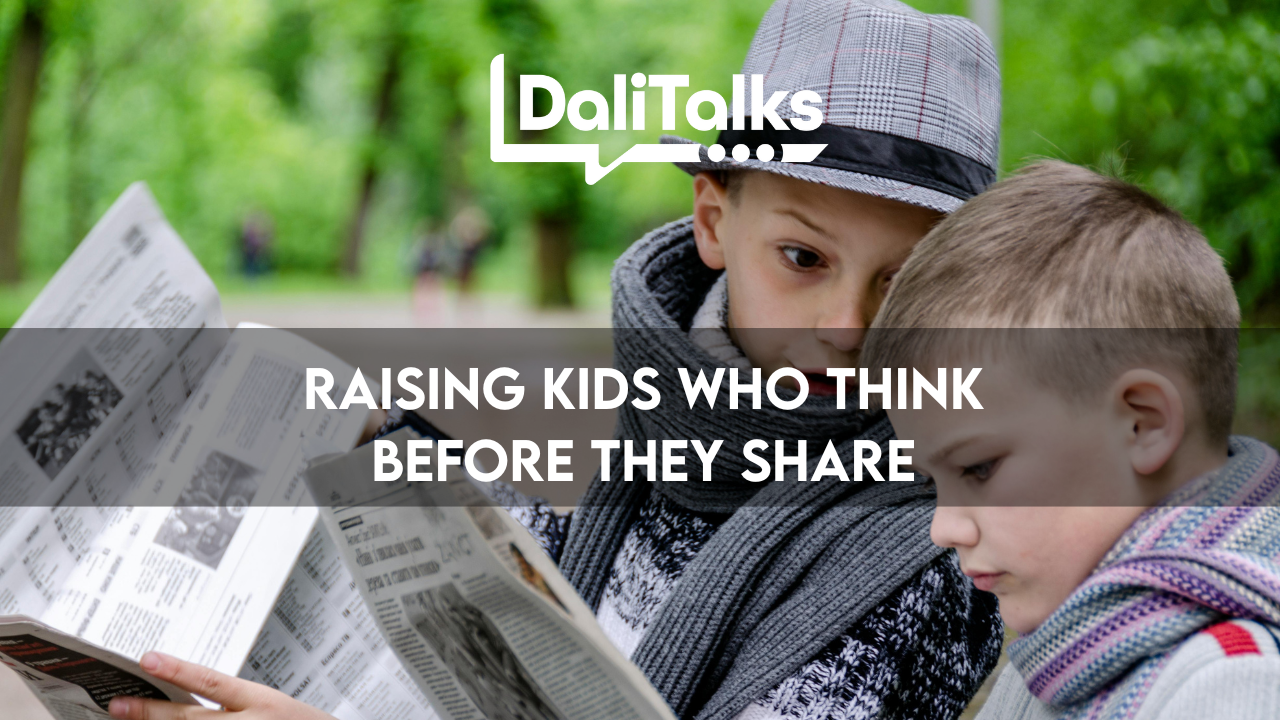
Bullying today isn’t limited to playgrounds or classrooms. It follows children online—through social media, group chats, and shared content. And often, misinformation and fake news are the catalysts.
A rumor, half-truth, or deliberately false story can escalate quickly, turning harmless misunderstandings into emotional harm and social exclusion. Kids who don’t pause to think critically before believing or sharing information may unknowingly participate in bullying.
Misinformation vs. Fake News
Understanding the difference is the first step in prevention:
Misinformation – False or inaccurate information shared unintentionally. For example, a child repeating a rumor they didn’t know was untrue.
Fake News – Deliberately false information designed to mislead, embarrass, or manipulate. For example, a fabricated story about a student circulated to isolate them or ruin their reputation.
Both types of content can fuel bullying and harm emotional well-being.
Why This Matters for Kids
Ch...
Do You Know How To Keep Your Child Safe Online?

There are so many controversies about kids and social media.
This is what people have said.
👉🏽👉🏽 Parents can get sued by social media platforms if their kids are caught on a platform they're not old enough to be on.
👉🏽👉🏽 Social media platforms are nothing but trouble for kids.
👉🏽👉🏽 Kids shouldn't be on social media.
👉🏽👉🏽 I don’t need to monitor my child’s devices. They’re responsible and know what to not do.
👉🏽👉🏽 As long as my child’s account is private, they’ll be ok.
But the thing is, most parents don't know enough about the dangers and safety measures they should implement to keep their kids safe online.
That’s why before you give your child a device that allows them to get on social media, YOU MUST educate yourself first.
To give you an idea about why you should seek out education about social media dangers, here are some stats.
According to the Pew Research Center studies, the main method that parents monitor their children’s use of the web is by limiting the ...
Are your kids already on social media?
When my kids were around 10 years old, they started asking for a smartphone. Specifically, for an iPhone.
They did what all kids do. They were consistent with asking.
My older daughter even wrote me a letter stating all of the reasons why she NEEDED to have one.
She made promises and tried to convince me that she would be the happiest child in the world if she had a phone.
I said NO.
My intent was to keep them off social media and overall off the internet as much and as long as possible. But, their schools kept gearing them to use online tools for them to do their homework and projects.
That frustrated me and it didn’t help me.
But I persisted and continued to educate myself in case I was being unreasonable.
As they got older they earned the privilege to use it. But, it was not without a lot of discussions and even a contract. That contract included an agreement about how to use it, what to report, and that they would be monitored.
But, you know what I’ve learned over...
6 Things to Consider Before Giving Your Child a Smartphone

My oldest child was born the same year the iPhone was first released. At the time, many people thought smartphones might be a passing trend.
Here we are years later, watching adults scroll through phones in grocery lines and restrooms, and raising children who have never known a world without smart devices.
That reality alone is worth pausing over.
Today’s kids are being introduced to technology earlier than ever. A 2017 survey by Common Sense Media found that by age 11, more than half of children had their own smartphone, and by age 12, nearly 70 percent did.
With that access comes exposure to information children are often not emotionally prepared to handle.
Early Exposure Comes With Real Risks
Many parents are surprised to learn that the average child in the United States is accidentally exposed to explicit content between the ages of seven and eight.
Add to that the fact that many children experience online bullying, social pressure, or unsafe interactions long before they k...
Understanding the Different Types of Cyberbullying
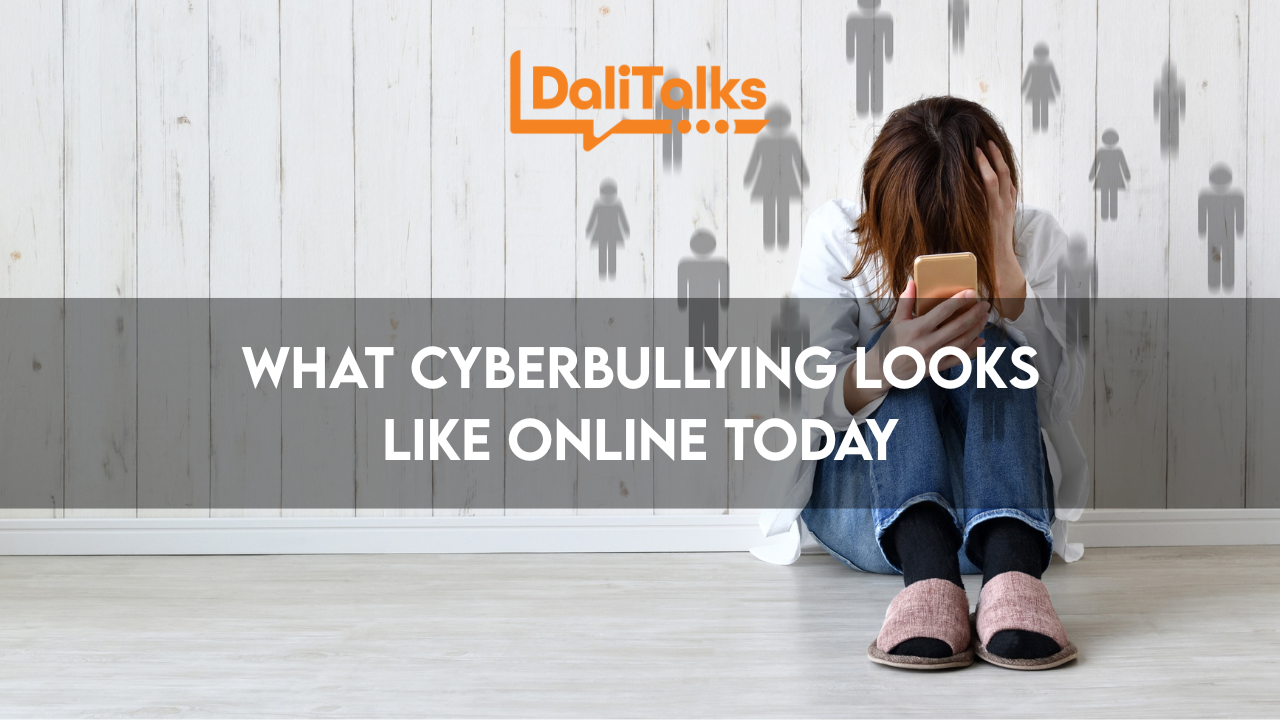
How much do you really know about cyberbullying?
The term “cyberbullying” first appeared in 1998 and refers to bullying that takes place online through digital platforms. In simple terms, cyberbullying is bullying that follows someone wherever they go, through phones, tablets, computers, and social media.
Unlike playground bullying, cyberbullying leaves digital footprints. Old posts, comments, and messages can resurface years later, which is why you may hear about celebrities or public figures being held accountable for harmful content shared early in the internet age.
As technology has evolved, cyberbullying has increased. Unfortunately, laws and protections have struggled to keep up.
The Issue: Why Cyberbullying Is Especially Dangerous
Cyberbullying is not just online teasing. It is repeated behavior intended to shame, humiliate, threaten, or emotionally harm someone.
It is complex, constantly evolving, and often difficult to regulate or define legally. In the United States and...
13 Social Media Etiquettes To Teach Your Child

Since many schools throughout the nation are returning to online learning, more kids will be tempted to navigate to their social media sites.
And, let's be honest, they're already spending more time than any parent would want online, right?
So, let’s talk about SOCIAL MEDIA ETIQUETTE.
If you’ve been following me for a while, you’ve already read or heard me talk about delaying the use of smart devices for kids until you can no longer hold back.
You’ve also read or heard me talk about things to consider agreeing on with your kids when YOU DO give them access to devices and the internet.
Now, let’s review a few details about online etiquette:
1️⃣ Never share or repost information that you have not confirmed. You can avoid arguments with friends and family if you follow this suggestion.
2️⃣ NEVER share or post mean comments, images, or videos about someone (even if they are notorious for being a bully)
3️⃣ Refrain from using ALL CAPS. Using all caps is a form of shouting onl...
