
What Every Parent Needs to Know About Their School's Bullying Prevention Policy
Your child's school has a bullying prevention policy, but if you have never read it, you are not alone, and that gap could be costing your child the protection they deserve.
Most parents show up to the school office ready to fight for their child without knowing the one tool that gives their words real power: the policy. When you know what is in that document, you stop being a worried parent in a waiting room and you become an informed advocate at the table. And there is a big difference between the two.
Here are five things every parent needs to know about their school's bullying prevention policy, and why knowing them changes everything.
-
How Your School Defines Bullying
Not every conflict between kids is bullying. Schools use a specific definition, and that definition matters more than you think.
Bullying typically involves three elements: repeated behavior, a power imbalance, and intentional harm. If what your child is experiencing meets that definition, it triggers a ...
The Power of Awareness: How We Can Stop Bullying Together
The Power of Awareness: How We Can Stop Bullying Together
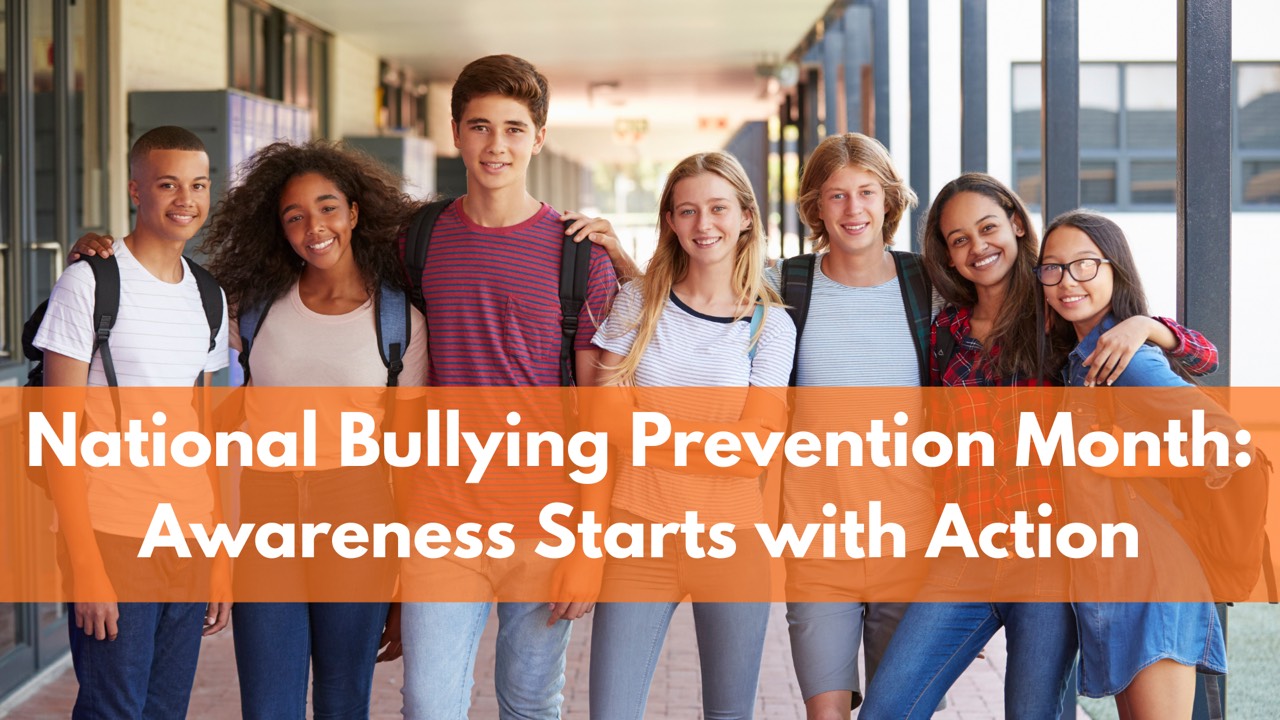
Every October, we are reminded that silence around bullying is never an option. National Bullying Prevention Month is not just about wearing orange or posting supportive messages online. It is a call to action to protect our children, strengthen our schools, and build the kind of communities where everyone belongs.
At DaliTalks, we use this month to amplify what we do year-round. We educate, equip, and empower parents and educators to take real steps that prevent bullying before it starts. Through workshops, blogs, and parent guides, we help families recognize the early signs of bullying and know exactly how to respond effectively.
When we raise awareness, we give people tools. That is the heart of prevention.
Why Awareness Alone Is Not Enough
Awareness is the first step, but real change comes from understanding how to take action. Many parents I meet want to protect their children but feel unsure where to begin. Some fear ...
Helping Kids Process World Events Without Fear or Anxiety
It’s been a heavy week, hasn’t it?
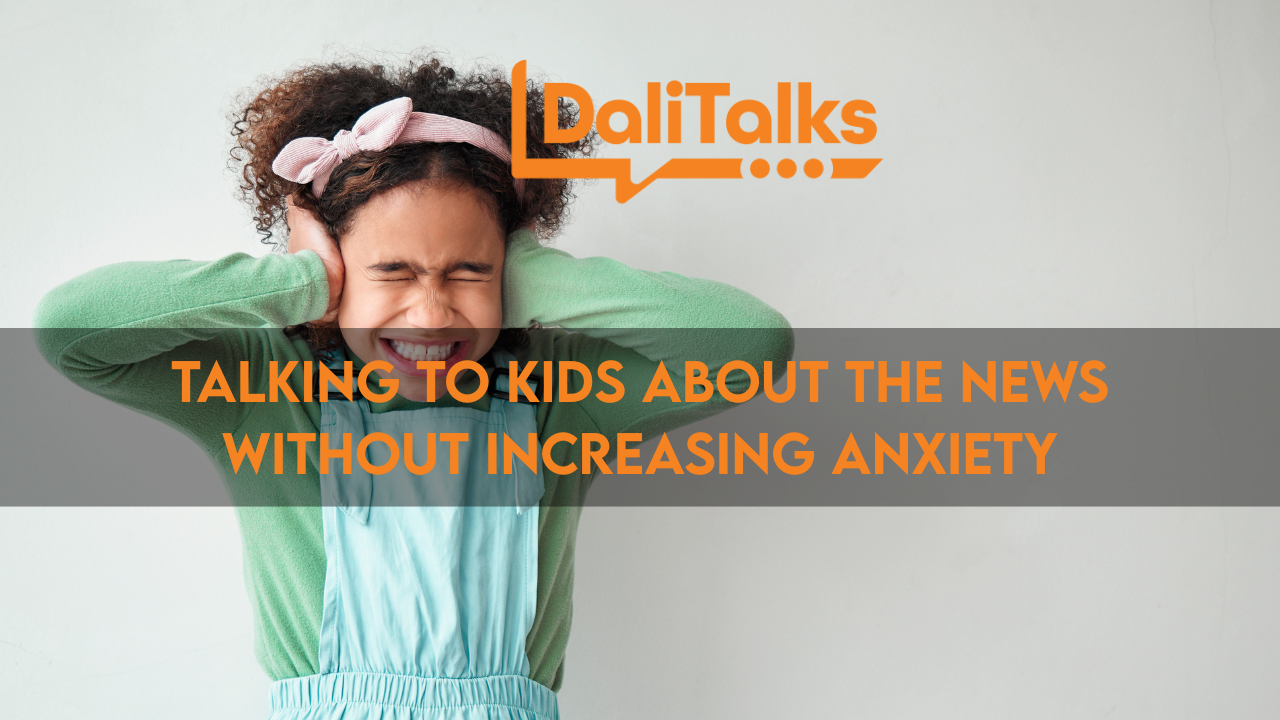
The news can be overwhelming for all of us. Recent events like the tragic shootings in Uvalde, Texas highlight how heavy the headlines can feel. Parents often feel the urge to protect their children by shielding them from the news. While this instinct comes from love, it’s important to remember: children are already aware of what’s happening, often through social media or conversations with peers.
Even when kids seem calm, they may carry fears and confusion. Checking in with them regularly helps ensure they feel safe, heard, and supported.
Why Talking About World Problems Matters
Children are naturally curious about the world. Ignoring difficult topics does not make them safer, it can lead to misinformation, heightened anxiety, and feelings of isolation.
When parents and guardians talk openly, they provide:
- Clarity – helping children separate fact from rumor
- Reassurance – showing that adults are actively thinking about safety
- Empowerment – ...
