
Survival Is Not Self-Love. Here Is What Is.
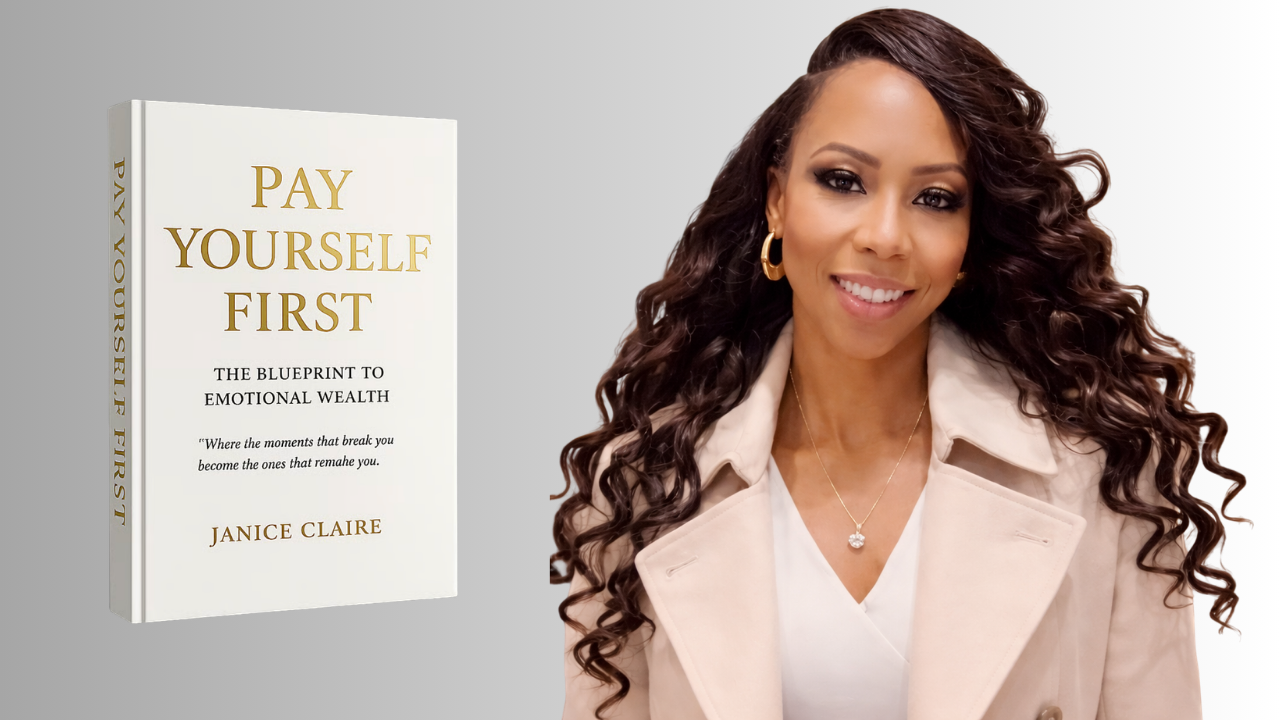
Most of us were never taught the difference between surviving and living. We were just taught to get through things. Be strong. Keep going. And when we made it out the other side, we called that love for ourselves.
Janice Claire DaCosta wants us to look at that more closely.
Janice is a global logistics leader, Mind-Shift Advocate, Reiki Master, TEDx Curator of TEDxMallardCreek, one of Influential Women's Most Influential Women of 2026, and the author of Pay Yourself First: The Blueprint to Emotional Wealth, a book that spent its first three weeks at number one on the bestseller list. She joined me on the DaliTalks Podcast this week for one of the most honest conversations I have ever had on this show.
And she said something I have not been able to stop thinking about since.
Survival is not self-love.
What That Actually Means
Janice describes her own pattern with the kind of honesty that only comes from having really done the work. She was resilient. She survived through experien...
What Every Parent of a Neurodivergent Child Needs to Know Before Their Next IEP Meeting

"Parents get met with friction. Sometimes it is their own friction, the stories they are telling themselves about how a meeting is going to go. And other times it is the school team. I act as that central point. I wrap my arms around the parents and the educators, because we are all there for the child." — Lisa Richer
Every parent I have spoken to who has a child with an IEP or a 504 plan has said some version of the same thing. They walked into the meeting wanting to advocate for their child and walked out feeling like they had failed them.
Not because they did not love their child enough. Not because they were not trying hard enough. But because nobody handed them a roadmap.
Lisa Richer, neurodivergent success partner, advocate, and founder of Journey to Bloom, joined the DaliTalks Podcast this week and gave us that roadmap.
What most parents do not know going in
There is a common misconception that teachers are trained to implement IEPs effectively across every learning dif...
Why Kids Who Bully Often Just Don't Know What They Are Feeling
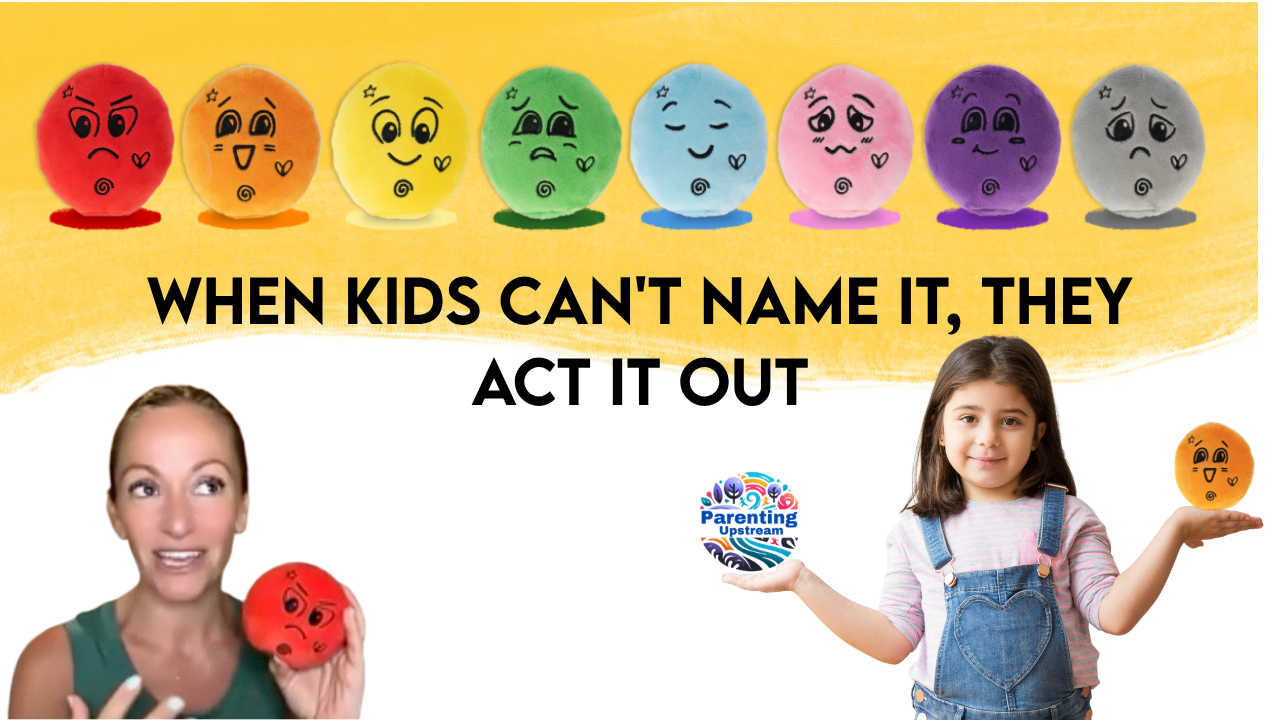
When a child bullies another child, our first instinct is often to focus on the behavior itself. The name-calling. The exclusion. The aggression. We want it stopped, and rightfully so.
But what if we asked a different question first? What if, before we addressed what the child did, we asked what the child was feeling and whether they even had the words to tell us?
Marcelle Waldman, certified teacher, founder of FeelLinks, and Teen Wise coach, joined the DaliTalks Podcast this week and said something that stopped me in my tracks. When kids cannot name what they are feeling, they act it out instead.
That one sentence reframes everything.
Emotional illiteracy and bullying
Bullying behaviors do not appear out of nowhere. They grow in environments where emotions go unnamed, unvalidated, and unprocessed. A child who has never been taught to identify frustration, fear, jealousy, or shame does not suddenly find healthy ways to express those feelings when they show up at full force on a Tu...
The Question That Built My Life's Work
I used to think my curiosity was a little excessive.
I know how the Baltimore Harbor Tunnel was built. I know how many times the Centaur upper stage of a rocket has flown. I know that BIPOC women are being sterilized against their will right now, often without informed consent. None of that is exactly small talk. But it's how my mind works, and it took me a while to understand why.
When I decided to start providing parents and caregivers with information about bullying and confidence building, I made a deliberate choice. I would speak to people the way I'd speak to a family member who needed to feel empowered, not the way a pamphlet talks to a stranger. That choice didn't come from a marketing strategy. It came from my own childhood.
As a kid, my mother needed resources that exist today but simply weren't available to her then. And as I grew into adulthood, I kept discovering information I'd never had access to growing up. Every single time, the same question showed up: why had no o...
What Attachment Styles Tell Us About Bullying

When we talk about bullying, we tend to focus on the behavior itself. The name-calling. The exclusion. The aggression on the playground or in the group chat. But if we really want to understand where bullying comes from, and how to stop it at the root, we have to be willing to look a little deeper.
Attachment theory gives us a powerful lens for doing exactly that.
Bev Mitelman, certified relationship and attachment trauma practitioner and founder of Securely Loved, joined the DaliTalks Podcast this week to walk us through the four attachment styles and how they form in early childhood. And what she shared has everything to do with why some kids become bullies, why others become targets, and why so many children who struggle socially are not acting out of malice but out of fear.
The connection between attachment and behavior at school
A child who grows up with an anxious attachment style has a core wound rooted in the fear of abandonment. They learned early that love and attention a...
He Grew Up in Abuse. Now He Feeds the World.
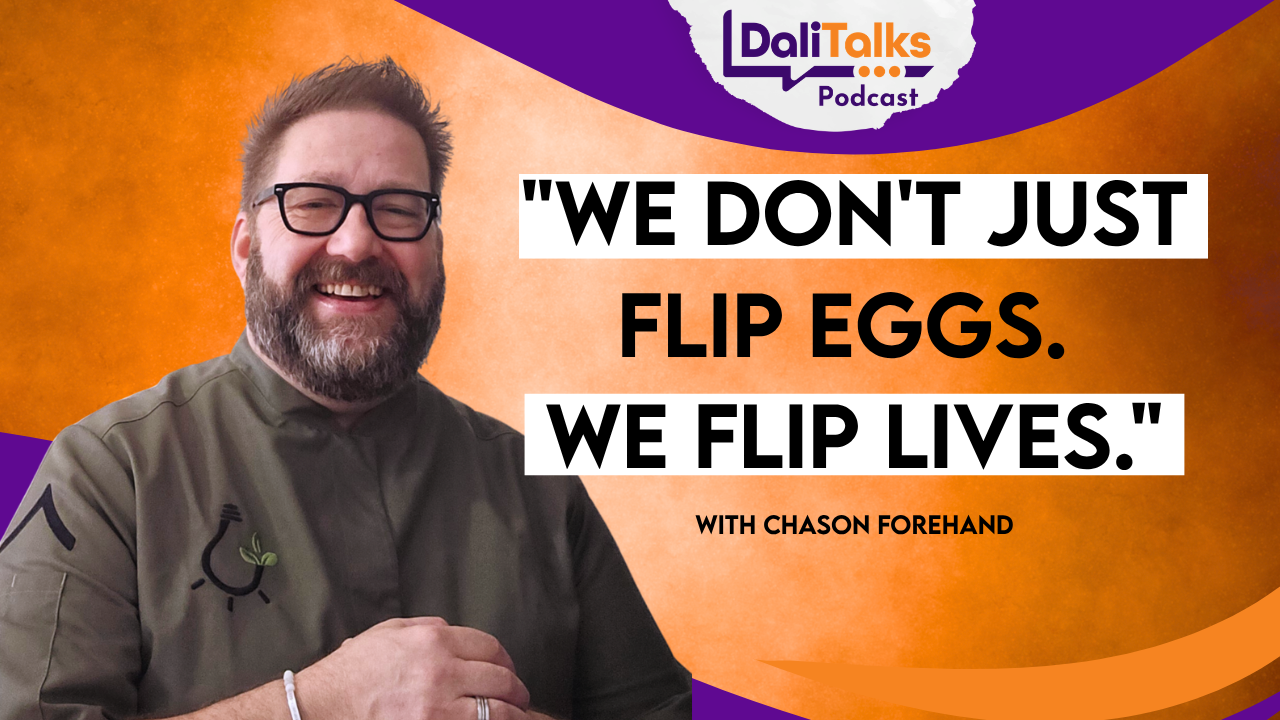
Some people survive a hard childhood and spend the rest of their life quietly grateful. Chason Forehand survived his and decided that was not enough.
Chason is the founder of HR-4U, Inc., a 501(c)(3) nonprofit based in New York's Hudson Valley. Through a program called Transformation Kitchen, he takes people who have been pushed to the margins and gives them culinary training, community, and a reason to believe their life is not over. The 12-week program does not just teach people how to cook. It wraps around them. Wellness checks. Family atmosphere. Support that does not disappear when the program ends.
What Chason built is impressive. What makes it worth talking about here, on a show rooted in conscious parenting and bullying prevention, is the story behind it.
Hurt People Hurt People. Healed People Change the World.
We talk about bullying as if it starts and ends on a school playground. It does not. Bullying is a cycle, and like most cycles, it traces back to pain that was never...
Kind vs. Nice: Why the Words We Choose Change Everything for Kids, Adults, and Leaders
One word can silence a child. Another can save them. And most of us have been using the wrong one our entire lives.
We teach kids to be nice. We reward them for being agreeable, quiet, and accommodating. We tell them nice is good. Nice is safe. Nice is what good people are. But what if nice is actually the problem?
There is a powerful and often overlooked difference between being kind and being nice, and once you see it, you cannot unsee it. This distinction matters for children navigating friendships. It matters for parents trying to raise confident kids. It matters for educators managing classroom dynamics. And it matters deeply for leaders who want to build cultures where people feel safe enough to tell the truth.
Nice Keeps You Quiet. Kindness Gives You a Voice.
Niceness is rooted in approval. A nice person says yes because they are afraid of what happens if they say no. They smile through discomfort. They shrink to keep the peace. They prioritize how others feel about them ove...
What Every Parent Needs to Know About Their School's Bullying Prevention Policy
Your child's school has a bullying prevention policy, but if you have never read it, you are not alone, and that gap could be costing your child the protection they deserve.
Most parents show up to the school office ready to fight for their child without knowing the one tool that gives their words real power: the policy. When you know what is in that document, you stop being a worried parent in a waiting room and you become an informed advocate at the table. And there is a big difference between the two.
Here are five things every parent needs to know about their school's bullying prevention policy, and why knowing them changes everything.
-
How Your School Defines Bullying
Not every conflict between kids is bullying. Schools use a specific definition, and that definition matters more than you think.
Bullying typically involves three elements: repeated behavior, a power imbalance, and intentional harm. If what your child is experiencing meets that definition, it triggers a ...
Why I Founded DaliTalks: Empowering Parents to Protect Their Children from Bullying
There was a moment that changed everything for me.
I was working with parents and I kept noticing the same painful gap. These were loving, determined parents who wanted to protect their children. They were showing up, asking questions, and doing everything they thought they were supposed to do. But when it came to using their school's own bullying prevention policy as a tool for advocacy, they had no idea it was even an option.
That gap between what parents deserved to know and what they actually knew lit a fire in me. And DaliTalks LLC was born.
Parents Are Showing Up. The System Is Letting Them Down.
Too many parents feel unheard when they try to advocate for their child. They lie awake at night wondering whether their child will be safe if a bully targets them. They don't need a research study to tell them that bullying leaves lasting marks on mental health. They've lived it. They've watched their children carry wounds that didn't fade.
The frustration isn't a lack of love or e...
Why Better Communication Starts With Exact Words

In 2024, I had a conversation with a friend that completely shifted how I communicate, not just with my kids, but with everyone.
We were talking about why so many people struggle to compromise, collaborate, or even get along. His answer was simple, and honestly, uncomfortable in the best way.
He explained that he was taught as a child to be very intentional with his words. The goal was to eliminate miscommunication as much as possible. The problem is that most people are never taught this skill. Some of us learn it later in life out of necessity, and many never learn it at all.
He pointed out something that stuck with me. Most people use words that do not actually express what they mean.
Shortly after that conversation, I heard a life coach say something that connected all the dots for me. People often listen to debate, not to understand.
That sentence alone explained years of communication challenges I had experienced in personal and professional relationships.
Once I became awa...
