When Bad Bunny Made Us Feel Seen: A Love Letter to Latino Identity
Bad Bunny's halftime performance wasn't just entertainment - it was a profound celebration of Latino identity that left many of us in tears. For those who may have missed the deeper meanings woven throughout, let me share why this performance meant so much to our community and what each beautiful symbol represented.
A Personal Journey of Belonging
To hear the names of countries like Nicaragua and the United States celebrated together on such a massive stage was breathtaking and unforgettable. As someone who immigrated to the U.S. at age seven, I've always carried this bittersweet feeling of belonging and yet not fully belonging to either of my countries. This performance reminded me that perhaps messages like these can unite us all across the American continent - not just within U.S. borders.
Growing up, I was bullied for what some called my "indigenous features." The painful irony? It wasn't non-Latinos who shamed me - it was other Latinos who called me "India" as though it were an insult. This is colonialism's lasting wound: the belief that we should strive for Eurocentric features and erase our indigenous heritage. Bad Bunny's performance was a direct rejection of that shame.
The Artist Behind the Message
What makes Benito's music so special is that he doesn't just use it to tell the history of Puerto Rico - he is genuinely talented and diverse in music itself. His ability to seamlessly blend genres sets him apart. From plena and dembow to salsa, reggaeton, Latin trap, hip-hop, pop, rock, soul, and bachata, he moves between musical styles with mastery and authenticity. This versatility isn't just about showing range; it's about honoring the full spectrum of Latino musical heritage and creating something entirely his own.
The Opening: Honoring the Jíbaros
Bad Bunny opened with powerful imagery featuring the Jíbaros - country people and field workers - wearing pavas (traditional straw hats) among the sugar canes. This was a deliberate homage to the hardworking people who were forced through slavery to work these fields during colonization and to the proud Jíbaros who keep Puerto Rico's landscapes alive today.
Our Names Carry Our History
When his full government name - Benito Antonio Martínez Ocasio - appeared on screen, it wasn't random. We're often ridiculed for our multiple names and how they sound. Our names carry the history and pride of who we are, yet we've become so accommodating that we anglicize them for others' convenience.
It's common for us to cater to non-Spanish speakers because they're unwilling or too embarrassed to pronounce our names correctly, even while they laugh at our accents. Those accents are badges of honor that say, "I was dedicated and disciplined enough to learn YOUR language." For years now, I've said my own name as it should be said, following with the English pronunciation only when I see bewildered looks.
Our conforming behavior has led others to assume we accept having our names erased through unwanted nicknames or requests to call us something else for everyone's convenience - except our own.
Symbols of Strength and Resilience
As Benito walked through the sugar cane field, he looked directly at the camera and said he was there because he believed in himself, encouraging everyone to believe in themselves too. He held a football printed with "Together we are America." He wore number 64 as a tribute to his uncle Cutito, who was born that year and taught him about football. Benito always dreamed of taking his tío to a game, but he passed away before that could happen.
Throughout the performance, countless symbols spoke to Latino experiences:
The Domino Players: Older men playing dominoes, a beloved game in Puerto Rico and throughout Latin America.
Women on Cinder Blocks: They signified the strength of Puerto Rican people who constantly rebuild after natural disasters without adequate help from the U.S. government. The women rebuilding and holding up the wall represent how women are the strength of the community.
The Piraguas: The shaved ice dessert is a staple throughout Latin America - a humble yet beloved taste of happiness that provides childhood nostalgia. Originally made with tropical fruits like tamarind, pineapple, and cherries.
The Taco Stand: Though tacos are Mexican, Bad Bunny is a fan and featured Victor Villa, owner of Los Angeles-based Villa's Tacos. This showcased Latino entrepreneurship and collaboration across our diverse cultures.
The Nail Salon: Women getting their nails done represented how Latinas find time for creative self-expression despite constant responsibilities. Puerto Rican women hold everything together while looking good doing it.
Tonita's Rum Shot: Tonita owns the Caribbean Social Club in Brooklyn and is deeply loved by her community. Despite pressure and threats, she refuses to sell her business because it prevents gentrification and provides essential community space for Puerto Ricans and other Latinos.
Coconuts: A representation of water and life itself. Coconuts have sustained Jíbaros during hard labor and water shortages caused by natural disasters.
The Sleeping Child: A little girl sleeping on chairs - a common sight at Latin American celebrations that extend into the late night or next day because we prioritize joy and togetherness.
La Casita: Home and Heritage
The brightly painted "casita" (little house) on the football field represented our vibrant homes in Latin America. Life is celebrated daily, and we love to dress our homes in color and dance - even while cleaning. It may take us longer to finish chores, but we have fun doing them.
Dancing on the casita's porch were remarkable figures: Karol G (the first Latina artist to sell out stadiums during her record-breaking tour), Cardi B (the first female artist to win Best Rap Album at the Grammys), Pedro Pascal (who fled Chile as a refugee and found breakthrough success in Game of Thrones, The Mandalorian, and The Last of Us), Jessica Alba, Young Miko, professional boxers Emiliano Vargas and Xander Zayas, influencer Alix Earle, entrepreneur Dave Grutman, and MLB player Ronald Acuña Jr. All were selected to showcase that success exists in diversity.
Symbols of Colonial Struggle
The Electricity Poles: These represented the privatization of power grids and constant power outages that limit quality of life on the island - another area where Puerto Rico struggles without adequate U.S. support despite being a territory.
Lady Gaga's Performance: A personal choice since Bad Bunny is a huge fan, but also a representation of inclusivity. Notably, she was the only performer who sang in English.
Ricky Martin's Sang: He sang part of Bad Bunny’s song "Lo Que Le Pasó a Hawaii" (What Happened to Hawaii), warning Puerto Ricans about the risk of losing their island to gentrification and encouraging resistance against colonialism.
Celebrating Our Diversity
The performance celebrated all shades of Latinos and Latinas, our body movements (often criticized as hypersexualized or too loud), and our natural beauty. Three women of different skin tones danced with their natural hair - an intentional choice to celebrate diversity within Latino communities and embrace unapologetic natural hair textures.
The Flag That Was Forbidden
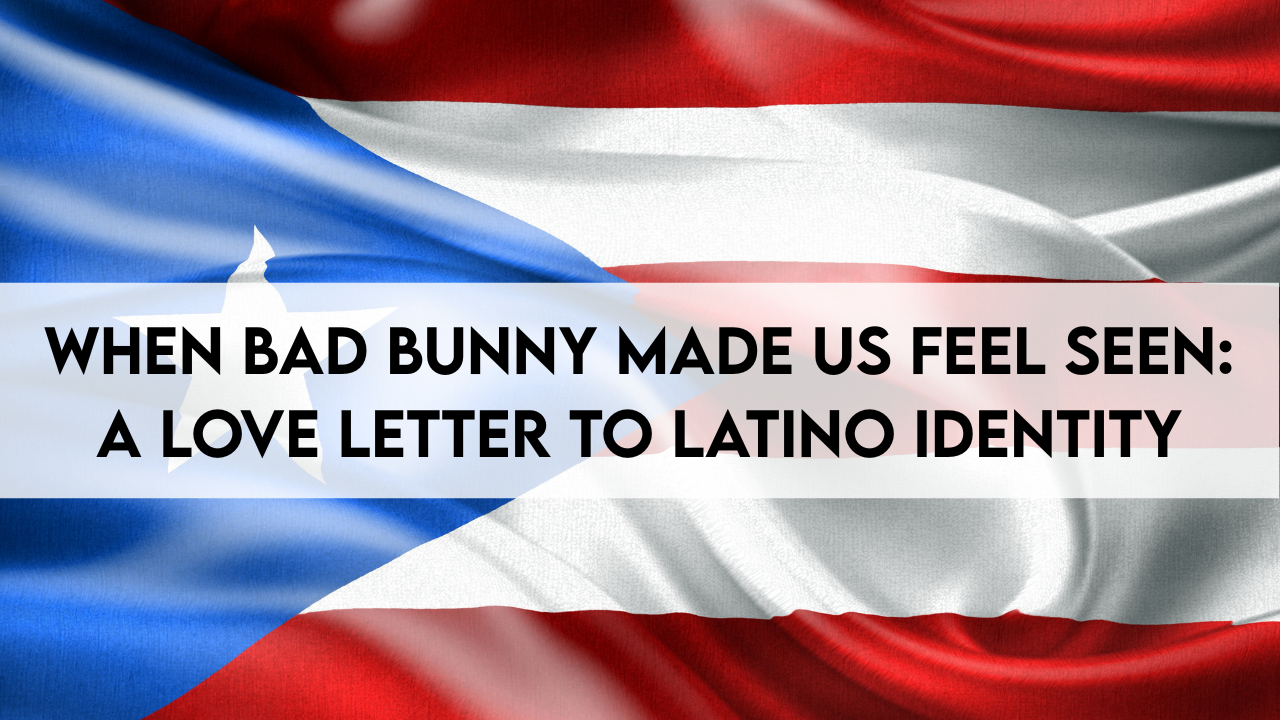
The original Puerto Rican flag made a powerful appearance. Through the Puerto Rico "Gag Law" of 1948, displaying this flag was illegal - a felony. This is why Puerto Ricans love flying their flag with such passion and pride. The U.S. government forced the light blue in the original flag to become dark blue to match the U.S. flag - a symbol of forced assimilation and colonial control.
We Are All Americans
Finally, Bad Bunny mentioned countries from South to North of the continent, educating viewers that people living in the U.S. aren't the only Americans. Everyone on the continent is American.
The little boy in the performance represented Benito as a child but also carried a message of hope to all Latino children, especially those in detention centers. And throughout it all ran the powerful message that love is stronger than hate.
An Invitation to See Us
I loved every bit of this performance. Now that you understand these symbols and messages, I invite you to watch it again with new eyes. See us - really see us - in all our complexity, resilience, pride, and love. This is who we are, and we're not asking permission to exist anymore. We're celebrating ourselves, and we're inviting you to celebrate with us. Lastly, we invite you to stand up with us.
