
Survival Is Not Self-Love. Here Is What Is.
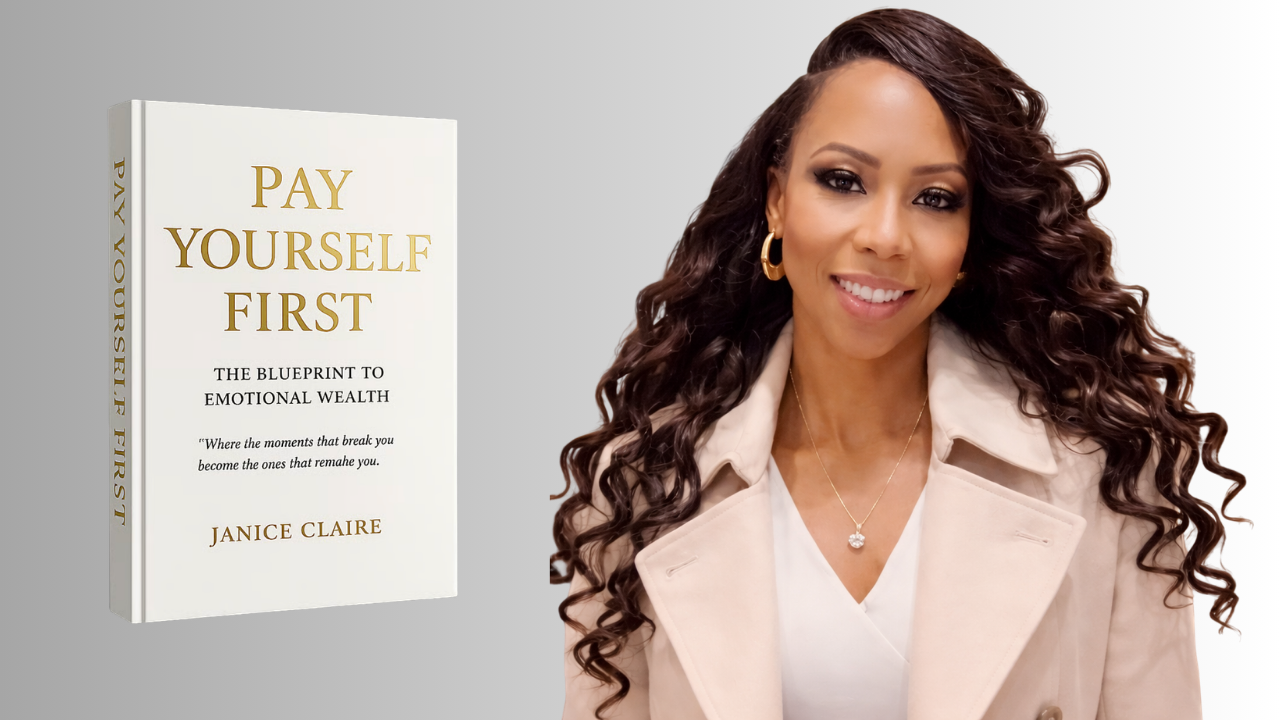
Most of us were never taught the difference between surviving and living. We were just taught to get through things. Be strong. Keep going. And when we made it out the other side, we called that love for ourselves.
Janice Claire DaCosta wants us to look at that more closely.
Janice is a global logistics leader, Mind-Shift Advocate, Reiki Master, TEDx Curator of TEDxMallardCreek, one of Influential Women's Most Influential Women of 2026, and the author of Pay Yourself First: The Blueprint to Emotional Wealth, a book that spent its first three weeks at number one on the bestseller list. She joined me on the DaliTalks Podcast this week for one of the most honest conversations I have ever had on this show.
And she said something I have not been able to stop thinking about since.
Survival is not self-love.
What That Actually Means
Janice describes her own pattern with the kind of honesty that only comes from having really done the work. She was resilient. She survived through experien...
What Every Parent of a Neurodivergent Child Needs to Know Before Their Next IEP Meeting

"Parents get met with friction. Sometimes it is their own friction, the stories they are telling themselves about how a meeting is going to go. And other times it is the school team. I act as that central point. I wrap my arms around the parents and the educators, because we are all there for the child." — Lisa Richer
Every parent I have spoken to who has a child with an IEP or a 504 plan has said some version of the same thing. They walked into the meeting wanting to advocate for their child and walked out feeling like they had failed them.
Not because they did not love their child enough. Not because they were not trying hard enough. But because nobody handed them a roadmap.
Lisa Richer, neurodivergent success partner, advocate, and founder of Journey to Bloom, joined the DaliTalks Podcast this week and gave us that roadmap.
What most parents do not know going in
There is a common misconception that teachers are trained to implement IEPs effectively across every learning dif...
What You Wear Affects How You Feel, and That Matters More Than You Think
There is a connection between what we wear and how we feel that most of us understand intuitively but rarely talk about out loud. When we feel put together, we show up differently. We stand a little straighter. We walk into a room with a little more certainty. We feel ready.
And when we do not feel that way, it shows too.
Bridget Blacksten, Los Angeles based celebrity and personal stylist and founder of Studio Bee, joined the DaliTalks Podcast this week and made something I have always found intimidating feel completely within reach. She broke down the wardrobe essentials every woman and man should own, shared which stores give you quality without the markup, and explained exactly what to look for on a clothing label before you spend a single dollar.
But what stayed with me most was something she said at the very end. People should have fun getting dressed every day.
That hit differently than I expected.
Why what we wear matters beyond fashion
In bullying prevention work, one of ...
Why Kids Who Bully Often Just Don't Know What They Are Feeling
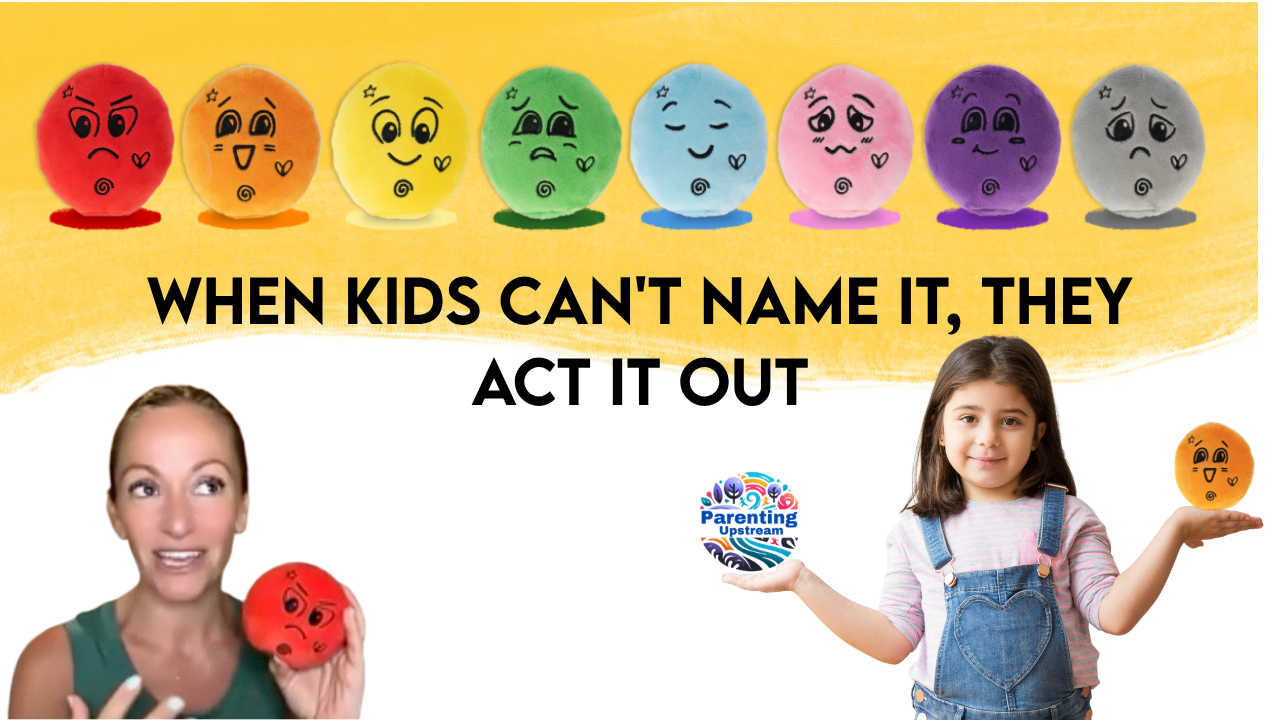
When a child bullies another child, our first instinct is often to focus on the behavior itself. The name-calling. The exclusion. The aggression. We want it stopped, and rightfully so.
But what if we asked a different question first? What if, before we addressed what the child did, we asked what the child was feeling and whether they even had the words to tell us?
Marcelle Waldman, certified teacher, founder of FeelLinks, and Teen Wise coach, joined the DaliTalks Podcast this week and said something that stopped me in my tracks. When kids cannot name what they are feeling, they act it out instead.
That one sentence reframes everything.
Emotional illiteracy and bullying
Bullying behaviors do not appear out of nowhere. They grow in environments where emotions go unnamed, unvalidated, and unprocessed. A child who has never been taught to identify frustration, fear, jealousy, or shame does not suddenly find healthy ways to express those feelings when they show up at full force on a Tu...
What Attachment Styles Tell Us About Bullying

When we talk about bullying, we tend to focus on the behavior itself. The name-calling. The exclusion. The aggression on the playground or in the group chat. But if we really want to understand where bullying comes from, and how to stop it at the root, we have to be willing to look a little deeper.
Attachment theory gives us a powerful lens for doing exactly that.
Bev Mitelman, certified relationship and attachment trauma practitioner and founder of Securely Loved, joined the DaliTalks Podcast this week to walk us through the four attachment styles and how they form in early childhood. And what she shared has everything to do with why some kids become bullies, why others become targets, and why so many children who struggle socially are not acting out of malice but out of fear.
The connection between attachment and behavior at school
A child who grows up with an anxious attachment style has a core wound rooted in the fear of abandonment. They learned early that love and attention a...
He Grew Up in Abuse. Now He Feeds the World.
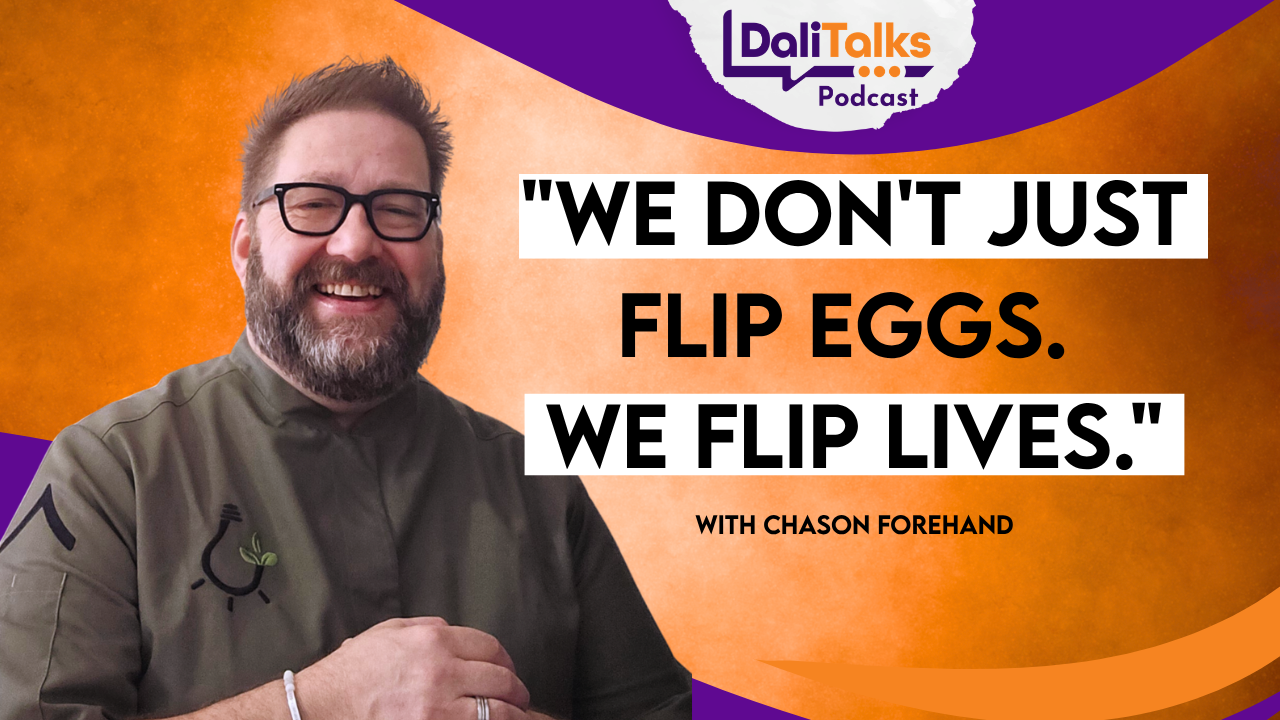
Some people survive a hard childhood and spend the rest of their life quietly grateful. Chason Forehand survived his and decided that was not enough.
Chason is the founder of HR-4U, Inc., a 501(c)(3) nonprofit based in New York's Hudson Valley. Through a program called Transformation Kitchen, he takes people who have been pushed to the margins and gives them culinary training, community, and a reason to believe their life is not over. The 12-week program does not just teach people how to cook. It wraps around them. Wellness checks. Family atmosphere. Support that does not disappear when the program ends.
What Chason built is impressive. What makes it worth talking about here, on a show rooted in conscious parenting and bullying prevention, is the story behind it.
Hurt People Hurt People. Healed People Change the World.
We talk about bullying as if it starts and ends on a school playground. It does not. Bullying is a cycle, and like most cycles, it traces back to pain that was never...
When Women Stop Shrinking and Start Speaking Up

There is a version of bullying that does not happen on a playground. It happens in meeting rooms, on performance reviews, and in the quiet moment after you raise your hand and watch the room decide how to receive you.
For millions of women in the workforce, especially Black women and women of color, this experience is not an exception. It is a pattern. And it carries real consequences, not just professionally, but in the relationship a woman has with her own voice.
This week on the DaliTalks Podcast, I sat down with London Reid, transformational coach and founder of Her Law of Growth, and she described something that stopped me in my tracks. She was sitting in her director's office. She was four months pregnant. She had just returned from losing her father. She was in tears. And she was being told that agreeing to cooperate with her supervisor was somehow combative.
That moment is not unusual. That is the problem.
What Workplace Bullying Actually Looks Like for Women
Most anti-bul...
The One Skill Nobody Taught Us That Changes Everything
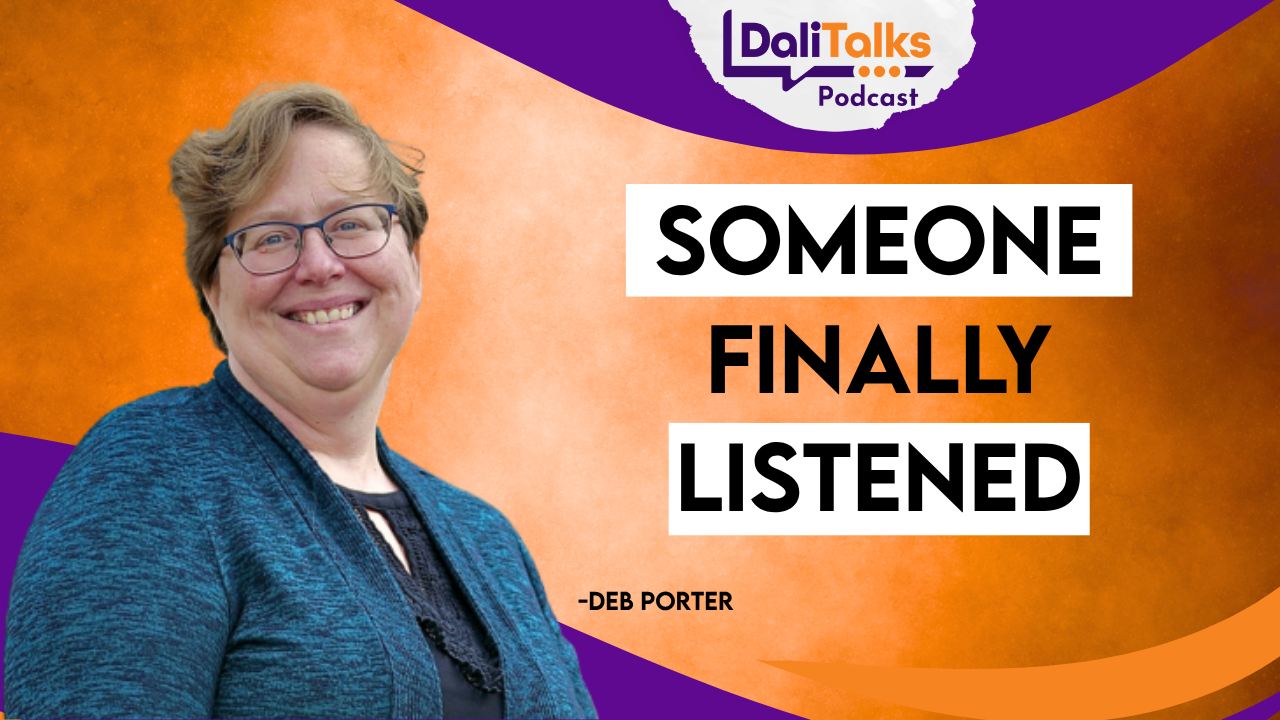
The One Skill Nobody Taught Us (That Changes Everything)
Most of us grew up learning how to speak. How to argue. How to present. How to debate.
Nobody taught us how to listen.
And that gap, quiet as it is, costs us more than we realize. In our relationships. In our parenting. In our workplaces. In the moments that matter most.
I sat down recently with Deb Porter, founder of Hold Hearing Out Life Drama and a professional listener, and what she shared stayed with me long after we stopped recording.
Listening Is a Profession. And There's a Reason for That.
Deb did not set out to become a professional listener. She studied divinity, worked at a funeral home, and one ordinary afternoon while folding towels, a thought landed: what if it's just about listening?
She built an entire business from that moment.
Not therapy. Not coaching. Listening.
The distinction matters. There is a massive group of people, and you probably know some of them, who are not in crisis. They are not looking ...
Women Changed the World. It Is Time We Started Acting Like It.
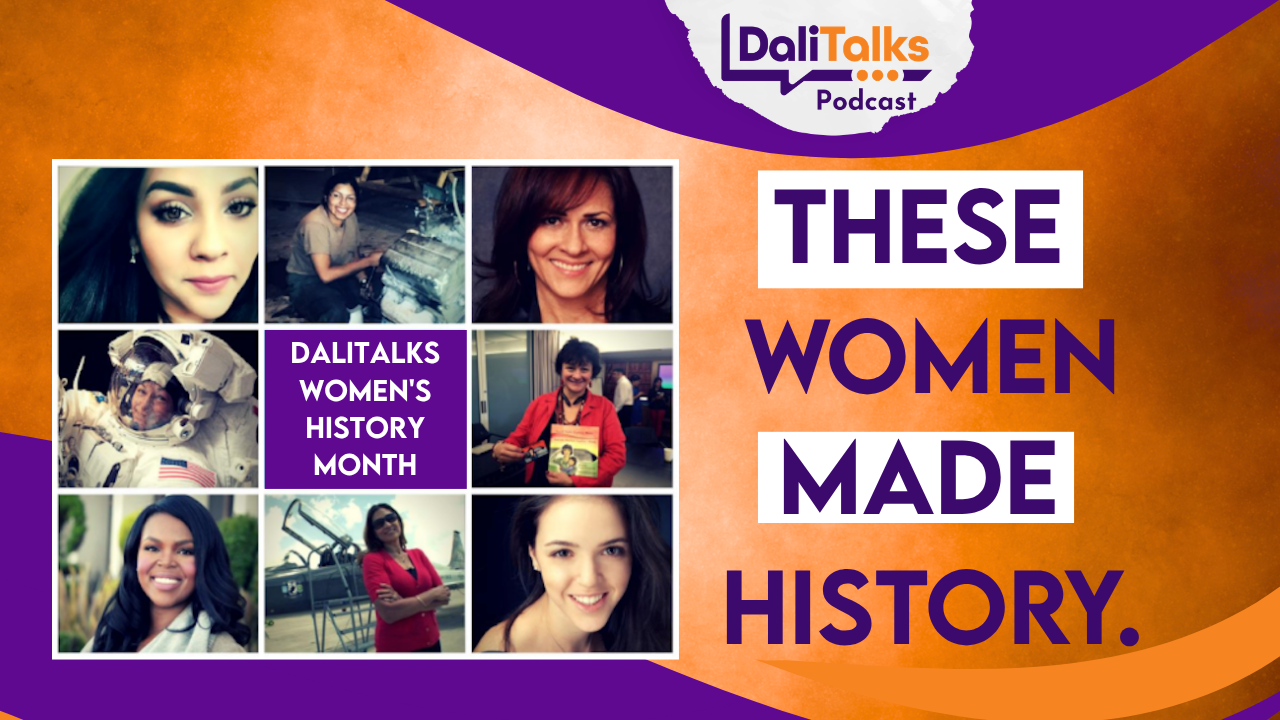
Okay, friend. Pull up a chair. I need to talk to you about something.
Every March, we celebrate Women's History Month. We post the quotes, share the throwback photos, maybe catch a documentary or two. And then April rolls around and we move on.
But here is what keeps me up at night: the women who changed this world never stopped being relevant just because the calendar flipped. Their stories are not a once-a-year moment. They are a daily reminder of what is possible when we stop deciding in advance who gets to dream big.
And right now? We still have a lot of deciding to undo.
These Women Existed. The World Just Did Not Amplify Them.
When I was writing my 2017 book "Embracing Differences: 21st Century Women Debunking Stereotypes," I kept running into the same gut punch over and over again. Women who had done absolutely extraordinary things, quietly, without the fanfare that their male counterparts received for doing far less.
Olga Custodio became the first Latina to complete U.S. ...
She Almost Lost Her Marriage. Then Built a Movement That Helps Families Reconnect.
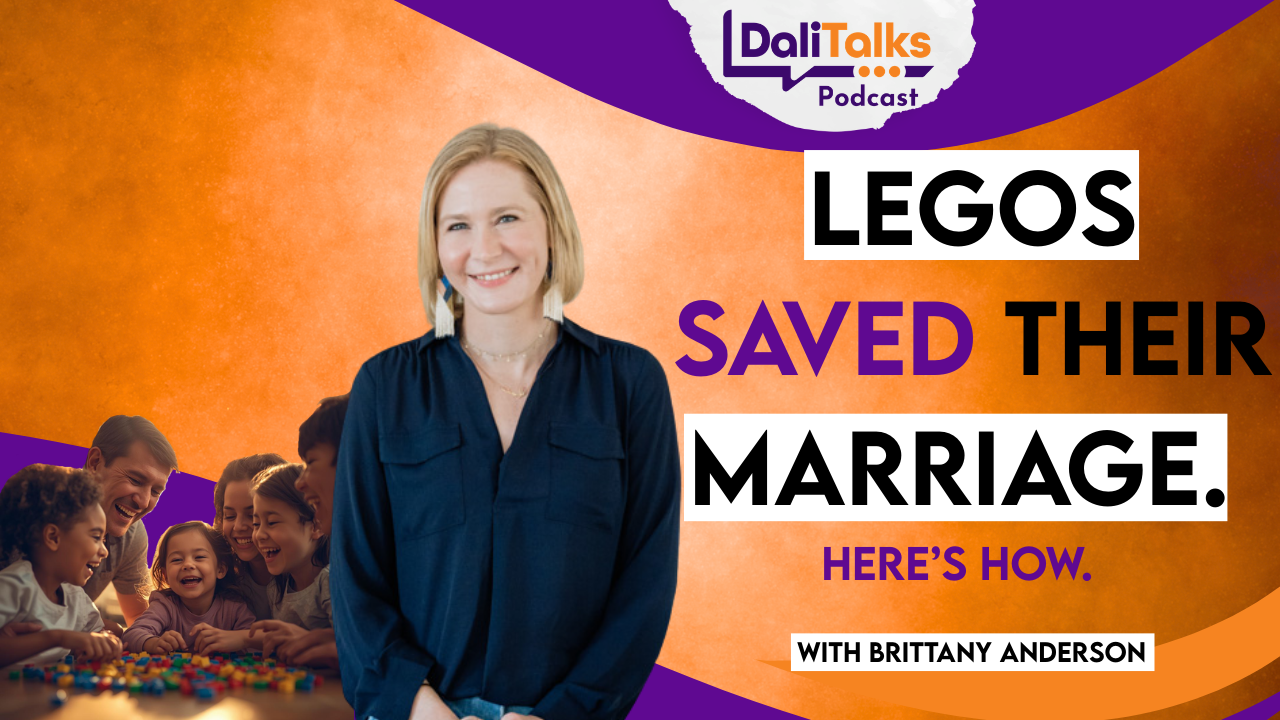
Her husband was flying Air Force One. She was drowning.
From the outside, Brittany Anderson's life looked like something worth celebrating. Accomplished husband. Growing career. Kids. A life most people would envy.
But behind closed doors, she and her husband were barely speaking. They were going through the motions as parents and living as strangers as partners. In 2019, they were weeks away from ending their marriage.
What saved them was not what anyone expected. It was not a weekend retreat or a heart-to-heart on the couch. It was play. Specifically, building things with their hands, disrupting the stories they had been telling themselves, and choosing to build a shared vision for their family instead of walking away from it.
That decision did not just save their marriage. It became a movement.
Today Brittany is the founder of Renala Families and the author of Living Room Leadership. She joined Dali on the DaliTalks Podcast for one of the most honest and hopeful conversations t...
