
Why Kids Who Bully Often Just Don't Know What They Are Feeling
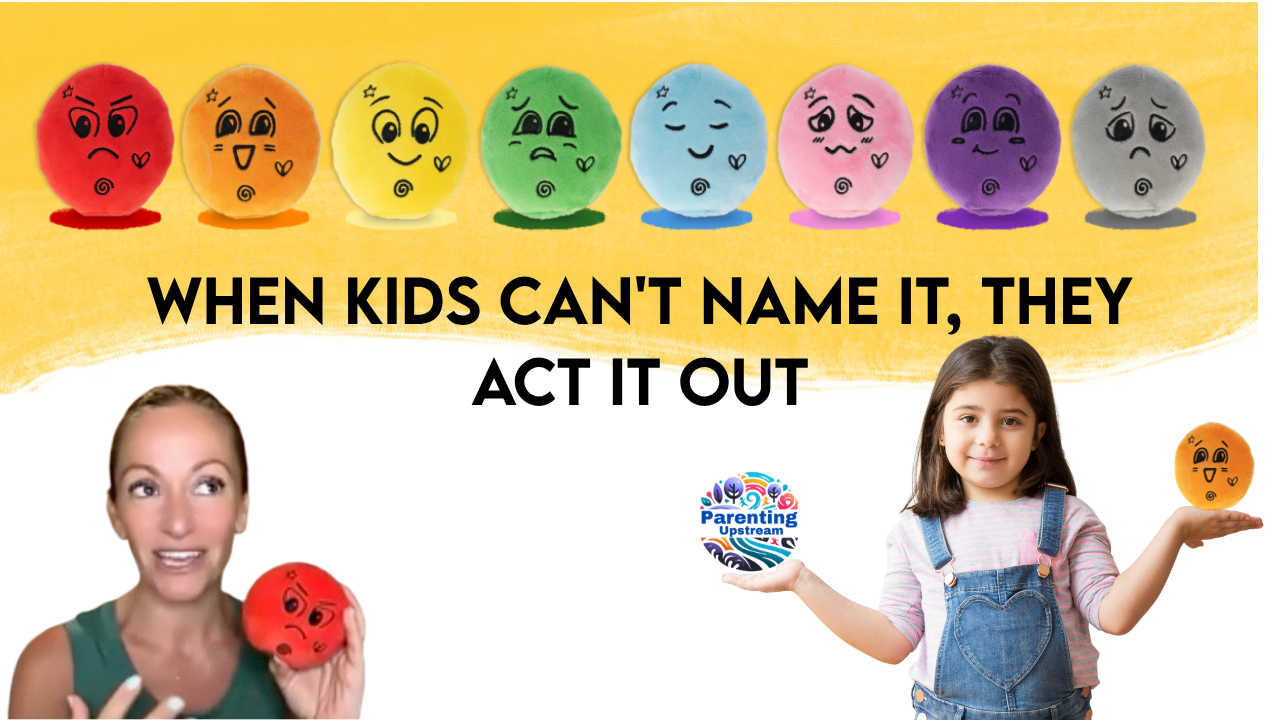
When a child bullies another child, our first instinct is often to focus on the behavior itself. The name-calling. The exclusion. The aggression. We want it stopped, and rightfully so.
But what if we asked a different question first? What if, before we addressed what the child did, we asked what the child was feeling and whether they even had the words to tell us?
Marcelle Waldman, certified teacher, founder of FeelLinks, and Teen Wise coach, joined the DaliTalks Podcast this week and said something that stopped me in my tracks. When kids cannot name what they are feeling, they act it out instead.
That one sentence reframes everything.
Emotional illiteracy and bullying
Bullying behaviors do not appear out of nowhere. They grow in environments where emotions go unnamed, unvalidated, and unprocessed. A child who has never been taught to identify frustration, fear, jealousy, or shame does not suddenly find healthy ways to express those feelings when they show up at full force on a Tuesday afternoon at school.
Instead, they do what every human does when they are overwhelmed and without tools. They externalize. They lash out. They control. They exclude. And from the outside, it looks like cruelty. But underneath, it is often just a child who is drowning in something they cannot name.
This is not an excuse for bullying. It is an explanation that opens the door to something better than punishment: teaching.
What emotional intelligence actually looks like
Marcelle spent over ten years teaching kindergarten before leaving the classroom to create FeelLinks, a line of social-emotional learning tools that help children build emotional vocabulary from as early as infancy. Her emotion dolls, each double-sided to represent eight core feelings, give children a concrete, tactile way to identify what is happening inside them. Each doll has touch points at the head, heart, and belly, because self-awareness starts with noticing what the body is doing when an emotion arrives.
The more emotional vocabulary I have, the greater I understand myself, and the greater I understand the people around me." — Marcelle Waldman
The goal is not to eliminate difficult emotions. It is to give children enough language to say what they feel before they act it out on someone else.
As Marcelle said in our conversation, "The more emotional vocabulary I have, the greater I understand myself, and the greater I understand the people around me."
That is the foundation of empathy. And empathy is the single greatest antidote to bullying we have.
What parents can do starting today
You do not need a curriculum or a special tool to start this work, though both help. What you need most is the willingness to model it yourself.
When you feel frustrated, say so out loud. Tell your child what you are doing with that frustration. Take a breath. Take a walk around the room. Come back. Show them that big feelings are survivable and manageable, not something to hide or explode.
Ask your child what they are feeling, not just what happened. Help them find the word. Offer options. Was it angry or embarrassed? Scared or nervous? The vocabulary grows over time, but only if someone is in there building it with them.
And when your child comes home talking about a kid at school who is acting out, resist the urge to immediately label that child as the bad kid. Ask your own child what they think that kid might be feeling. That question plants a seed of empathy that can change the entire dynamic.
You are not alone in this
Parenting is hard. Most of us were not taught any of this growing up. We are learning it right alongside our kids, and that is okay.
The important thing is that we keep learning and keep showing up.
Listen to the full conversation with Marcelle Waldman on Episode 120 of the DaliTalks Podcast and explore her resources at myfeellinks.com, teen-wise.com, and parentingupstream.com.
Listen or watch here:
YouTube
Spotify
Apple Podcasts
You can also click the link in my bio to tune in.
