
Why Kids Who Bully Often Just Don't Know What They Are Feeling
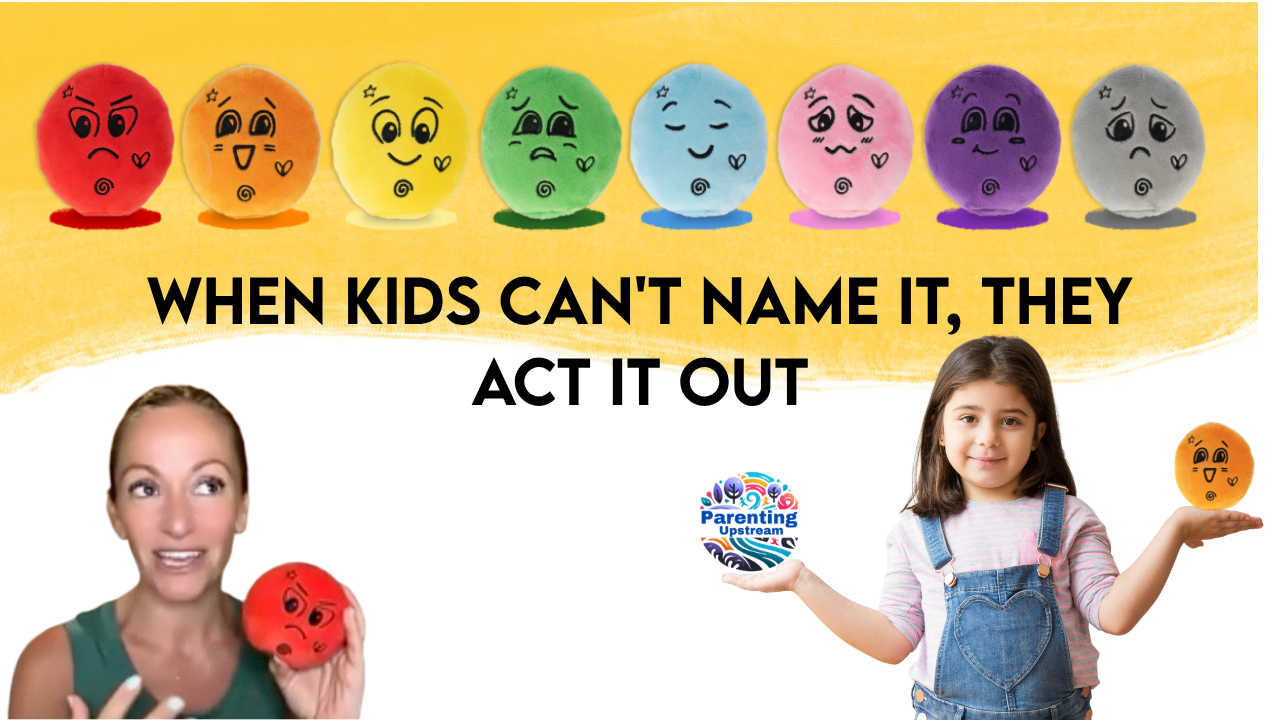
When a child bullies another child, our first instinct is often to focus on the behavior itself. The name-calling. The exclusion. The aggression. We want it stopped, and rightfully so.
But what if we asked a different question first? What if, before we addressed what the child did, we asked what the child was feeling and whether they even had the words to tell us?
Marcelle Waldman, certified teacher, founder of FeelLinks, and Teen Wise coach, joined the DaliTalks Podcast this week and said something that stopped me in my tracks. When kids cannot name what they are feeling, they act it out instead.
That one sentence reframes everything.
Emotional illiteracy and bullying
Bullying behaviors do not appear out of nowhere. They grow in environments where emotions go unnamed, unvalidated, and unprocessed. A child who has never been taught to identify frustration, fear, jealousy, or shame does not suddenly find healthy ways to express those feelings when they show up at full force on a Tu...
Goal-Setting Tips for Families and Kids
Spring is here, and for many of us, April marks the beginning of the second quarter, a perfect time to pause, reflect, and realign our goals. Whether you’re celebrating Easter, Ramadan, Passover, or simply enjoying the season, this is an opportunity to recharge and refocus your energy.
Goal-setting isn’t just for adults. Involving children in personal and family goal planning teaches them invaluable skills: confidence, self-awareness, perseverance, and how to celebrate progress, important elements in raising confident, bully-proof kids.
Why Reflection Matters
Taking time to reflect allows you to:
- Clarify what’s working and what’s not in your personal or professional goals
- Adjust strategies to stay on track for the next quarter
- Celebrate wins, even small ones, to build momentum
- Teach children how planning and reflection lead to growth and resilience
Reflection is not just a productivity tool; it’s a mindset. When kids see adults reflect, plan, and celebrate, they learn that ...
