
What Every Parent of a Neurodivergent Child Needs to Know Before Their Next IEP Meeting
"Parents get met with friction. Sometimes it is their own friction, the stories they are telling themselves about how a meeting is going to go. And other times it is the school team. I act as that central point. I wrap my arms around the parents and the educators, because we are all there for the child." — Lisa Richer
Every parent I have spoken to who has a child with an IEP or a 504 plan has said some version of the same thing. They walked into the meeting wanting to advocate for their child and walked out feeling like they had failed them.
Not because they did not love their child enough. Not because they were not trying hard enough. But because nobody handed them a roadmap.
Lisa Richer, neurodivergent success partner, advocate, and founder of Journey to Bloom, joined the DaliTalks Podcast this week and gave us that roadmap.
What most parents do not know going in
There is a common misconception that teachers are trained to implement IEPs effectively across every learning difference. According to Lisa, that is simply not true.
Special educators are trained to implement and execute IEPs. General education teachers are given them and asked to help implement them, but they are not specifically trained on how to close learning gaps or address the nuances of every neurodivergent profile. Even a reading specialist and a special educator are not interchangeable when it comes to language-based learning differences.
That does not mean teachers are failing your child intentionally. It means the system has gaps, and knowing that can change the entire tone of how you show up in a meeting. Instead of entering with frustration aimed at the teacher, you can enter with curiosity aimed at the system.
That shift matters more than most parents realize.
Yes, you can bring someone with you
One of the most important things Lisa clarified in our conversation is that no school system can legally prevent you from bringing a support person to an IEP meeting. The nuances around attorneys are a little different depending on your state, but the blanket statement that you cannot bring anyone is simply not true.
Having a knowledgeable advocate in the room, someone who knows the language, understands the law, and can separate the emotion from the objectivity, changes the dynamic of the meeting entirely.
When to hire an advocate and when to hire an attorney
Lisa is honest about this in a way that I found refreshing. In some cases, an attorney is essential and has made a measurable difference for her clients. In others, she has watched parents spend thousands of dollars on legal fees and come out no further than if they had simply worked with an advocate.
Her advice: find someone who is going to work with the school, not against it. Collaboration is almost always more effective than combat when it comes to getting a child what they need.
The connection to bullying prevention
Children who feel unseen, unsupported, and different from their peers are more vulnerable to bullying, both as targets and, sometimes, as the ones acting out. When a child with a neurodivergent brain is not getting the support they need at school, that unmet need does not disappear. It shows up somewhere.
In the hallways. In the cafeteria. Online. At home.
When we advocate effectively for neurodivergent children in the classroom, we are not just helping them learn. We are helping them feel safe, valued, and capable. And children who feel that way are far less likely to become targets and far more likely to become advocates for others.
That is the ripple effect of getting the IEP right.
Where to start
Lisa's framework, the Clarity, Confidence, and Courage Journey Map, is designed to move people from stuck to success in whatever context they find themselves in. Whether you are just starting to suspect your child might need support, or you are years into an IEP process that still is not working, there is a starting point.
And she is giving away a free chapter from her book right now at the link below.
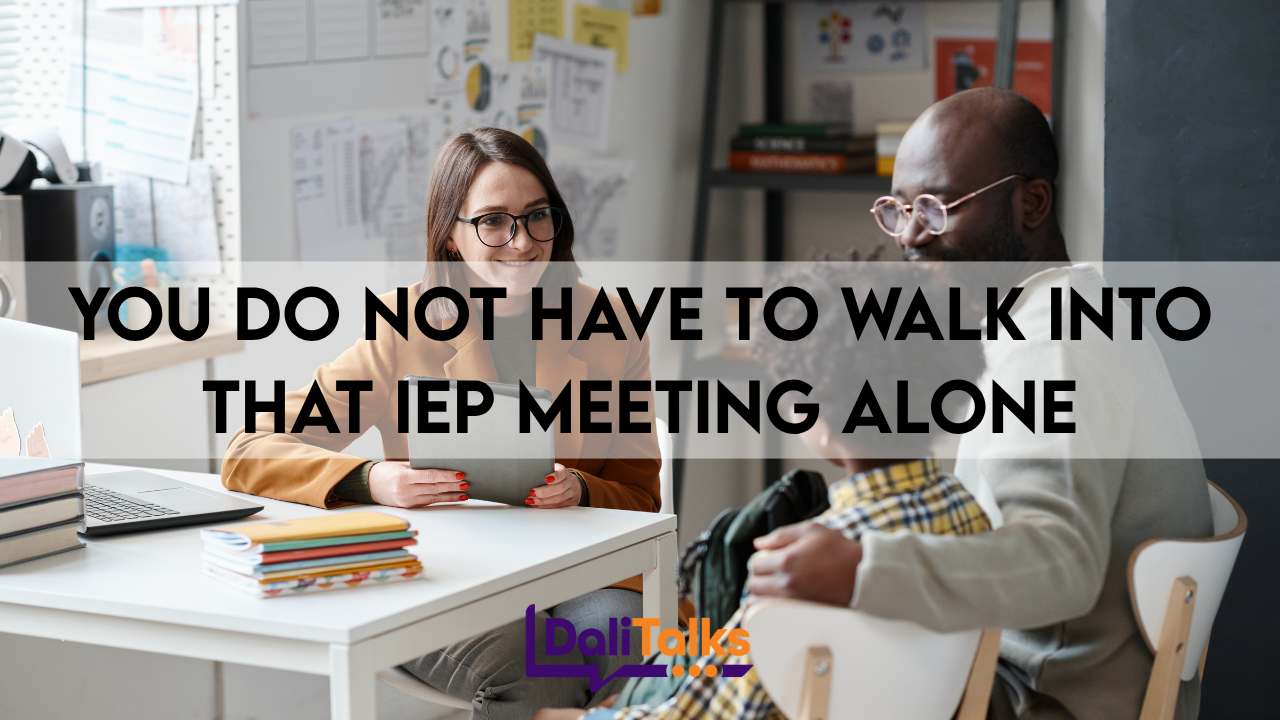
Listen to the full conversation with Lisa Richer on Episode 126 of the DaliTalks Podcast and then share it with a parent who is walking into their next IEP meeting alone.
Listen or watch here:
YouTube: https://youtube.com/@DaliTalksPodcast
Spotify: https://open.spotify.com/show/4T1R5GFmU4gXWyC9eqKEGS?si=3b59804a244f4c62
Apple Podcasts: https://podcasts.apple.com/us/podcast/the-dalitalks-podcast/id1613524529
Free book chapter: https://journey2bloom.myflodesk.com/cyfreechapter
You can also click the link in bio to tune in.
