
What You Wear Affects How You Feel, and That Matters More Than You Think
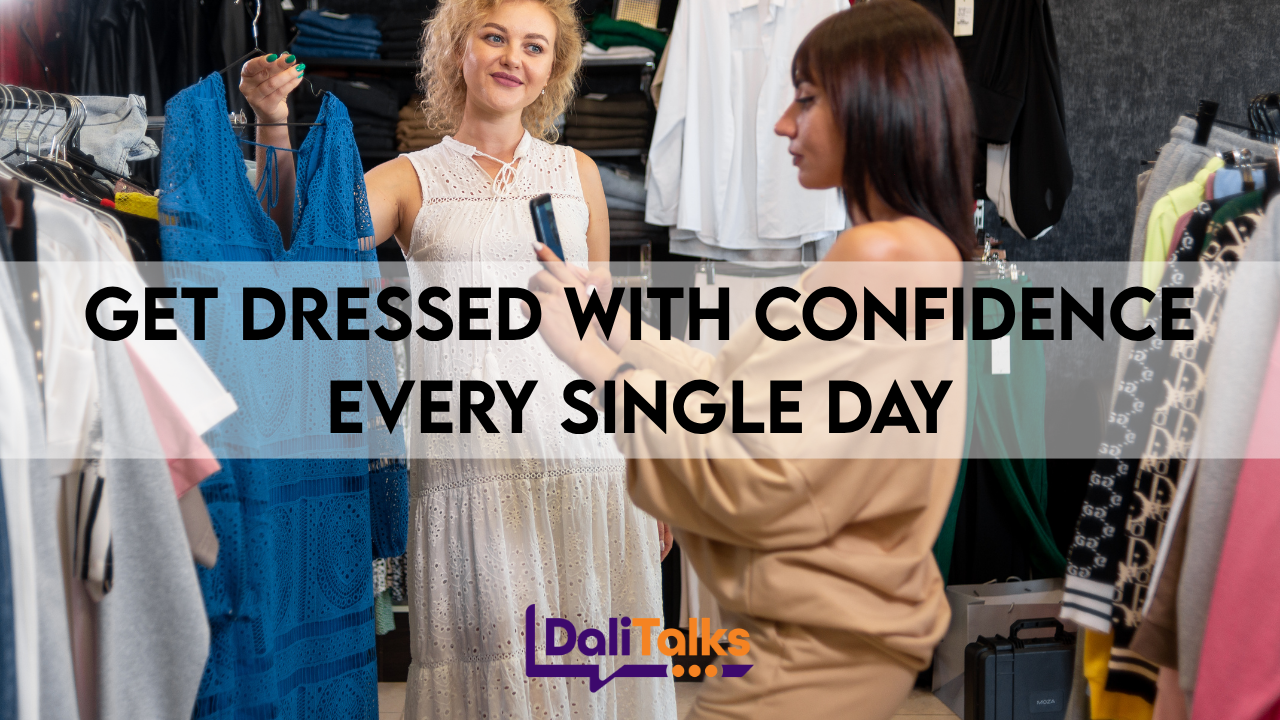
There is a connection between what we wear and how we feel that most of us understand intuitively but rarely talk about out loud. When we feel put together, we show up differently. We stand a little straighter. We walk into a room with a little more certainty. We feel ready.
And when we do not feel that way, it shows too.
Bridget Blacksten, Los Angeles based celebrity and personal stylist and founder of Studio Bee, joined the DaliTalks Podcast this week and made something I have always found intimidating feel completely within reach. She broke down the wardrobe essentials every woman and man should own, shared which stores give you quality without the markup, and explained exactly what to look for on a clothing label before you spend a single dollar.
But what stayed with me most was something she said at the very end. People should have fun getting dressed every day.
That hit differently than I expected.
Why what we wear matters beyond fashion
In bullying prevention work, one of the things I talk about consistently is confidence. The kind that comes from knowing who you are and feeling comfortable in your own skin. And while confidence is not about clothes, the way we present ourselves to the world does affect how we feel about ourselves, and how others perceive us.
Children who feel embarrassed about what they are wearing are more vulnerable. Teens who feel out of place because of their clothes are more likely to be targeted. Adults who have never learned how to put themselves together often carry a quiet shame about it that affects how they show up in every room they walk into.
Getting dressed with intention is not vanity. It is self-respect. And it is something we can teach.
The basics every wardrobe needs
Bridget's list for women is straightforward and achievable at almost any budget. A blazer. A well-fitted suit in a neutral color. A white button down. A pair of quality jeans. Trouser pants. A little black dress. A belt that breaks up a solid look. A go-to shoe in a neutral tone. A bag that can be the statement when everything else is simple.
For men: neutral trousers in khaki, black, and navy. A quality crew neck T-shirt in a deep, rich color. Loafers. White leather sneakers. A great jacket worth investing in because it will last fifteen to twenty years.
None of this requires a designer budget. It requires intention.
"People should have fun getting dressed every day. There is nothing better than playing dress-up with your clothes." — Bridget Blacksten
The one label tip that changes everything
When you pick up a piece of clothing, look for 100% cotton. That single detail tells you more about quality, longevity, and wearability than the price tag does. High polyester blends and rayon might look fine on the hanger but will not hold up the way you need them to. If you want something that lasts, cotton is the place to start.
How this connects to raising confident kids
When children grow up in homes where adults take care of themselves, dress with pride, and present themselves with intention, they learn that self-presentation is a form of self-respect. Not perfectionism. Not vanity. Just caring enough about yourself to show up the way you want to be seen.
That lesson travels. Into classrooms. Into friendships. Into the moments when a child has to stand up for themselves or for someone else.
Confidence starts at home, and sometimes it starts in front of the mirror.
Listen to the full conversation with Bridget Blacksten on Episode 124 of the DaliTalks Podcast. And if you are ready to work on your own closet, book a free 30-minute consultation at the link below.
Listen or watch here:
YouTube | Spotify | Apple Podcasts
You can also click the link in my bio to tune in.
