
What You Wear Affects How You Feel, and That Matters More Than You Think
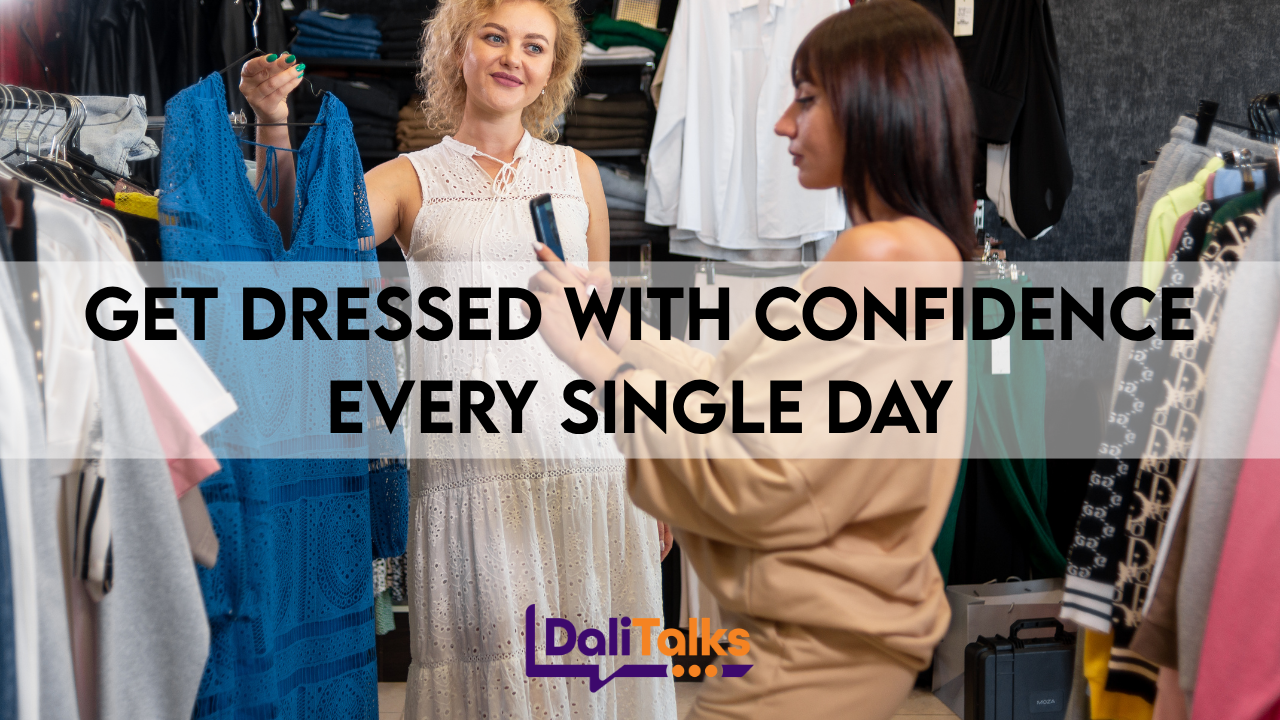
There is a connection between what we wear and how we feel that most of us understand intuitively but rarely talk about out loud. When we feel put together, we show up differently. We stand a little straighter. We walk into a room with a little more certainty. We feel ready.
And when we do not feel that way, it shows too.
Bridget Blacksten, Los Angeles based celebrity and personal stylist and founder of Studio Bee, joined the DaliTalks Podcast this week and made something I have always found intimidating feel completely within reach. She broke down the wardrobe essentials every woman and man should own, shared which stores give you quality without the markup, and explained exactly what to look for on a clothing label before you spend a single dollar.
But what stayed with me most was something she said at the very end. People should have fun getting dressed every day.
That hit differently than I expected.
Why what we wear matters beyond fashion
In bullying prevention work, one of ...
From Bystander to Upstander: Teaching Kids Moral Courage
We’re living in a time when bullying, discrimination, and dehumanization are on full display—in schools, online, and even in positions of power. But what scares me more than the actions of bullies... is the silence of bystanders.
We are living in a time when bullying, discrimination, and dehumanization are visible everywhere. They show up in schools, online spaces, workplaces, and even in positions of authority. What is often most damaging is not the behavior itself, but the silence that surrounds it.
Silence teaches children and adults that staying quiet is safer than doing what is right. Over time, this silence becomes normalized, and harm continues unchecked.
Understanding the bystander effect is critical if we want to raise confident, compassionate, and bully-proof kids.
A Story That Reveals the Power of Silence
A woman recently shared a story from when she was sixteen years old that captures the bystander effect in a powerful way.
Her classroom desks were arranged in a circl...
Goal-Setting Tips for Families and Kids
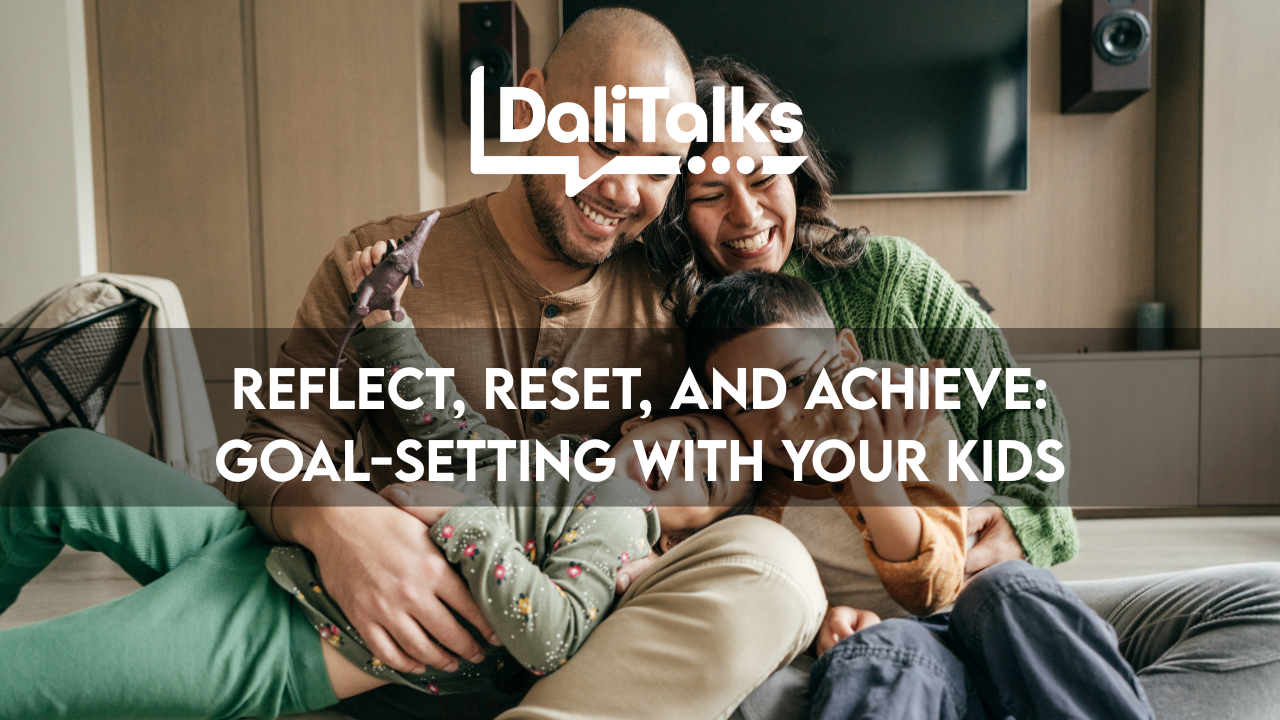
Spring is here, and for many of us, April marks the beginning of the second quarter, a perfect time to pause, reflect, and realign our goals. Whether you’re celebrating Easter, Ramadan, Passover, or simply enjoying the season, this is an opportunity to recharge and refocus your energy.
Goal-setting isn’t just for adults. Involving children in personal and family goal planning teaches them invaluable skills: confidence, self-awareness, perseverance, and how to celebrate progress, important elements in raising confident, bully-proof kids.
Why Reflection Matters
Taking time to reflect allows you to:
- Clarify what’s working and what’s not in your personal or professional goals
- Adjust strategies to stay on track for the next quarter
- Celebrate wins, even small ones, to build momentum
- Teach children how planning and reflection lead to growth and resilience
Reflection is not just a productivity tool; it’s a mindset. When kids see adults reflect, plan, and celebrate, they learn that ...
Helping Kids Process World Events Without Fear or Anxiety
It’s been a heavy week, hasn’t it?
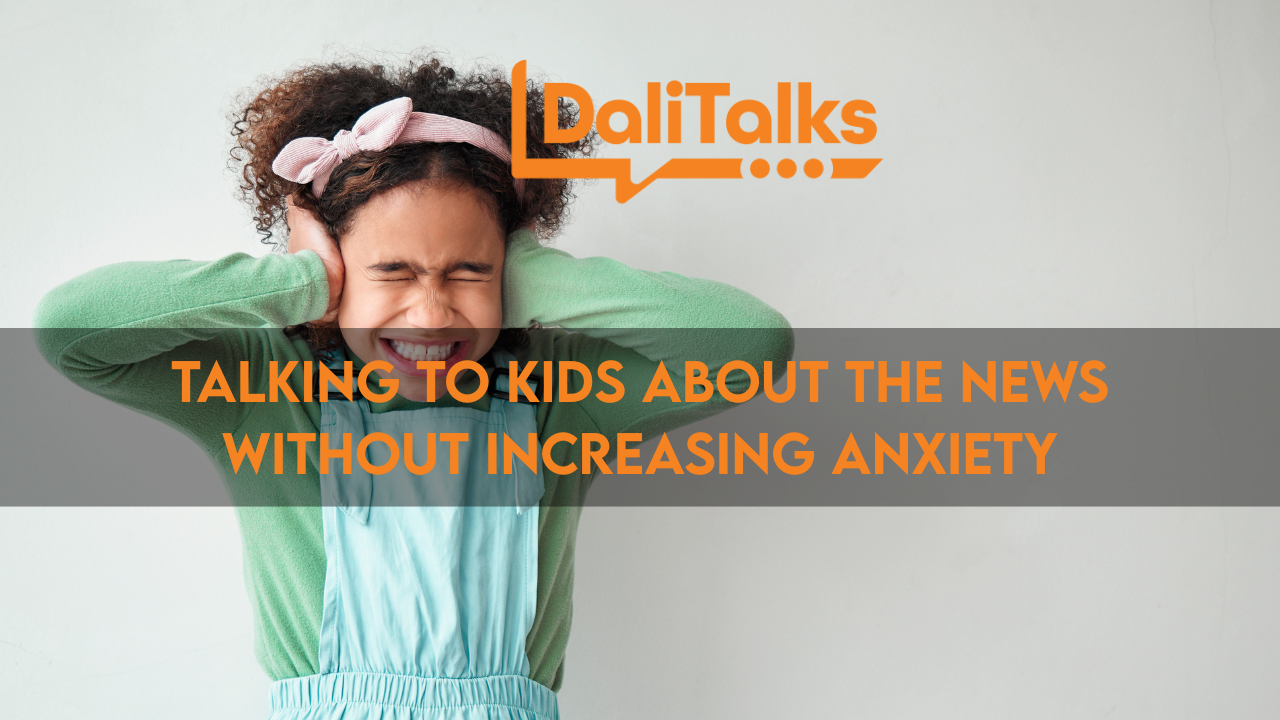
The news can be overwhelming for all of us. Recent events like the tragic shootings in Uvalde, Texas highlight how heavy the headlines can feel. Parents often feel the urge to protect their children by shielding them from the news. While this instinct comes from love, it’s important to remember: children are already aware of what’s happening, often through social media or conversations with peers.
Even when kids seem calm, they may carry fears and confusion. Checking in with them regularly helps ensure they feel safe, heard, and supported.
Why Talking About World Problems Matters
Children are naturally curious about the world. Ignoring difficult topics does not make them safer, it can lead to misinformation, heightened anxiety, and feelings of isolation.
When parents and guardians talk openly, they provide:
- Clarity – helping children separate fact from rumor
- Reassurance – showing that adults are actively thinking about safety
- Empowerment – ...
Surviving a lifetime of being bullied! by Kishva Daniel

Surviving a lifetime of being bullied!
As a child, I was bullied, and it was a long process for me to recover. I was teased, made fun of and told that I would never be anything. This was by my family from birth throughout my early adult years. I also endured years of being jumped on and beat-up by my cousin for no reason.
This resulted in me being shy and my self-esteem was very low. I was also teased in school because I was skinny, and my teeth were crooked. As a result, I walked with my head down and I never smiled. There were so many days that I would come home and just cry.
I was doing poorly in school because I was suffering from depression. I vividly remember one day I was in health class and a classmate told me that I was skinny enough to hula hoop in a fruit-loop. I was called grandma and told me that I was homely! which hurt a lot. That was just a tiny bit of the things that were said to me.
Unfortunately, I was struggling with being bullied. I stayed faithful and knew tha...
