
The Leadership Lesson Zig Ziglar Taught Me
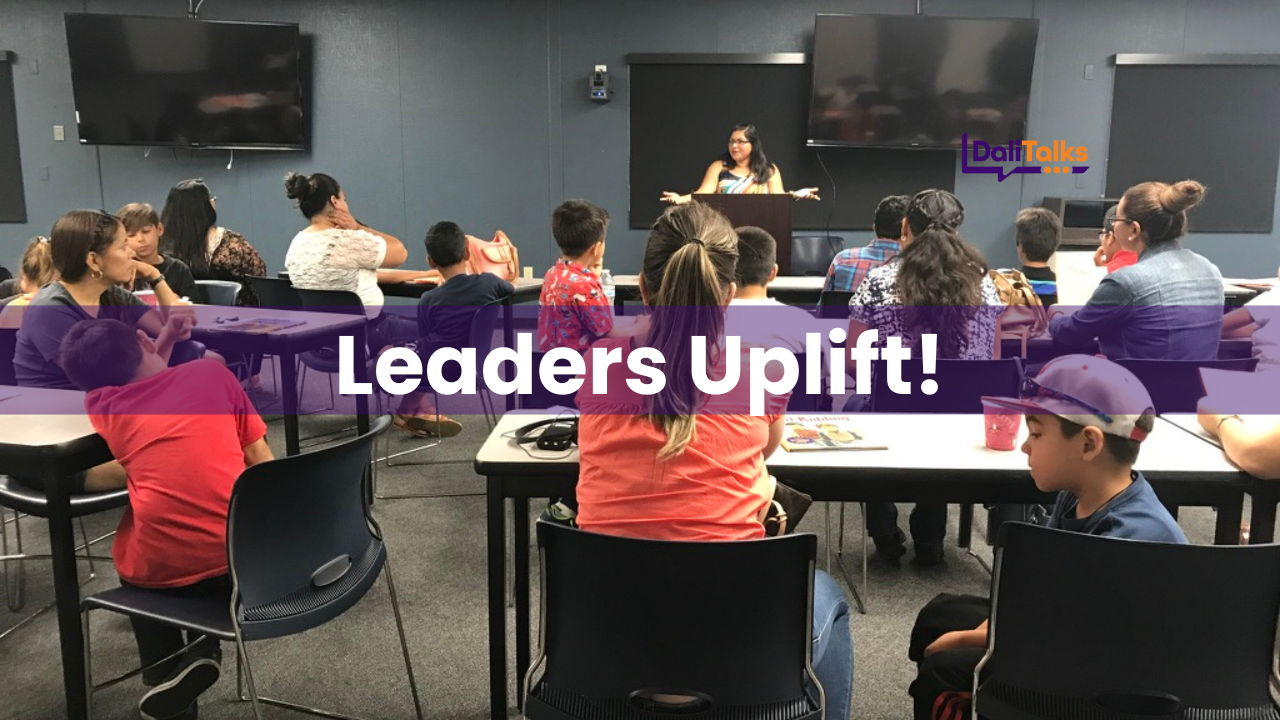
Years ago, I read a book that changed the way I understood leadership.
It was Zig Ziglar's "See You At The Top." Until that book, I didn't know there were employers out there who actually cared about the people who worked for them, not just what they produced. He described asking his team about their lives, taking their personal challenges into account, and still finding a way to get the work done together. It was the first time I saw empathy described as a leadership strength instead of a soft skill to tolerate.
Around that same period in my life, I had become a Sergeant in the United States Army. I hated how some of my own leaders treated us. One of the things we dreaded most was the monthly counseling sessions. They were almost always negative. They never did a single thing for morale, and most of us walked away from them feeling smaller, not better.
So when I became the one leading, I made a decision. I was going to flip that pattern.
I made sure my team heard what they were do...
Why Your Organization Needs a Language of Leadership Keynote This Year
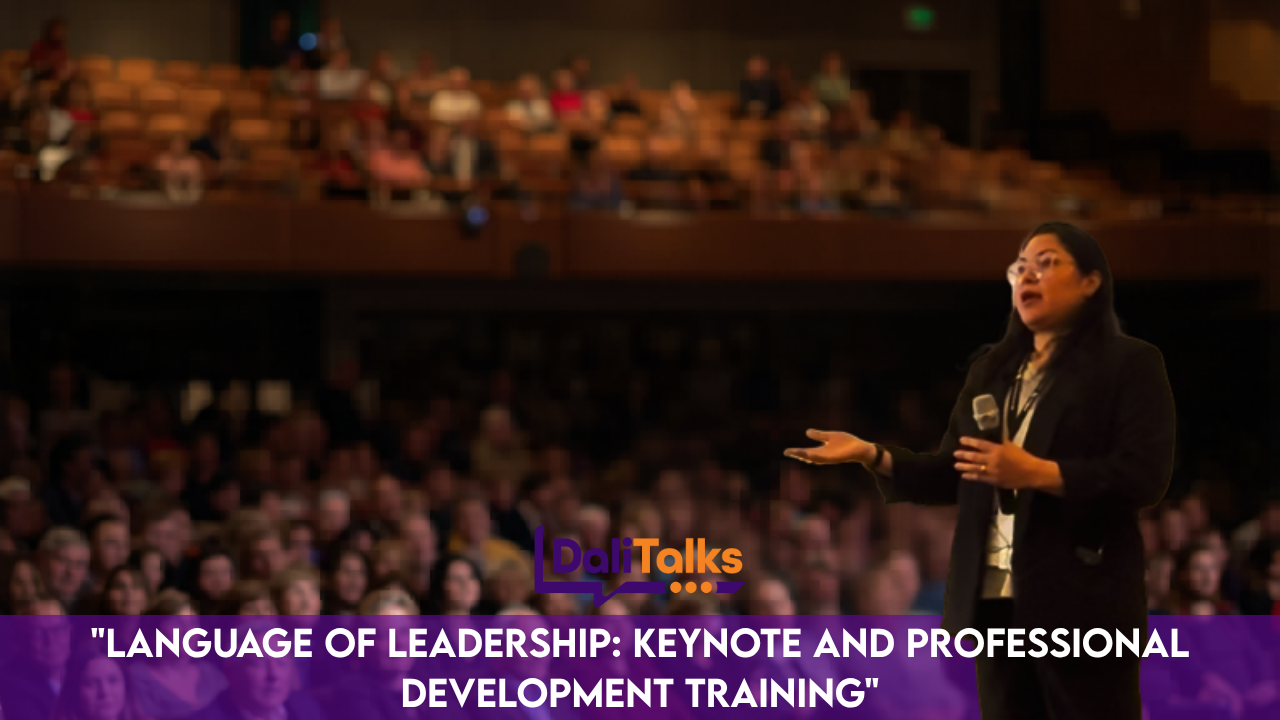
The most expensive problem in your organization is not a budget issue, a staffing issue, or a strategy issue. It is a language issue. And most leaders never see it coming.
Words build teams or break them. They open doors or quietly close them. They make people feel seen, valued, and safe enough to do their best work, or they send the message that some voices matter more than others.
"The difference between a thriving organizational culture and a fractured one often lives in the everyday language leaders and teams use without ever stopping to think about it."
That is exactly what the Language of Leadership keynote is designed to change.
What Is the Language of Leadership?
The Language of Leadership is a keynote experience designed for organizations, schools, and community groups that are ready to move beyond surface-level diversity and inclusion conversations and get into the practical work of communication.
This is not a lecture about what not to say. It is an honest, engagi...
Kind vs. Nice: Why the Words We Choose Change Everything for Kids, Adults, and Leaders
One word can silence a child. Another can save them. And most of us have been using the wrong one our entire lives.
We teach kids to be nice. We reward them for being agreeable, quiet, and accommodating. We tell them nice is good. Nice is safe. Nice is what good people are. But what if nice is actually the problem?
There is a powerful and often overlooked difference between being kind and being nice, and once you see it, you cannot unsee it. This distinction matters for children navigating friendships. It matters for parents trying to raise confident kids. It matters for educators managing classroom dynamics. And it matters deeply for leaders who want to build cultures where people feel safe enough to tell the truth.
Nice Keeps You Quiet. Kindness Gives You a Voice.
Niceness is rooted in approval. A nice person says yes because they are afraid of what happens if they say no. They smile through discomfort. They shrink to keep the peace. They prioritize how others feel about them ove...
Why I Founded DaliTalks: Empowering Parents to Protect Their Children from Bullying
There was a moment that changed everything for me.
I was working with parents and I kept noticing the same painful gap. These were loving, determined parents who wanted to protect their children. They were showing up, asking questions, and doing everything they thought they were supposed to do. But when it came to using their school's own bullying prevention policy as a tool for advocacy, they had no idea it was even an option.
That gap between what parents deserved to know and what they actually knew lit a fire in me. And DaliTalks LLC was born.
Parents Are Showing Up. The System Is Letting Them Down.
Too many parents feel unheard when they try to advocate for their child. They lie awake at night wondering whether their child will be safe if a bully targets them. They don't need a research study to tell them that bullying leaves lasting marks on mental health. They've lived it. They've watched their children carry wounds that didn't fade.
The frustration isn't a lack of love or e...
