Why I Founded DaliTalks: Empowering Parents to Protect Their Children from Bullying
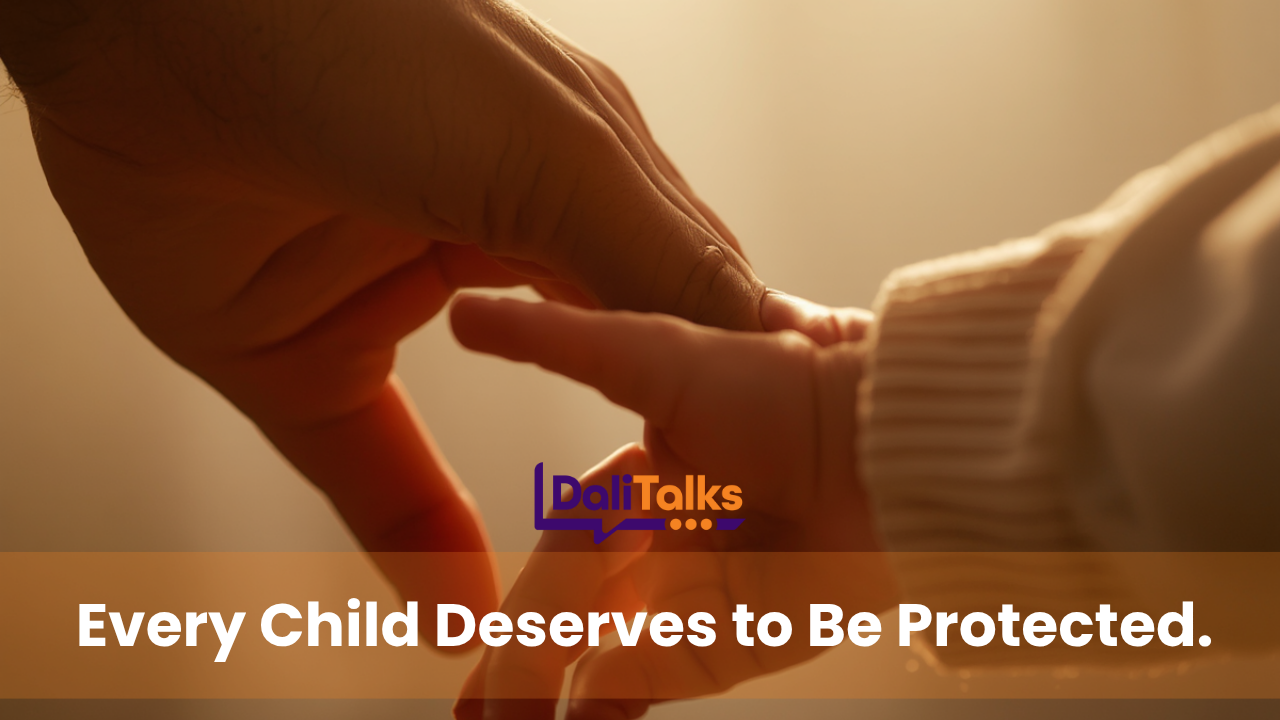
There was a moment that changed everything for me.
I was working with parents and I kept noticing the same painful gap. These were loving, determined parents who wanted to protect their children. They were showing up, asking questions, and doing everything they thought they were supposed to do. But when it came to using their school's own bullying prevention policy as a tool for advocacy, they had no idea it was even an option.
That gap between what parents deserved to know and what they actually knew lit a fire in me. And DaliTalks LLC was born.
Parents Are Showing Up. The System Is Letting Them Down.
Too many parents feel unheard when they try to advocate for their child. They lie awake at night wondering whether their child will be safe if a bully targets them. They don't need a research study to tell them that bullying leaves lasting marks on mental health. They've lived it. They've watched their children carry wounds that didn't fade.
The frustration isn't a lack of love or e...
How Misinformation Fuels Bullying and How Kids Can Fight Back
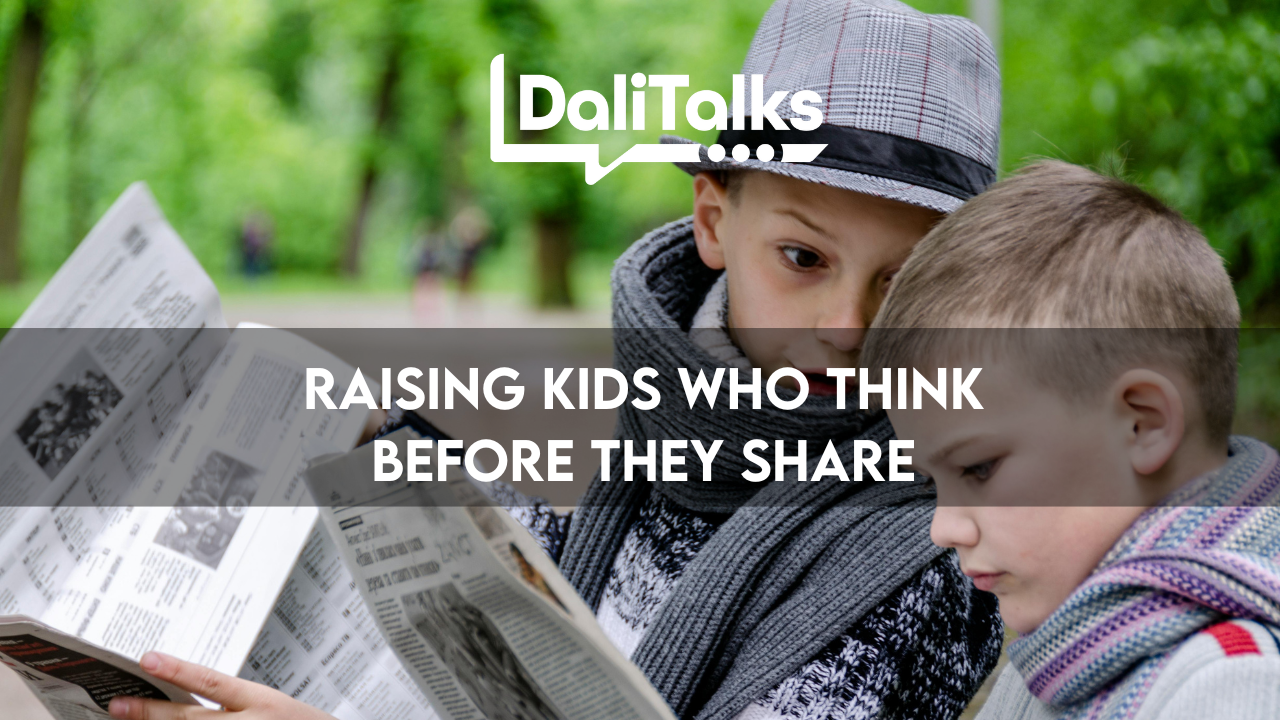
Bullying today isn’t limited to playgrounds or classrooms. It follows children online—through social media, group chats, and shared content. And often, misinformation and fake news are the catalysts.
A rumor, half-truth, or deliberately false story can escalate quickly, turning harmless misunderstandings into emotional harm and social exclusion. Kids who don’t pause to think critically before believing or sharing information may unknowingly participate in bullying.
Misinformation vs. Fake News
Understanding the difference is the first step in prevention:
Misinformation – False or inaccurate information shared unintentionally. For example, a child repeating a rumor they didn’t know was untrue.
Fake News – Deliberately false information designed to mislead, embarrass, or manipulate. For example, a fabricated story about a student circulated to isolate them or ruin their reputation.
Both types of content can fuel bullying and harm emotional well-being.
Why This Matters for Kids
Ch...
Friendship Beyond Labels: Helping Kids Choose Real Friends
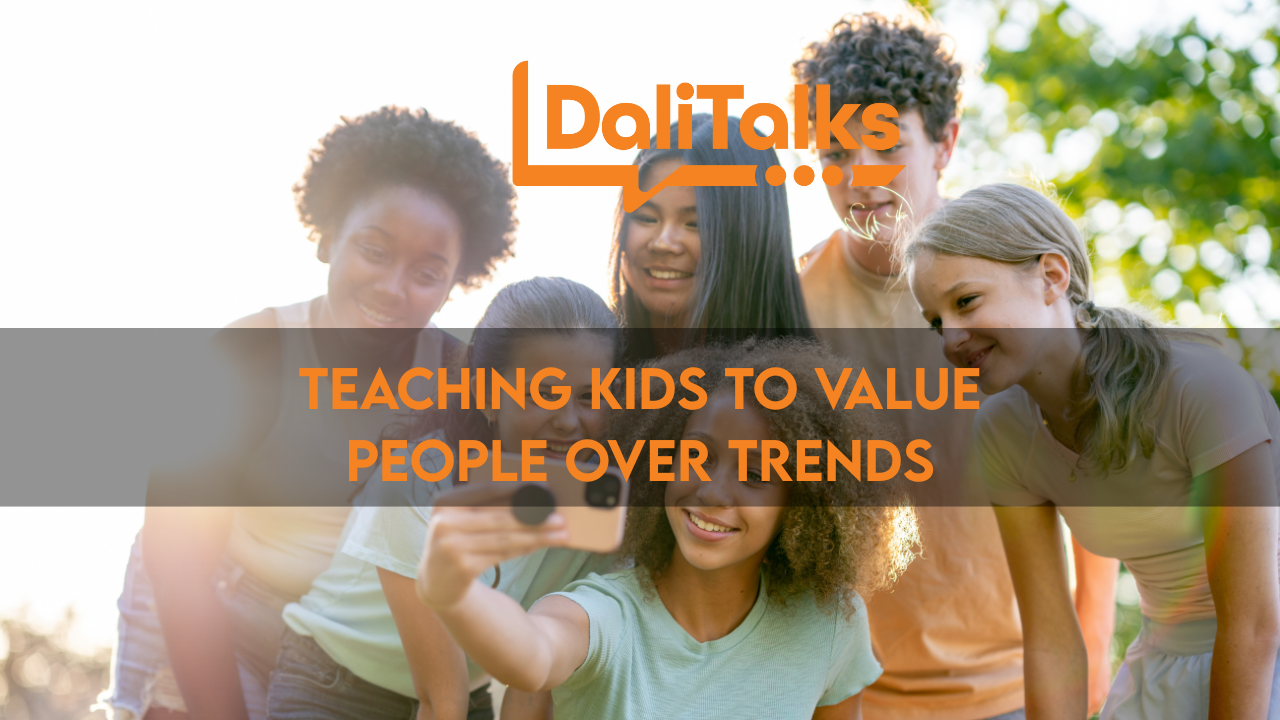
School environments are full of trends. One week it is a must-have sneaker. The next week it is a new brand, hairstyle, or social status marker. While trends change constantly, the pressure to fit in can deeply affect how children choose their friends.
Many kids feel they must look a certain way or own certain things to be accepted. This pressure can lead to shallow friendships, exclusion, and social bullying. Helping kids understand the difference between real friendships and trend-based connections is essential for raising confident, bully-proof kids.
Why Character Matters More Than Labels
In a world shaped by marketing and social media, children often receive the message that appearance and possessions define value. Over time, this belief can affect self-esteem and peer relationships.
True friendships are not built on brands, popularity, or status. They are built on trust, kindness, and shared experiences. When children learn to value character over appearance, they are more lik...
Media Savvy Kids: Teaching Critical Thinking in a Digital World
Children today are growing up in a world where information is everywhere. With one tap, swipe, or search, kids can access news, opinions, videos, and stories from across the globe. While this access can be empowering, it also comes with risks.
Not everything kids see online is true. Some information is misleading, exaggerated, or intentionally harmful. Without guidance, children may believe false information, spread rumors, or unintentionally participate in social bullying.
Teaching kids to become media savvy is no longer optional. It is an essential life skill that supports confidence building, bullying prevention, emotional regulation, and healthy decision-making.
Why Media Literacy and Critical Thinking Matter
Children are constantly exposed to messages through social media, video platforms, group chats, and online games. These messages shape how they see themselves and others.
When kids are not taught how to evaluate what they see and hear, they are more vulnerable to:
- Beli...
1 in 50 Kids Are Victims of Identity Theft: How Oversharing Puts Children at Risk
|
The Digital Skills Kids Need Before Going Online
What Does It Mean to Be a Good Digital Citizen?
Being a good digital citizen means having the knowledge, awareness, and skills to use technology responsibly, respectfully, and safely. For children, digital citizenship is not just about knowing how to use devices. It is about understanding how their words, actions, and choices online affect themselves and others.
In today’s digital world, children are communicating, learning, and building relationships online earlier than ever before. Without guidance, they can unintentionally become involved in cyberbullying, invasion of privacy, oversharing personal information, or harmful online behavior that can have long lasting consequences.
Before we allow children access to social media, gaming platforms, or online communities, it is our responsibility as parents, guardians, educators, and caregivers to teach them how to navigate the digital world safely and confidently.
The Real Risks Kids Face Online
Cyberbullying often goes unnoticed bec...
