
What Attachment Styles Tell Us About Bullying

When we talk about bullying, we tend to focus on the behavior itself. The name-calling. The exclusion. The aggression on the playground or in the group chat. But if we really want to understand where bullying comes from, and how to stop it at the root, we have to be willing to look a little deeper.
Attachment theory gives us a powerful lens for doing exactly that.
Bev Mitelman, certified relationship and attachment trauma practitioner and founder of Securely Loved, joined the DaliTalks Podcast this week to walk us through the four attachment styles and how they form in early childhood. And what she shared has everything to do with why some kids become bullies, why others become targets, and why so many children who struggle socially are not acting out of malice but out of fear.
The connection between attachment and behavior at school
A child who grows up with an anxious attachment style has a core wound rooted in the fear of abandonment. They learned early that love and attention a...
How to Support Your Child’s Success During The School Year
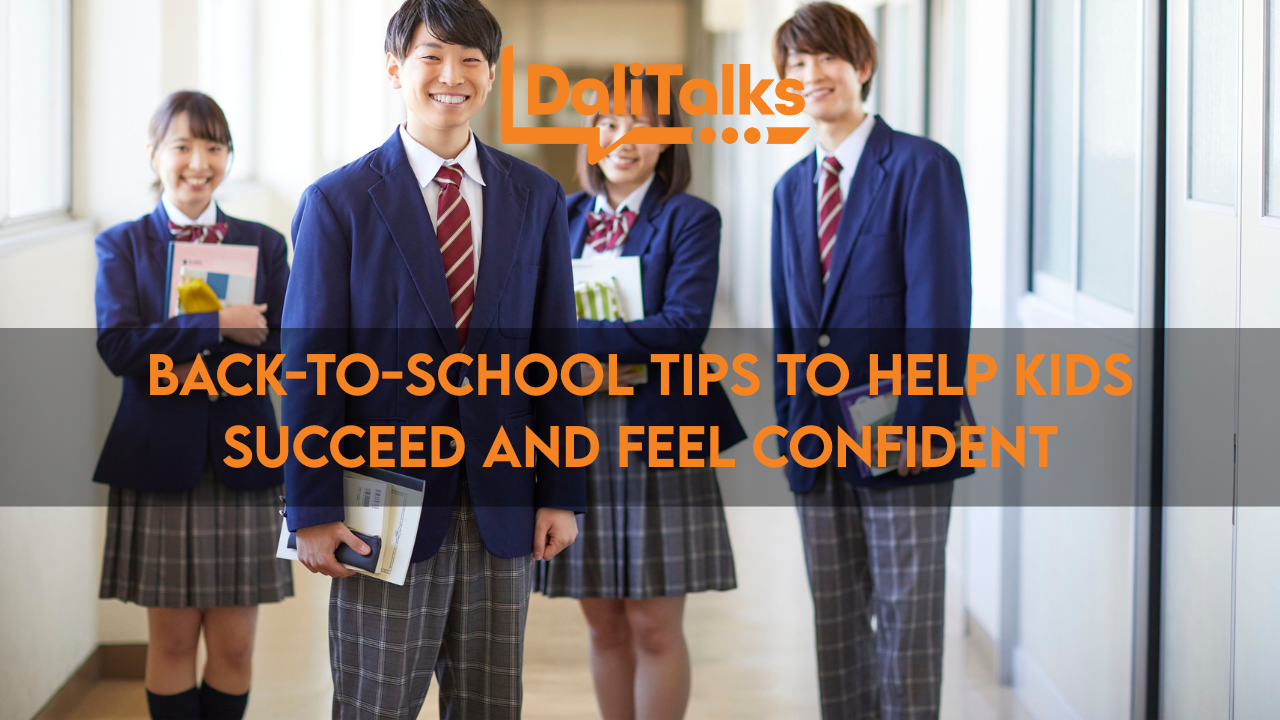
As summer ends and a new school year approaches, excitement and anxiety often mix for kids and parents alike. New routines, friendships, and academic challenges can feel overwhelming. The good news is that thriving in school is not about perfection. It is about preparation, support, and connection.
Here are six practical strategies to help your child succeed and feel confident, safe, and supported this school year.
1. Establish a Routine Early
Summer schedules often shift later bedtimes and relaxed mornings. Returning to school is smoother when routines are reestablished gradually.
Tips:
- Start adjusting bedtimes and wake-up times a couple of weeks before school starts
- Create a calm morning routine including breakfast and a few minutes of quiet preparation
- Consistency helps reduce anxiety, improve focus, and create emotional safety
2. Address Academic Concerns
Academic worries can create stress, especially with new grades or subjects. Early support prevents frustration from...

What advice do you wish people would have given you?

|
Mistakes Do Not Define Who You Are
My daughter came up to me after a rough week of behavior challenges and asked, “Was I, good kid, today?”
This is to say, I was stunned by that question. I felt awful that she thought she was not a good kid at any time.
I also blamed myself for the way she was thinking of herself. Perhaps I’d been too strict. Maybe my tone was too harsh, but at the same time, I thought about the actions she had done that led to me correcting her.
Kids can go through phases of defiance. However, they don’t last long if we help kids correct those actions right away. I am not a perfect parent. Believe me. I have a lot of regrets about how I handled some situations.
Therefore, I try to consciously think things through even when I’ve very upset about something that my kids have done that I don’t agree with.
As I was having a conversation with some parents, one of them asked me about how to help a kid who has bullied others and is trying to do better.
Consequently, that led me to think of the movie ...
