When Women Stop Shrinking and Start Speaking Up

There is a version of bullying that does not happen on a playground. It happens in meeting rooms, on performance reviews, and in the quiet moment after you raise your hand and watch the room decide how to receive you.
For millions of women in the workforce, especially Black women and women of color, this experience is not an exception. It is a pattern. And it carries real consequences, not just professionally, but in the relationship a woman has with her own voice.
This week on the DaliTalks Podcast, I sat down with London Reid, transformational coach and founder of Her Law of Growth, and she described something that stopped me in my tracks. She was sitting in her director's office. She was four months pregnant. She had just returned from losing her father. She was in tears. And she was being told that agreeing to cooperate with her supervisor was somehow combative.
That moment is not unusual. That is the problem.
What Workplace Bullying Actually Looks Like for Women
Most anti-bul...
Workplace Bullying Is Not Feedback: How to Set Real Boundaries
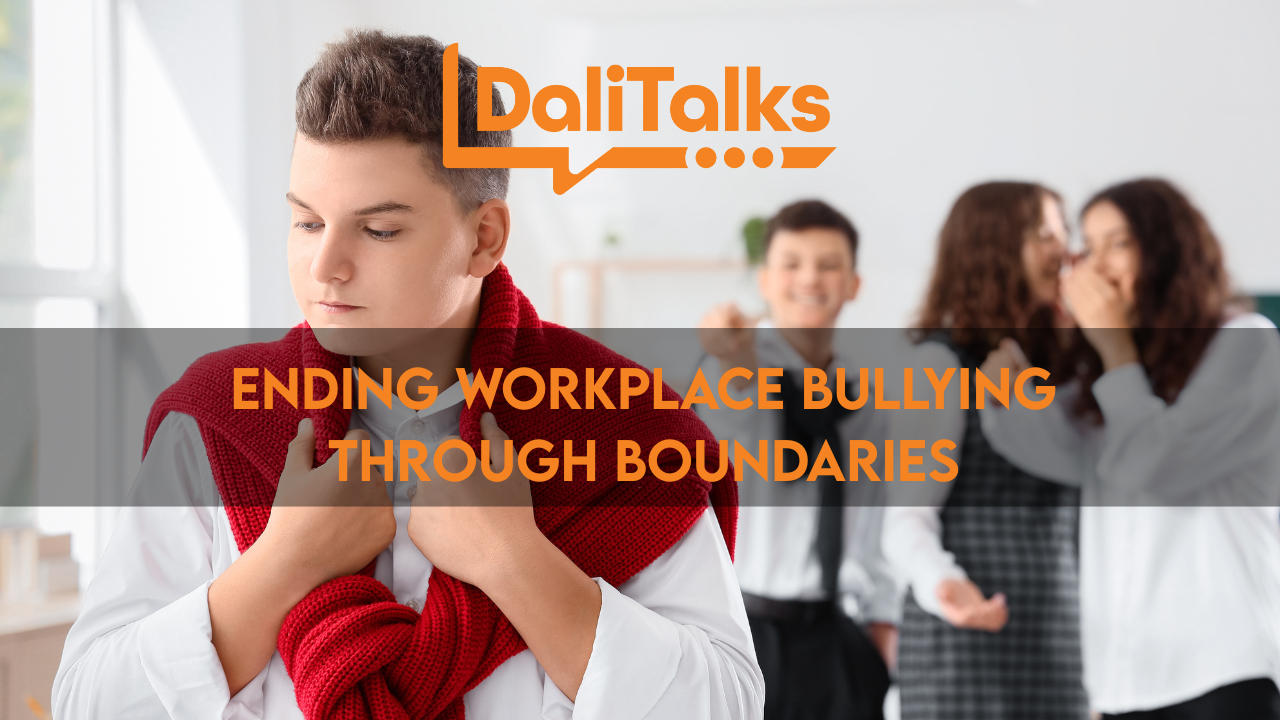
If you have ever been told you are “too sensitive” at work, pause right there.
You are not too sensitive. You are responding to behavior that crosses professional boundaries.
Workplace bullying is not office drama or a personality clash. It is a form of psychological harm that impacts mental health, confidence, productivity, and career growth. It can show up quietly or loudly, but its effects are always real.
No one deserves to tolerate mistreatment to keep a paycheck.
What Workplace Bullying Really Looks Like
Workplace bullying often hides behind phrases like “just joking,” “constructive feedback,” or “this is how things are done here.” That is what makes it so damaging and confusing.
Common signs of workplace bullying include:
Being excluded from meetings or important projects
Publicly undermined or embarrassed
Constant interruption, micromanagement, or nitpicking
Gossip or rumors spread behind your back
Chronic anxiety or physical stress before work
Ideas being dismissed, min...
