Why Knowing Cyberbullying Types Protects Kids

Why Parents Need to Understand the Different Types of Cyberbullying to Keep Kids Safe Online
Parents today are raising kids in a digital world that we ourselves never had
to navigate growing up. Our children live in group chats, online games, social platforms, and digital classrooms. That means their social experiences do not stop when the bell rings. And because of that, understanding the different types of cyberbullying is not optional. It is an essential part of keeping our kids safe.
The truth is that cyberbullying is no longer just “mean comments online.” It has evolved into multiple forms, each with its own risks and emotional impact. When parents don’t know what to look for, kids often stay silent. Not because they want to, but because they don’t have the language to describe what’s happening.
And let’s be real. Kids also fear losing their devices, their privacy, or their social connections.
This is why learning the different types of cyberbullying matters.
Kids Cannot R...
When Cutting Off Family Is the Healthiest Choice
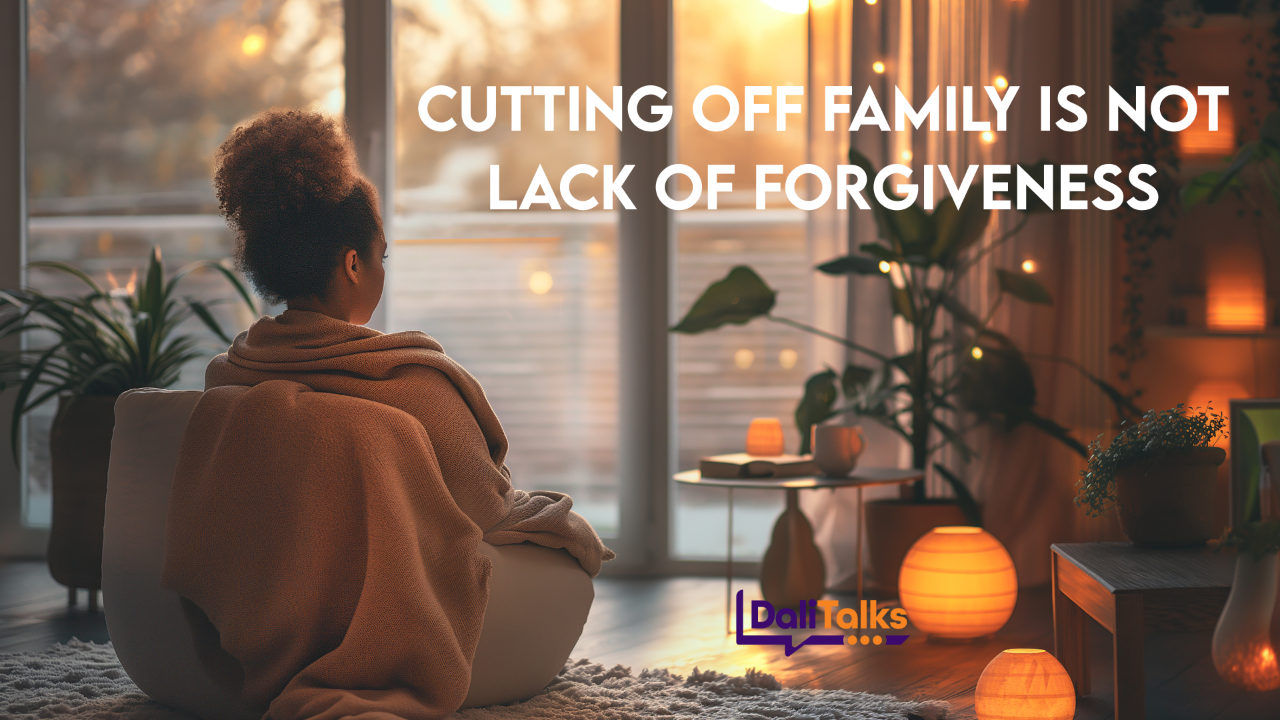
Choosing Distance From Toxic Family Relationships During the Holidays
There is a quiet truth many people carry, especially during the holidays. Not everyone gathers with every branch of their family tree. Not everyone feels safe or loved in the spaces that are supposed to feel like home. And not everyone is willing to keep pretending.
Years ago, I made a decision that most people avoid at all costs. I chose to cut off certain family members. It was not impulsive. It was not based on pressure. It was not done out of anger. It was a decision that took years of wrestling, grieving, analyzing patterns, and asking myself what kind of life I wanted to create for my own children.
Whenever someone learns that I do not speak to my mother, the reaction is almost immediate. People apologize as if I am broken. They ask whether I have tried to make amends. They assume I have not forgiven her. They suggest that forgiveness is the missing key to my happiness, as if I am carrying unresolved resentm...
Teach Your Kids To Trust Their Gut

Teach Your Kids To Trust Their Gut
Growing up, I often felt uneasy around certain people. My body would tighten up or my stomach would flip. I did not have the language for intuition and I definitely was not taught how to read other people’s energy or my own. But that physical feeling was so loud at times that I knew I had to leave the room or excuse myself before things took a turn.
To this day, my friends laugh about how I was never caught at a teen house party or skipping school. The truth is simple. I was not a risk taker. I had seen and heard enough to know that I did not want any part in a bad situation if I could help it.
Not every child develops that instinct early. Not every child knows how to take those physical cues seriously. And that is exactly why this message matters.
Your child’s intuition is real. It is powerful. It is often their first line of defense before any adult steps in. Whether the danger is emotional, social, or physical, that gut feeling is wisdom wra...
The Power of Awareness: How We Can Stop Bullying Together
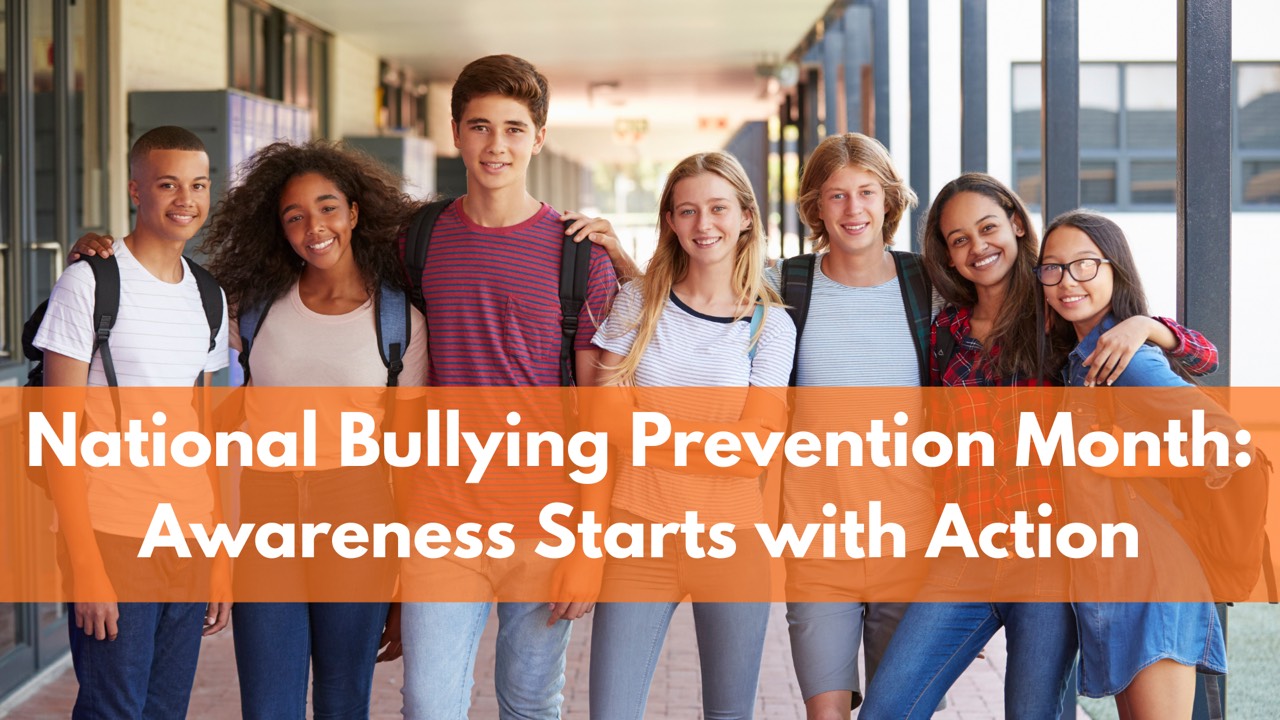
The Power of Awareness: How We Can Stop Bullying Together
Every October, we are reminded that silence around bullying is never an option. National Bullying Prevention Month is not just about wearing orange or posting supportive messages online. It is a call to action to protect our children, strengthen our schools, and build the kind of communities where everyone belongs.
At DaliTalks, we use this month to amplify what we do year-round. We educate, equip, and empower parents and educators to take real steps that prevent bullying before it starts. Through workshops, blogs, and parent guides, we help families recognize the early signs of bullying and know exactly how to respond effectively.
When we raise awareness, we give people tools. That is the heart of prevention.
Why Awareness Alone Is Not Enough
Awareness is the first step, but real change comes from understanding how to take action. Many parents I meet want to protect their children but feel unsure where to begin. Some fear ...
Why Kids Should Learn About Different Careers
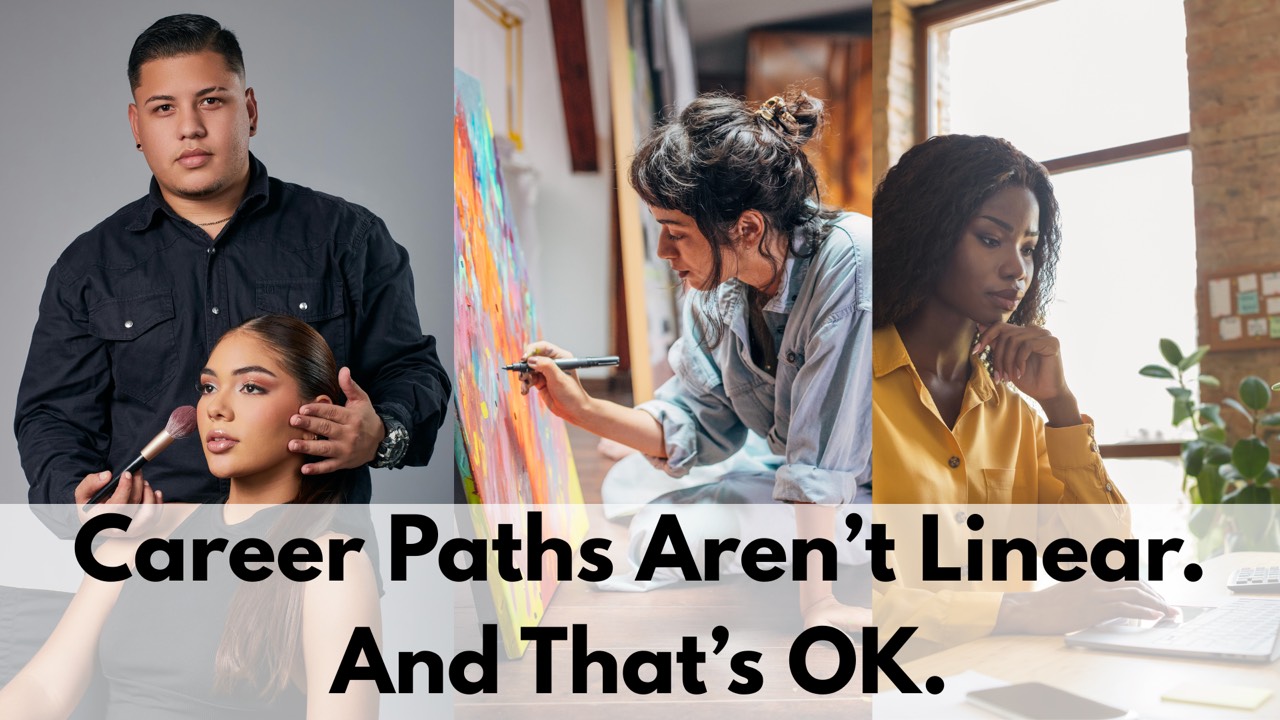
The Importance of Exposing Kids to New Career Opportunities
If you’ve ever asked a child what they want to be when they grow up, you’ve probably heard answers like “doctor,” “teacher,” or “YouTuber.” But the truth is, most kids have no idea just how many career paths exist — and that’s completely normal.
That’s one of the reasons I launched my Career Series on the DaliTalks Podcast. I wanted to open the door to new possibilities for kids, teens, and even adults who might be wondering what’s next in their professional journey.
When we expose kids to real stories about different careers, we’re doing much more than teaching them about job titles — we’re helping them build curiosity, confidence, and a sense of direction for the future.
Career Journeys Are Not Linear. And That’s Okay
One of the biggest lessons I want listeners to take away from this series is that career paths are rarely straight lines.
Every guest I’ve interviewed has shared a unique story, how they started, where th...
From Dinner Table Politics to Congress
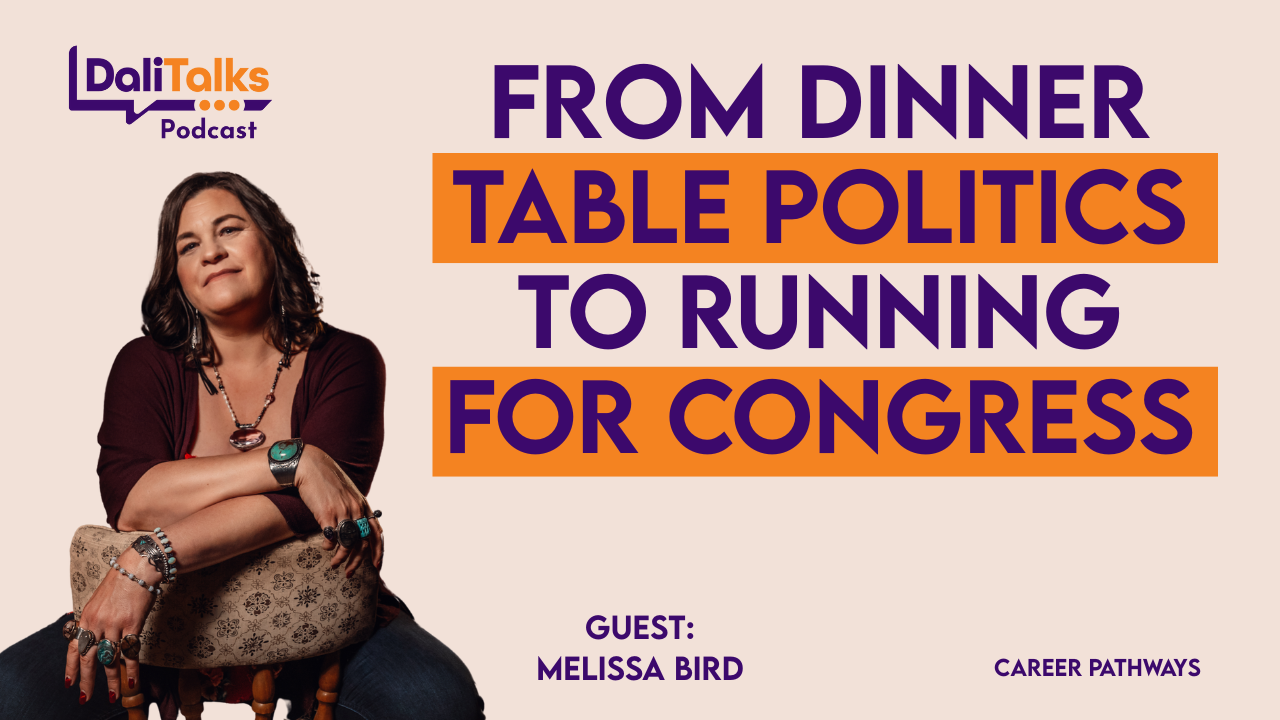
From Dinner Table Politics to Running for Congress: Dr. Melissa Bird
Politics isn’t only for campaign trails or congressional floors — for some, it begins at the dinner table.
In this episode of the DaliTalks Podcast, I sit down with Dr. Melissa Bird, who is running for election to the U.S. House to represent Oregon’s 4th Congressional District in 2026.
Melissa grew up surrounded by conversations about politics and community leadership, and that early exposure shaped her lifelong passion for advocacy. Today, she’s using that passion to make a difference in Oregon and beyond.
What You’ll Learn in This Episode:
- Dinner Table Politics: How Melissa’s early family conversations about politics built her foundation for leadership.
- Supporting LGBTQ Youth: The critical work she’s doing to advocate for homeless LGBTQ youth and the unique challenges they face.
- Lobbying Explained: What lobbying actually is, why it matters, and how everyday people can influence change.
- Community Impact: Ho...
How Misinformation Fuels Bullying and How Kids Can Fight Back
Bullying today isn’t limited to playgrounds or classrooms. It follows children online—through social media, group chats, and shared content. And often, misinformation and fake news are the catalysts.
A rumor, half-truth, or deliberately false story can escalate quickly, turning harmless misunderstandings into emotional harm and social exclusion. Kids who don’t pause to think critically before believing or sharing information may unknowingly participate in bullying.
Misinformation vs. Fake News
Understanding the difference is the first step in prevention:
Misinformation – False or inaccurate information shared unintentionally. For example, a child repeating a rumor they didn’t know was untrue.
Fake News – Deliberately false information designed to mislead, embarrass, or manipulate. For example, a fabricated story about a student circulated to isolate them or ruin their reputation.
Both types of content can fuel bullying and harm emotional well-being.
Why This Matters for Kids
Ch...
Workplace Bullying Is Not Feedback: How to Set Real Boundaries
If you have ever been told you are “too sensitive” at work, pause right there.
You are not too sensitive. You are responding to behavior that crosses professional boundaries.
Workplace bullying is not office drama or a personality clash. It is a form of psychological harm that impacts mental health, confidence, productivity, and career growth. It can show up quietly or loudly, but its effects are always real.
No one deserves to tolerate mistreatment to keep a paycheck.
What Workplace Bullying Really Looks Like
Workplace bullying often hides behind phrases like “just joking,” “constructive feedback,” or “this is how things are done here.” That is what makes it so damaging and confusing.
Common signs of workplace bullying include:
Being excluded from meetings or important projects
Publicly undermined or embarrassed
Constant interruption, micromanagement, or nitpicking
Gossip or rumors spread behind your back
Chronic anxiety or physical stress before work
Ideas being dismissed, min...
From Bystander to Upstander: Teaching Kids Moral Courage
We’re living in a time when bullying, discrimination, and dehumanization are on full display—in schools, online, and even in positions of power. But what scares me more than the actions of bullies... is the silence of bystanders.
We are living in a time when bullying, discrimination, and dehumanization are visible everywhere. They show up in schools, online spaces, workplaces, and even in positions of authority. What is often most damaging is not the behavior itself, but the silence that surrounds it.
Silence teaches children and adults that staying quiet is safer than doing what is right. Over time, this silence becomes normalized, and harm continues unchecked.
Understanding the bystander effect is critical if we want to raise confident, compassionate, and bully-proof kids.
A Story That Reveals the Power of Silence
A woman recently shared a story from when she was sixteen years old that captures the bystander effect in a powerful way.
Her classroom desks were arranged in a circl...
The Truth About Family Denial and the “Black Sheep"

We Need to Talk About Bruno: The Truth About Family Denial and the “Black Sheep”
Have you seen Disney’s Encanto? I’ve watched it at least five times. It’s more than just catchy songs and colorful visuals—it’s a powerful commentary on family dynamics, especially toxic loyalty, and the person every family tries to silence: the “Bruno.”
Let’s be honest—we all have a Bruno.
Bruno represents the family member who dares to tell the truth. The one who sees dysfunction and speaks up, even when it’s uncomfortable. Bruno is the sibling who calls out generational trauma. The coworker who warns leadership about a toxic work culture. The cousin who begs the family to stop ignoring abuse, addiction, or dangerous patterns.
And what happens when Bruno speaks up?
He’s called dramatic. Disloyal. Bitter. “Too much.”
Instead of being supported, he’s blamed—not because he’s wrong, but because he broke the silence.
Why We Demonize the Truth-Tellers
According to Psychology Today, denial is a defense mech...
