
Friendship Beyond Labels: Helping Kids Choose Real Friends
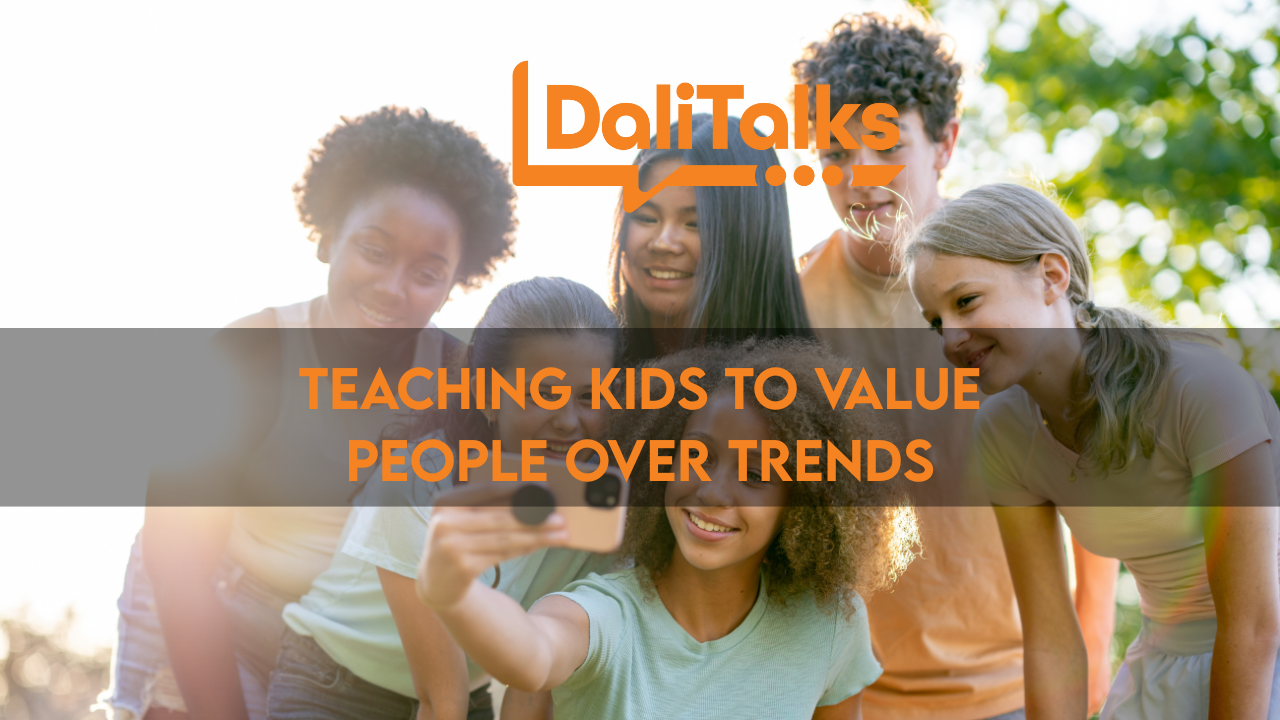
School environments are full of trends. One week it is a must-have sneaker. The next week it is a new brand, hairstyle, or social status marker. While trends change constantly, the pressure to fit in can deeply affect how children choose their friends.
Many kids feel they must look a certain way or own certain things to be accepted. This pressure can lead to shallow friendships, exclusion, and social bullying. Helping kids understand the difference between real friendships and trend-based connections is essential for raising confident, bully-proof kids.
Why Character Matters More Than Labels
In a world shaped by marketing and social media, children often receive the message that appearance and possessions define value. Over time, this belief can affect self-esteem and peer relationships.
True friendships are not built on brands, popularity, or status. They are built on trust, kindness, and shared experiences. When children learn to value character over appearance, they are more lik...
Media Savvy Kids: Teaching Critical Thinking in a Digital World
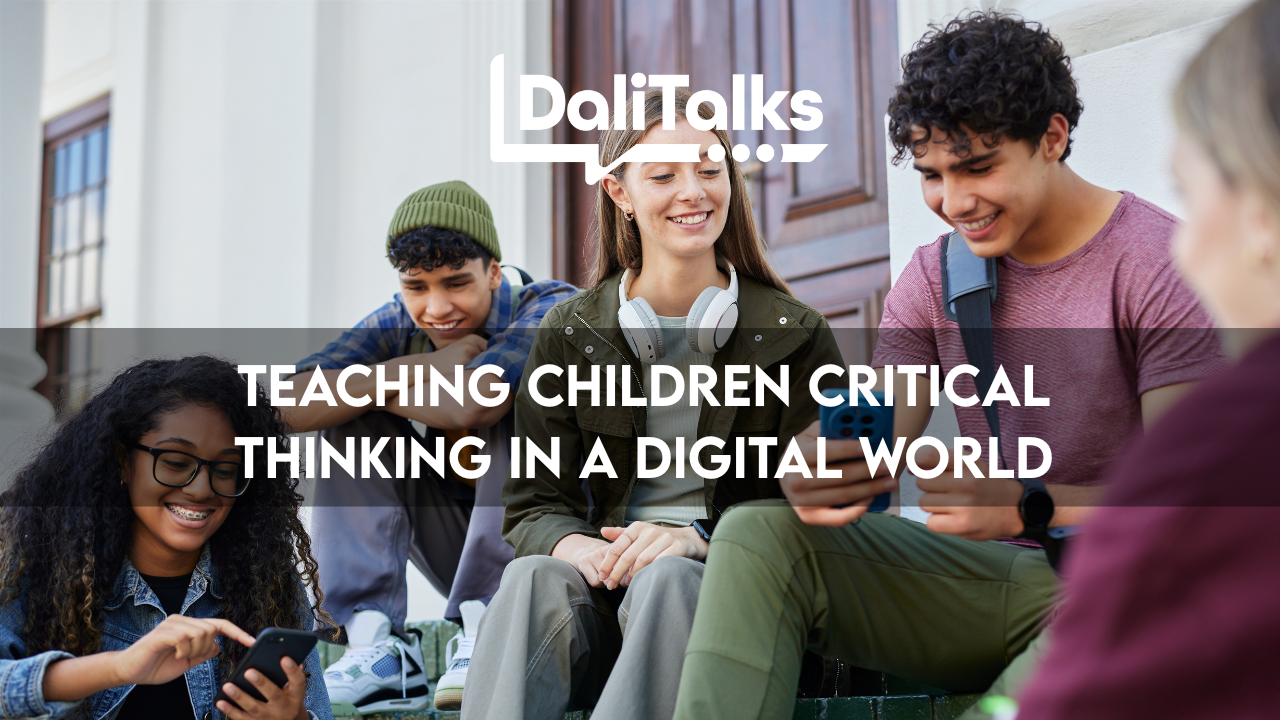
Children today are growing up in a world where information is everywhere. With one tap, swipe, or search, kids can access news, opinions, videos, and stories from across the globe. While this access can be empowering, it also comes with risks.
Not everything kids see online is true. Some information is misleading, exaggerated, or intentionally harmful. Without guidance, children may believe false information, spread rumors, or unintentionally participate in social bullying.
Teaching kids to become media savvy is no longer optional. It is an essential life skill that supports confidence building, bullying prevention, emotional regulation, and healthy decision-making.
Why Media Literacy and Critical Thinking Matter
Children are constantly exposed to messages through social media, video platforms, group chats, and online games. These messages shape how they see themselves and others.
When kids are not taught how to evaluate what they see and hear, they are more vulnerable to:
- Beli...

How to Support Your Child’s Success During The School Year
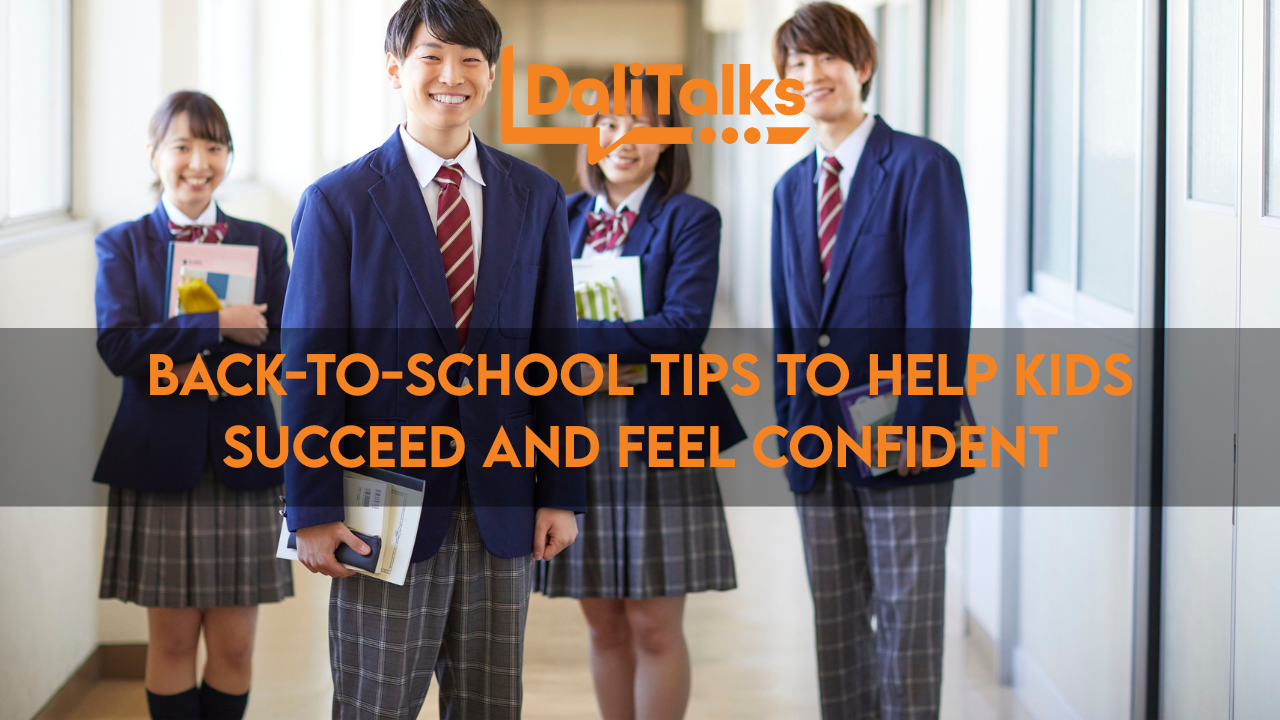
As summer ends and a new school year approaches, excitement and anxiety often mix for kids and parents alike. New routines, friendships, and academic challenges can feel overwhelming. The good news is that thriving in school is not about perfection. It is about preparation, support, and connection.
Here are six practical strategies to help your child succeed and feel confident, safe, and supported this school year.
1. Establish a Routine Early
Summer schedules often shift later bedtimes and relaxed mornings. Returning to school is smoother when routines are reestablished gradually.
Tips:
- Start adjusting bedtimes and wake-up times a couple of weeks before school starts
- Create a calm morning routine including breakfast and a few minutes of quiet preparation
- Consistency helps reduce anxiety, improve focus, and create emotional safety
2. Address Academic Concerns
Academic worries can create stress, especially with new grades or subjects. Early support prevents frustration from...
What can we change to promote equity and equality?

According to the official International Women’s Day website, March 8 is “a global day celebrating the social, economic, cultural, and political achievements of women. The day also marks a call to action for accelerating women's equality.”
Let’s talk about what that looks like—not just on social media or in speeches—but in everyday choices, especially at home.
🎯 Real Ways to Support Women and Advance Equality
Equality doesn’t just come from new laws—it comes from changing the stories we live and pass down.
Here’s how you can take action today (and every day):
✅ Vote against laws that hold women back
✅ Mentor girls and women in your community
✅ Support victims of abuse—believe them and uplift them
✅ Stop victim shaming in any form
✅ Shop with and donate to women-owned businesses
✅ Contribute to a young woman’s education or tuition fund
✅ Learn about women’s history—not just in March, but year-round
✅ Pay women fair, competitive wages for their work
But there’s one more powerful thi...

The Lie Kids Are Taught About Snitching
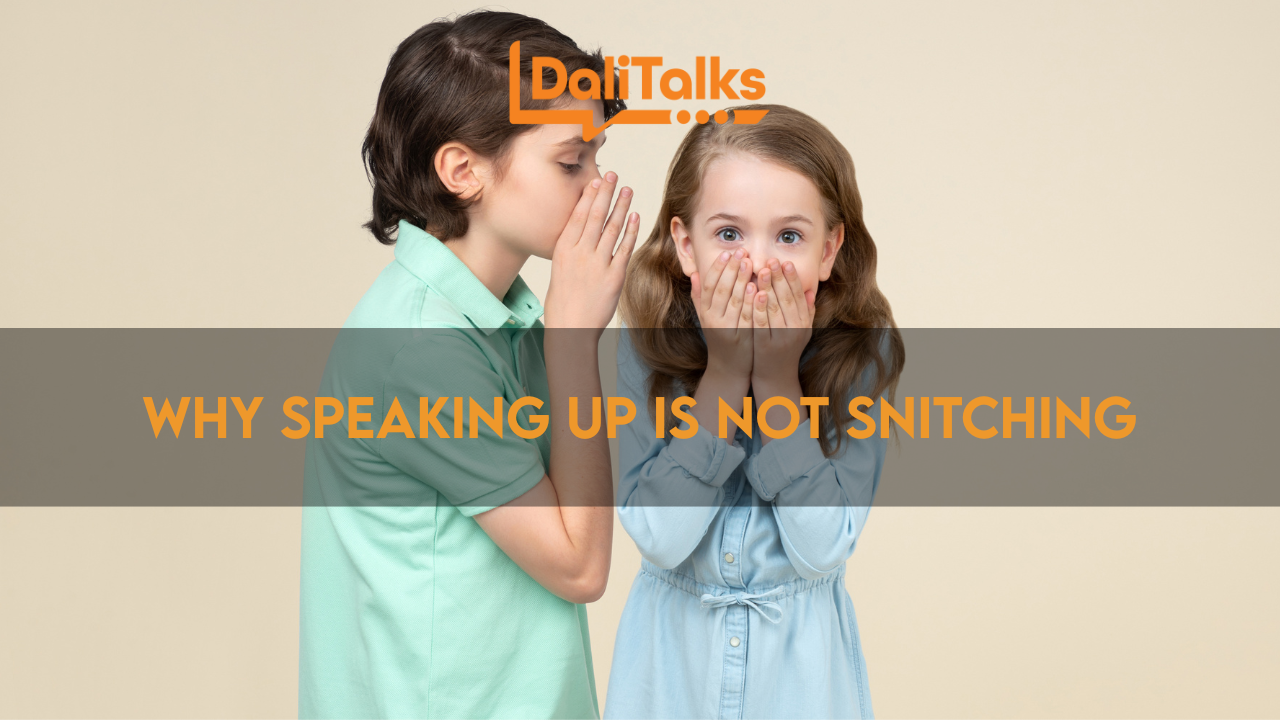
Why the Phrase “Snitches Get Stitches” Is So Dangerous
Most of us have heard the phrase “snitches get stitches.” It is often said casually, joked about, or passed down as a rule of loyalty.
But pause for a moment and really think about what that phrase teaches children.
It teaches silence over safety. Fear over responsibility. Compliance over compassion.
What many people fail to understand is that reporting harm is not snitching. When someone speaks up to protect themselves or others, they are seeking safety, not punishment.
The Reality of Bystanders and Bullying
Research consistently shows that bystander intervention is far less common than it should be. Many students witness bullying, harassment, or harmful behavior and choose not to report it or intervene.
Schools and organizations work hard to encourage students to speak up, yet the fear of being labeled a “snitch” often outweighs the desire to do what is right.
This culture of silence does not exist by accident. It is rein...
5 Tips To Nurture Your Child's Mental Well-Being
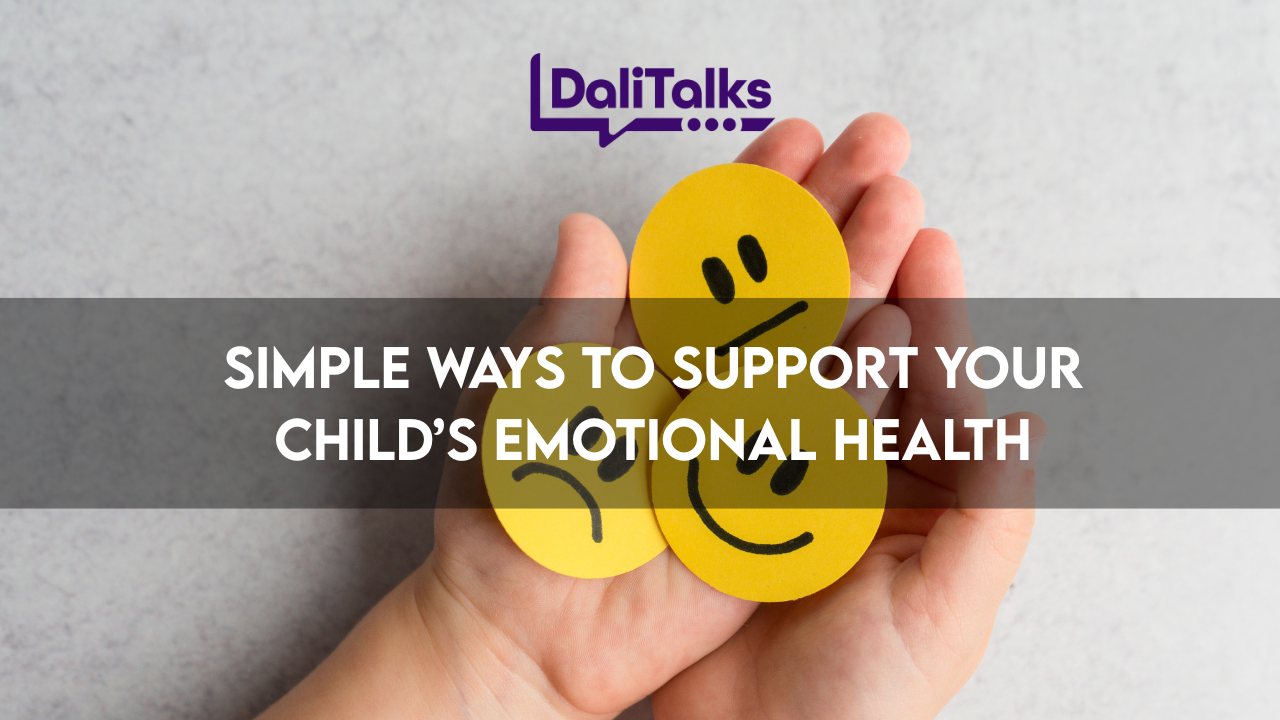
How are you really doing now that the school season is back?
As routines pick up, pressure increases for kids socially, emotionally, and academically. Many parents are noticing something different about this generation of children.
They spend more time indoors.
They are constantly on screens.
They are more withdrawn, anxious, and overwhelmed.
Recently, I asked my teens to spend just one hour outside without devices. I expected a walk, maybe a little boredom-induced creativity.
Instead, they sat by the front door the entire hour.
That moment was funny, but also eye-opening.
The Issue: Kids Are Struggling Quietly
Research shows that even 15 minutes outside in nature can reduce anxiety, depression, and emotional overload. Yet many kids spend most of their time isolated in their bedrooms, absorbing content that overstimulates their nervous systems and limits real connection.
When mental health needs go unnoticed, children may:
- Withdraw socially
- Struggle with confidence
- Experienc...
1 in 50 Kids Are Victims of Identity Theft: How Oversharing Puts Children at Risk

|
Kids aware of world news experience more anxiety

Kids are more in tune with world affairs than you might realize. As a matter of fact, there has been a rise in minors using Twitter to keep up with the news.
While it’s great that they’re interested in staying up to date, kids can get more and more anxious and fearful.
So, although they might seem ok or unphased about what’s going on, start asking questions. The first thing you want to know is how much they know.
Before you start this conversation with them, consider a game plan. You might be surprised about what they could tell you.
✅ First of all, ask open-ended questions. Example: What have your friends been sharing about the conflict in Ukraine? How do you and your friends feel about the school shootings in the U.S.?
✅ Validate their feelings. Kids have a right to feel what they feel because their emotions are real to them.
✅ Answer their questions with the truth. When you do this, adjust your language to their age appropriateness. Sometimes when we give too much i...
