
Spot Hidden Bullying Signs Before It’s Too Late
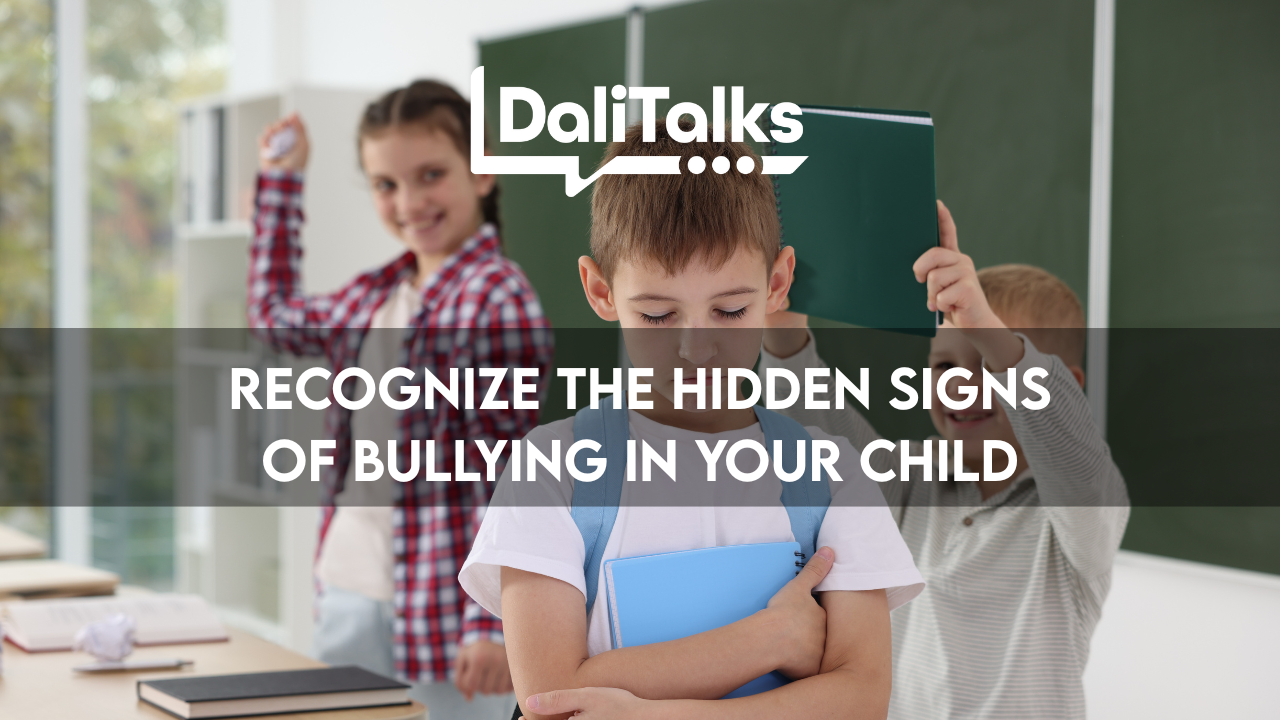
Bullying can leave deep emotional and physical scars and sometimes parents don’t realize it’s happening until the damage is already severe.
Recently, a parent shared her story. She had no idea her child was being bullied consistently for over a year. By the time she discovered the truth, her child was experiencing panic attacks, insomnia, frequent illness, and extreme anxiety about attending school.
Even more heartbreaking, some teachers had been part of the bullying.
This story is a powerful reminder: parents must actively listen, observe, and ask the right questions to protect their children.
Why Hidden Bullying Can Go Unnoticed
Children often hide bullying for many reasons:
- Fear of retaliation or escalating the situation
- Feeling ashamed or embarrassed
- Not knowing how to explain the problem
- Assuming adults won’t understand or help
Parents may also misread early warning signs or downplay incidents, thinking they aren’t “serious enough.” Unfortunately, bullying can escalate quickly, and emotional, social, and physical symptoms can manifest before adults realize what’s happening.
Key Symptoms to Watch For
Bullying can affect children in visible and subtle ways. Watch for:
- Emotional signs: sadness, irritability, withdrawal, or sudden mood swings
- Physical signs: headaches, stomach aches, frequent illness, or panic attacks
- Behavioral signs: avoiding school or social situations, sudden drop in grades, secretive phone or social media use
- Social signs: difficulty making friends, sudden loss of friendships, or reluctance to engage in activities
Even if a child doesn’t explicitly say they’re being bullied, these behaviors can signal trouble.
How Parents Can Ask the Right Questions
Sometimes it’s not about asking if bullying is happening, it’s about how to ask so children feel safe answering:
- Use open-ended questions: “Can you tell me about your day?” instead of yes/no questions
- Repeat questions in different ways to encourage honesty
- Pay attention to keywords or subtle language cues that indicate discomfort or fear
- Encourage them to describe interactions with peers, teachers, or school staff
Validate their feelings: “It sounds like that was really hard for you” rather than dismissing concerns
Asking consistent, compassionate questions can help uncover hidden bullying and prevent long-term emotional harm.
The Importance of Early Intervention
Early recognition is crucial. Addressing bullying quickly can:
- Reduce anxiety, depression, and physical symptoms
- Help children regain confidence and social skills
- Prevent escalation into more severe mental health issues
- Empower children to advocate for themselves and seek support
Parents are the first line of defense, and learning to spot subtle warning signs can make all the difference.
Parents are the first line of defense, and learning to spot subtle warning signs can make all the difference.
If you don’t know about keywords, how to ask questions, or the signs of different types of bullying, get a copy of “YOUR GUIDE TO BULLYING PREVENTION” through my website.

You won’t regret it! And if you need more help, schedule a consultation with me here.
Remember, it’s never too late to inform yourself. You need this information before, during, and after any bullying incident.
