
6 Things to Consider Before Giving Your Child a Smartphone
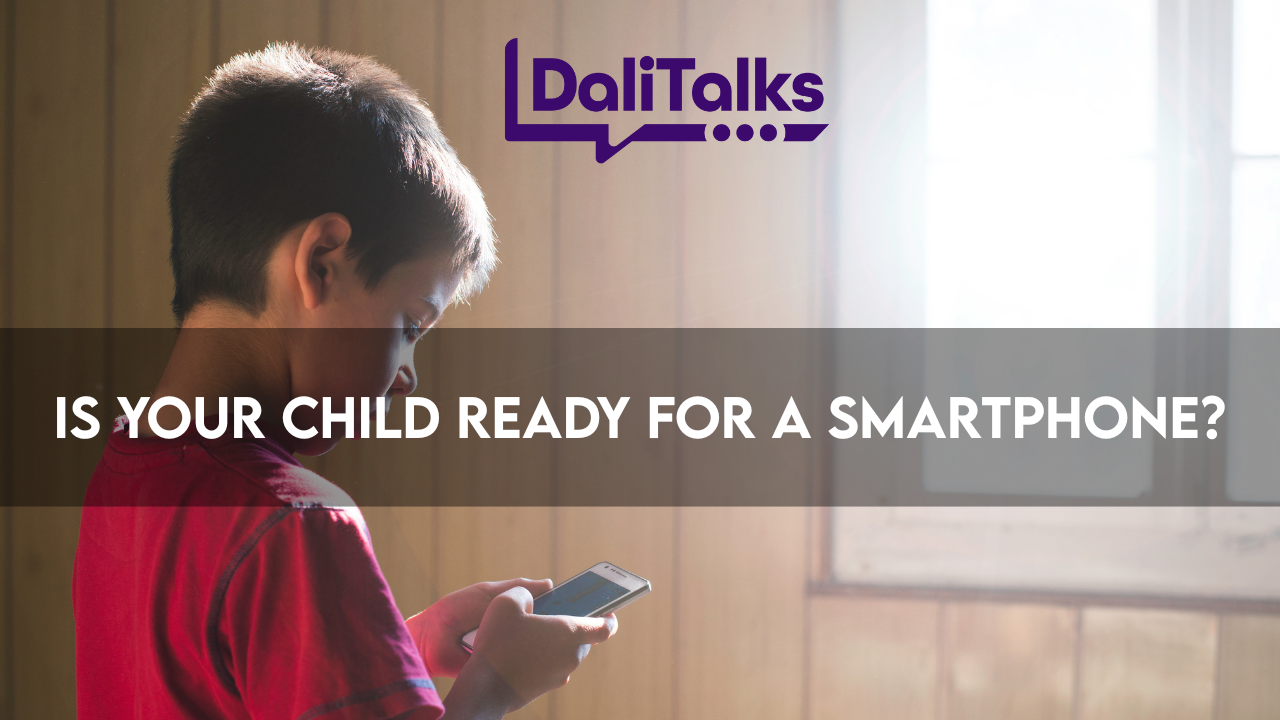
My oldest child was born the same year the iPhone was first released. At the time, many people thought smartphones might be a passing trend.
Here we are years later, watching adults scroll through phones in grocery lines and restrooms, and raising children who have never known a world without smart devices.
That reality alone is worth pausing over.
Today’s kids are being introduced to technology earlier than ever. A 2017 survey by Common Sense Media found that by age 11, more than half of children had their own smartphone, and by age 12, nearly 70 percent did.
With that access comes exposure to information children are often not emotionally prepared to handle.
Early Exposure Comes With Real Risks
Many parents are surprised to learn that the average child in the United States is accidentally exposed to explicit content between the ages of seven and eight.
Add to that the fact that many children experience online bullying, social pressure, or unsafe interactions long before they know how to recognize or report them.
Technology itself is not the problem.
Readiness and guidance are.
Before giving your child a device with unrestricted internet access, here are six important things to think through.
1. Know Your Why
Start by asking yourself why your child needs a smartphone.
Is it for safety and communication?
Is it for convenience?
Is it because “everyone else has one”?
If the primary reason is location tracking or basic communication, there are kid-friendly watches and devices designed for that purpose. Many allow calls and texts only from approved contacts without full internet access.
2. Consider Emotional Maturity
If your child encounters graphic, violent, or disturbing content, will they be able to tell you and process it in a healthy way?
Or are they more likely to internalize fear, shame, anxiety, or confusion?
Emotional maturity matters just as much as age when it comes to online access.
3. Will They Know What to Report?
Most children are not formally taught online safety, cyber awareness, or what healthy digital communication looks like.
Without guidance, how would they know:
- When a message crosses a line
- When someone is manipulating or targeting them
- When something feels wrong but they cannot name why
Before handing over a device, children need education, not just rules.
4. Is Your Child Ready for Responsibility?
A smartphone is a big responsibility, financially and emotionally.
Repairs are expensive. Phone plans add up. Devices get lost, broken, or damaged.
Financial expert Dave Ramsey recommends that children save money toward device costs to understand responsibility and value. Parents should also consider insurance, repair costs, and ongoing plans before committing.
5. Are You Prepared to Stay Involved?
Monitoring a child’s online activity is not a one-time conversation. It is ongoing.
Children are often careless with personal information, making them vulnerable to identity theft and scams. Parents need to:
- Learn the platforms their child uses
- Adjust privacy settings
- Consider monitoring tools
- Stay aware of logins and passwords
This requires time, energy, and consistency.
6. Create a Clear Device Agreement
If you decide your child is ready, consider creating a simple device agreement.
This can include:
- Screen time limits
- Where and when devices can be used
- What content is allowed
- Reporting expectations
- Clear consequences and how privileges can be earned back
This is not about control. It is about clarity.
It Is Never Too Late to Set Boundaries
If your child already has a device, it is not too late to implement boundaries, conversations, and safety measures.
Children may push back. That is normal.
Remember this: it is better to be the parent whose child is frustrated about limits than the parent dealing with identity theft, exploitation, or unsafe online situations.
Support for Families Navigating Digital Safety
DaliTalks LLC and the Diversity & Anti-Bullying Academy (#DABA) offer education and support for parents navigating technology, online safety, confidence building, and emotional well-being.
Through courses, workshops, consultations, and parent resources, families can feel more confident setting boundaries that protect children while still building trust.
