
10 Prompts to Help Kids Create Gossip-Free Friendships
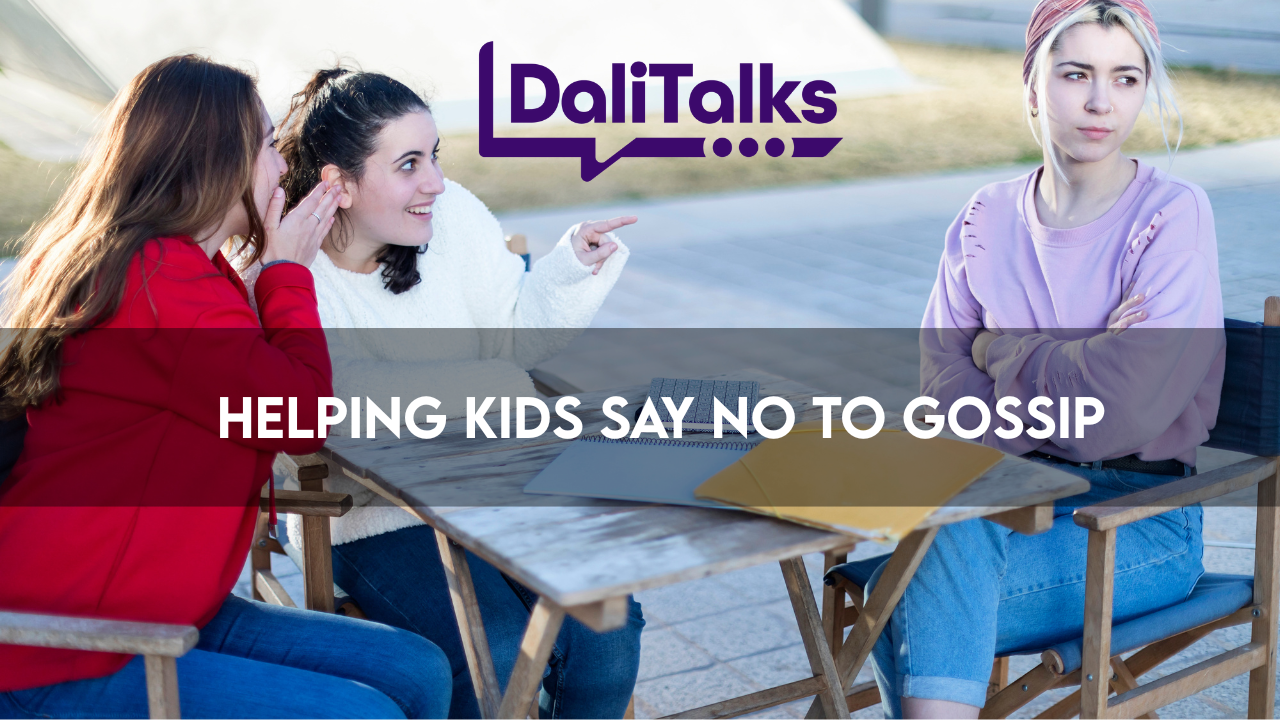
One of the most common and harmful ways children hurt one another is through gossip.
Gossip is a form of social bullying. It can happen in person or online, and it often flies under the radar because it is disguised as conversation or curiosity.
Social bullying damages reputations and relationships. It can look like spreading rumors, encouraging others to exclude someone, sabotaging friendships, or quietly turning peers against a child.
Why Teaching Kids Not to Be an Audience Matters
One of the most effective ways to stop gossip is to stop giving it an audience.
When kids refuse to listen, gossip loses its power. The person initiating it often feels uncomfortable or embarrassed, and the behavior tends to stop.
This matters because children are often more influenced by peer reactions than by adult rules or lectures.
When peers show disinterest in gossip, it sends a strong message that this behavior is not valued.
Why Kids Gossip
Understanding why kids gossip helps adults respond with guidance instead of punishment.
Children may engage in gossip for many reasons, including:
- Seeking power or attention
Gossip can make kids feel important or influential. A disinterested audience removes that incentive. - Trying to protect friends
Some kids listen quietly because the gossip involves someone they care about and they feel torn about what to do. - Attempting to bond or make conversation
If healthy communication has not been modeled, gossip may feel like the easiest way to connect. - Wanting social acceptance
Gossip can be a shortcut to fitting in or being included in a group. - Curiosity about others
Kids are naturally curious about social dynamics and relationships. - Peer pressure
If gossip is normalized in a group, kids may participate to avoid becoming the next target. - Developing empathy skills
Children are still learning how their words affect others and may not fully understand the emotional impact of gossip.
It is also important to remember that gossip is often inaccurate. Stories change as they are passed along, leading to misunderstandings and unnecessary harm.
Teaching Kids Healthier Ways to Respond
Parents and educators play a key role in helping kids learn how to disengage from gossip without escalating conflict.
Instead of telling kids simply “don’t gossip,” it is more effective to give them language they can actually use in the moment.
This builds confidence, emotional awareness, and social skills.
10 Prompts to Help Kids Refuse Gossip
Practicing responses ahead of time makes it easier for kids to act when it matters.
Here are examples of the types of prompts children can learn and practice:
- “I don’t feel comfortable talking about someone who isn’t here.”
- “Let’s talk about something else.”
- “I’d rather not be part of this conversation.”
- “How would you feel if someone said that about you?”
- “That sounds private. Maybe we shouldn’t share it.”
These simple responses help kids step away without shaming others or drawing unwanted attention to themselves.
A Tool to Make This Easier
To support families and educators, I created a cheat sheet with 10 ready-to-use prompts that help kids build gossip-free zones in their friendships.
Practice these prompts with your child so they feel prepared and confident when gossip comes up.
👉 Download the cheat sheet here.
Why This Matters
Teaching kids how to refuse gossip is not just about stopping hurtful behavior. It is about helping them build empathy, confidence, and respectful communication skills that will serve them throughout their lives.
When children learn to disengage from gossip, they help create safer, kinder environments for everyone.
