
What Attachment Styles Tell Us About Bullying
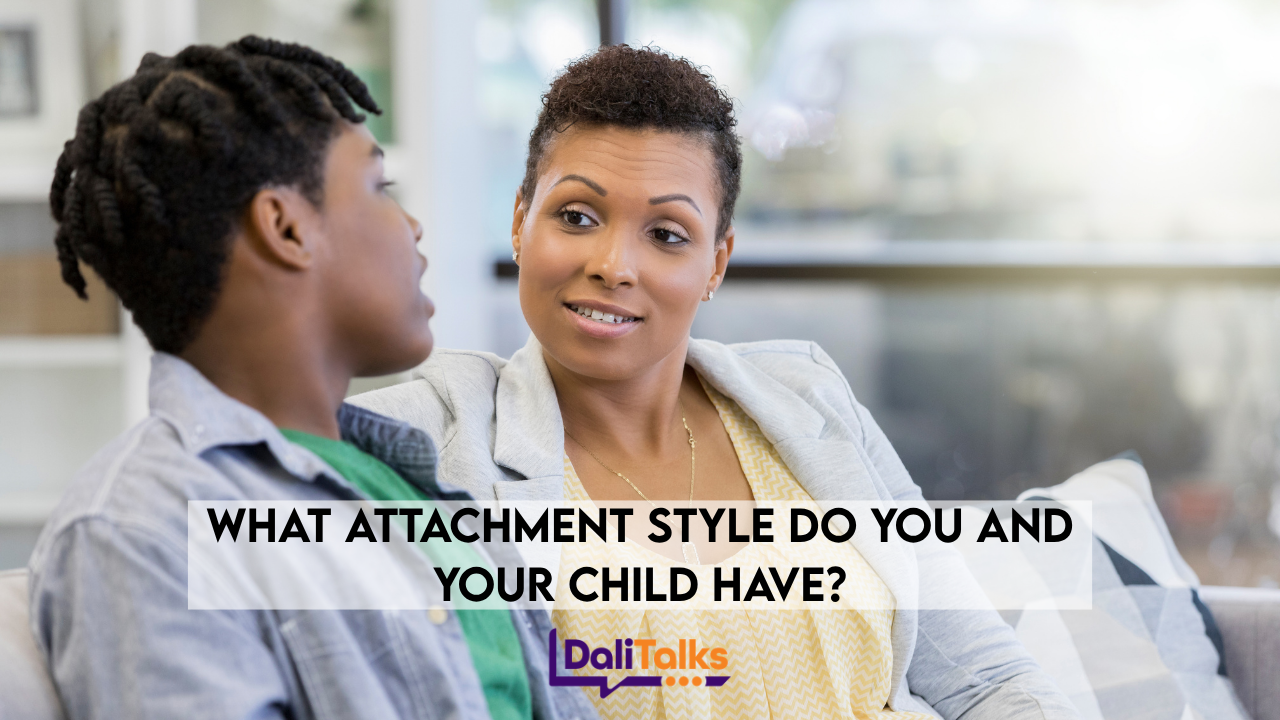
When we talk about bullying, we tend to focus on the behavior itself. The name-calling. The exclusion. The aggression on the playground or in the group chat. But if we really want to understand where bullying comes from, and how to stop it at the root, we have to be willing to look a little deeper.
Attachment theory gives us a powerful lens for doing exactly that.
Bev Mitelman, certified relationship and attachment trauma practitioner and founder of Securely Loved, joined the DaliTalks Podcast this week to walk us through the four attachment styles and how they form in early childhood. And what she shared has everything to do with why some kids become bullies, why others become targets, and why so many children who struggle socially are not acting out of malice but out of fear.
The connection between attachment and behavior at school
A child who grows up with an anxious attachment style has a core wound rooted in the fear of abandonment. They learned early that love and attention a...
5 Tips To Nurture Your Child's Mental Well-Being
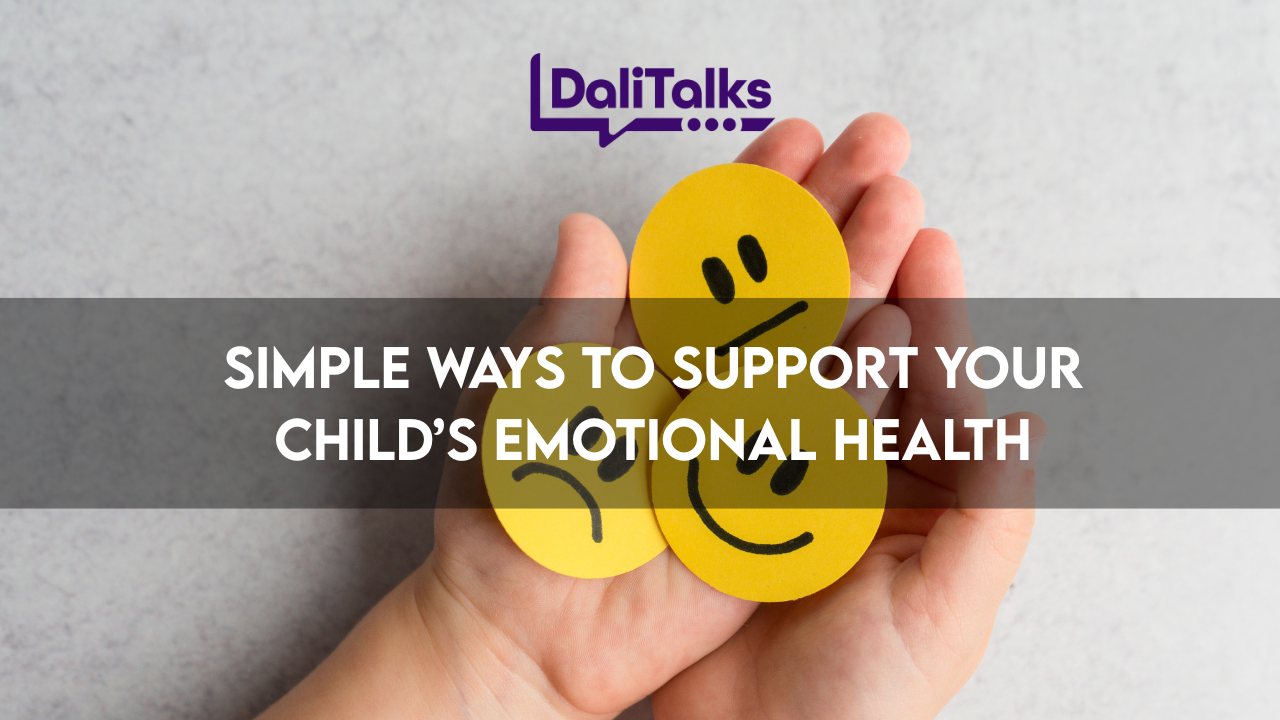
How are you really doing now that the school season is back?
As routines pick up, pressure increases for kids socially, emotionally, and academically. Many parents are noticing something different about this generation of children.
They spend more time indoors.
They are constantly on screens.
They are more withdrawn, anxious, and overwhelmed.
Recently, I asked my teens to spend just one hour outside without devices. I expected a walk, maybe a little boredom-induced creativity.
Instead, they sat by the front door the entire hour.
That moment was funny, but also eye-opening.
The Issue: Kids Are Struggling Quietly
Research shows that even 15 minutes outside in nature can reduce anxiety, depression, and emotional overload. Yet many kids spend most of their time isolated in their bedrooms, absorbing content that overstimulates their nervous systems and limits real connection.
When mental health needs go unnoticed, children may:
- Withdraw socially
- Struggle with confidence
- Experienc...
What to Do If Your Child Is the One Bullying Others
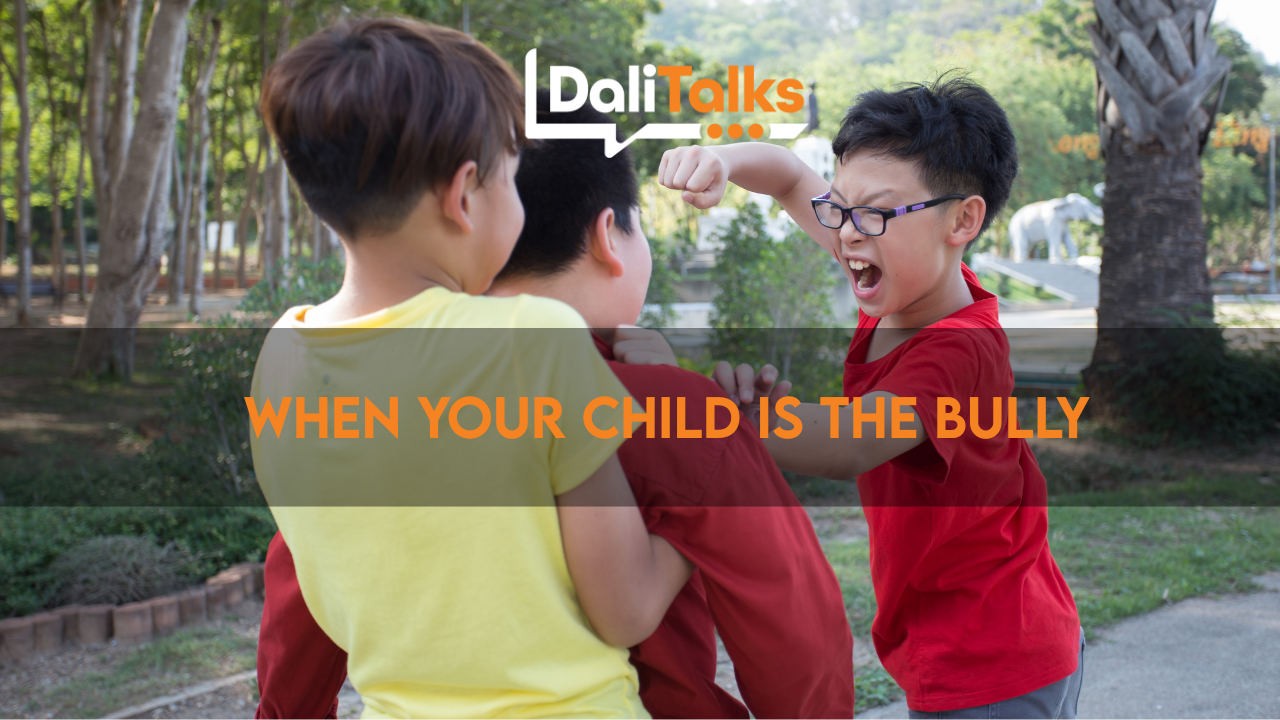
What did you believe about bullies when you were growing up?
I will be honest. Before I began researching bullying deeply, I believed that kids who bullied others were simply not being parented well.
I know. Judgy.
I assumed they were mirroring behavior they saw at home or copying an older sibling or family member. I thought bullies were just “bad kids” who enjoyed making others miserable.
And no one ever challenged that belief.
No one ever talked to me about bullying or the kids behind the behavior.
What I have learned since then completely changed my perspective.
Bullies Are Still Kids Who Are Learning
The truth is this.
Children who bully are still children.
They are not defined by their behavior. They are often kids who have not yet learned how to manage big emotions, navigate stress, or cope with hurt in healthy ways.
That does not excuse the behavior.
But it does change how we respond to it.
Not all children bully for the same reasons. Some act out because they are overwhe...
Helping Kids Process World Events Without Fear or Anxiety
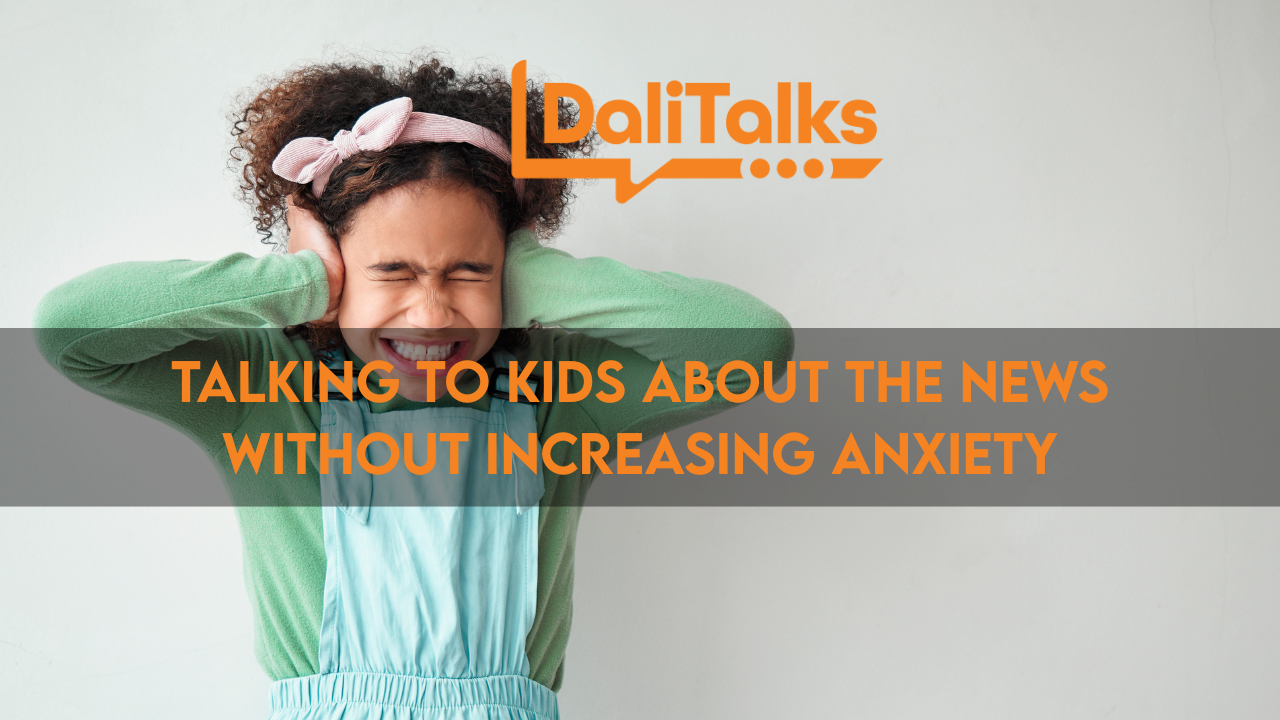
It’s been a heavy week, hasn’t it?
The news can be overwhelming for all of us. Recent events like the tragic shootings in Uvalde, Texas highlight how heavy the headlines can feel. Parents often feel the urge to protect their children by shielding them from the news. While this instinct comes from love, it’s important to remember: children are already aware of what’s happening, often through social media or conversations with peers.
Even when kids seem calm, they may carry fears and confusion. Checking in with them regularly helps ensure they feel safe, heard, and supported.
Why Talking About World Problems Matters
Children are naturally curious about the world. Ignoring difficult topics does not make them safer, it can lead to misinformation, heightened anxiety, and feelings of isolation.
When parents and guardians talk openly, they provide:
- Clarity – helping children separate fact from rumor
- Reassurance – showing that adults are actively thinking about safety
- Empowerment – ...
