
What to Do If Your Child Is the One Bullying Others
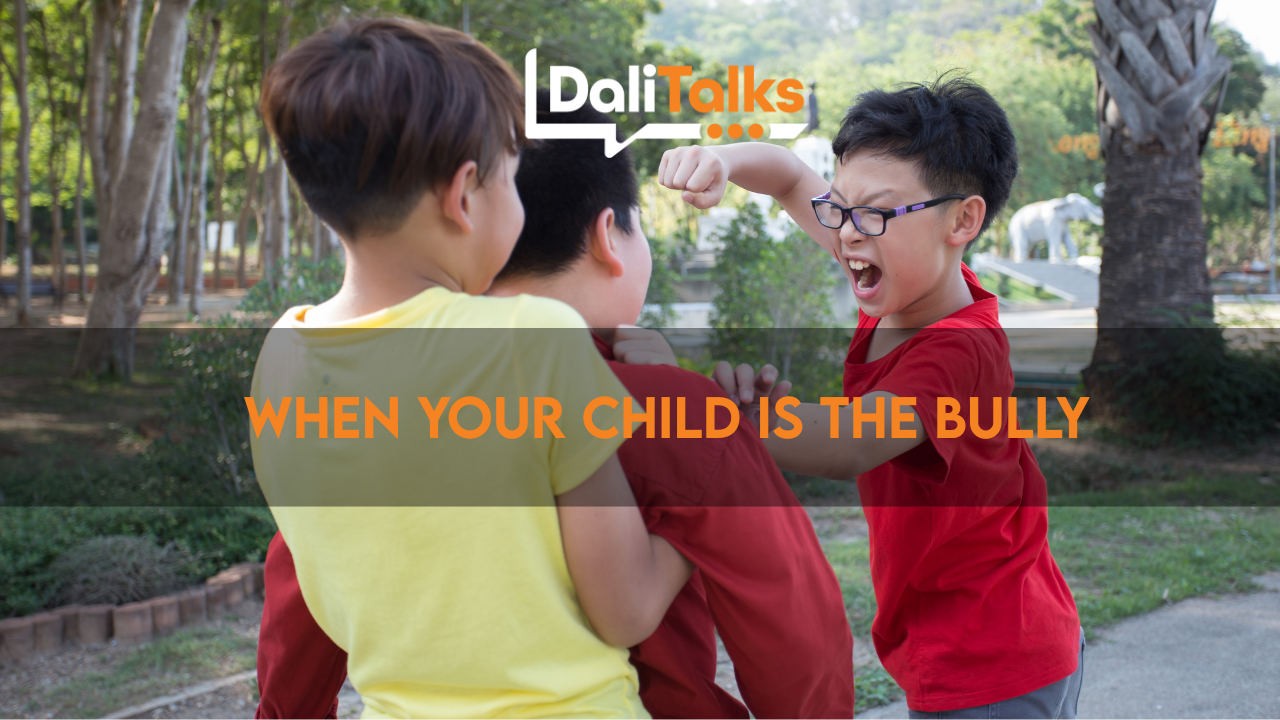
What did you believe about bullies when you were growing up?
I will be honest. Before I began researching bullying deeply, I believed that kids who bullied others were simply not being parented well.
I know. Judgy.
I assumed they were mirroring behavior they saw at home or copying an older sibling or family member. I thought bullies were just “bad kids” who enjoyed making others miserable.
And no one ever challenged that belief.
No one ever talked to me about bullying or the kids behind the behavior.
What I have learned since then completely changed my perspective.
Bullies Are Still Kids Who Are Learning
The truth is this.
Children who bully are still children.
They are not defined by their behavior. They are often kids who have not yet learned how to manage big emotions, navigate stress, or cope with hurt in healthy ways.
That does not excuse the behavior.
But it does change how we respond to it.
Not all children bully for the same reasons. Some act out because they are overwhelmed, confused, seeking attention, protecting themselves, or trying to survive in environments where they feel powerless.
Others lash out because they have never been taught emotional regulation or empathy skills.
Why Social Emotional Learning Matters
You may have heard the terms social emotional skills or social emotional learning, often called SEL.
SEL refers to the development of:
- Self-awareness
- Emotional regulation
- Empathy
- Impulse control
- Healthy communication
These skills are essential for school, relationships, and life.
When children are not taught how to manage emotions like frustration, jealousy, embarrassment, or fear, those emotions often come out sideways through aggression, belittling others, or physical behavior.
Sometimes a child believes the only way to avoid being bullied is to become the bully.
Signs Your Child May Be Bullying Others
If you suspect your child may be engaging in bullying behavior, observation matters.
Pay attention to:
- How your child talks about others
- How peers respond to your child
- How adults at school refer to your child
If you volunteer at school, notice patterns. Do other children avoid sitting near your child? Do peers appear anxious or fearful around them? Are labels being used like “the problem kid” or “the mean kid”?
Also reflect on confidence versus arrogance.
Some highly intelligent or advanced children become frustrated when others cannot keep up. That frustration can turn into belittling or dismissive behavior if not guided properly.
Address the Behavior Directly and Calmly
If you know your child has bullied someone, address it head-on.
Be direct and grounded.
For example:
“I saw that you were bullying a classmate in math class. Can you tell me what was going on for you in that moment?”
Give your child space to explain. Some children are unaware their behavior is harmful. Others know it is wrong but do not know how to stop.
If needed, seek support from a mental health professional.
Set Clear Expectations and Natural Consequences
Be clear about what you expect moving forward.
If your child has been insulting others, clearly state that this behavior must stop and explain what respectful behavior looks like instead.
For example, rather than calling someone stupid, encourage patience, collaboration, or even mentorship.
Focus on consequences, not punishment.
Consequences help children connect actions to outcomes. Punishment often creates shame and defensiveness.
Examples of consequences may include:
- A face-to-face apology
- Meeting with school administrators
- Loss of privileges tied directly to the behavior
What matters most is that your child is given the opportunity to:
- Reflect on their behavior
- Help create a solution
- Practice better choices moving forward
Growth Takes Time and Repetition
Helping children grow emotionally is ongoing work.
One conversation is not enough.
The frontal cortex of the brain, which controls decision-making, empathy, and impulse regulation, is not fully developed until:
- Mid-20s for girls
- Late 20s for boys
Until then, children and teens are often driven by emotion and impulsivity rather than logic.
This is why consistency, patience, and repeated conversations matter so much.
A Final Reminder for Parents
If your child is struggling with bullying behavior, it does not mean you have failed.
It means your child needs guidance, skills, and support.
- Lead with love.
- Stay patient.
- Be consistent.
Children have the gift of time to learn, grow, and change when adults are willing to guide them.
If you need support navigating difficult conversations, understanding emotional development, or advocating for your child, DaliTalks LLC and the Diversity & Anti-Bullying Academy (#DABA) offer parent consultations, workshops, and educational resources to help families move forward with clarity and confidence.
