
How Misinformation Fuels Bullying and How Kids Can Fight Back
Bullying today isn’t limited to playgrounds or classrooms. It follows children online—through social media, group chats, and shared content. And often, misinformation and fake news are the catalysts.
A rumor, half-truth, or deliberately false story can escalate quickly, turning harmless misunderstandings into emotional harm and social exclusion. Kids who don’t pause to think critically before believing or sharing information may unknowingly participate in bullying.
Misinformation vs. Fake News
Understanding the difference is the first step in prevention:
Misinformation – False or inaccurate information shared unintentionally. For example, a child repeating a rumor they didn’t know was untrue.
Fake News – Deliberately false information designed to mislead, embarrass, or manipulate. For example, a fabricated story about a student circulated to isolate them or ruin their reputation.
Both types of content can fuel bullying and harm emotional well-being.
Why This Matters for Kids
Ch...
From Bystander to Upstander: Teaching Kids Moral Courage
We’re living in a time when bullying, discrimination, and dehumanization are on full display—in schools, online, and even in positions of power. But what scares me more than the actions of bullies... is the silence of bystanders.
We are living in a time when bullying, discrimination, and dehumanization are visible everywhere. They show up in schools, online spaces, workplaces, and even in positions of authority. What is often most damaging is not the behavior itself, but the silence that surrounds it.
Silence teaches children and adults that staying quiet is safer than doing what is right. Over time, this silence becomes normalized, and harm continues unchecked.
Understanding the bystander effect is critical if we want to raise confident, compassionate, and bully-proof kids.
A Story That Reveals the Power of Silence
A woman recently shared a story from when she was sixteen years old that captures the bystander effect in a powerful way.
Her classroom desks were arranged in a circl...
Friendship Beyond Labels: Helping Kids Choose Real Friends
School environments are full of trends. One week it is a must-have sneaker. The next week it is a new brand, hairstyle, or social status marker. While trends change constantly, the pressure to fit in can deeply affect how children choose their friends.
Many kids feel they must look a certain way or own certain things to be accepted. This pressure can lead to shallow friendships, exclusion, and social bullying. Helping kids understand the difference between real friendships and trend-based connections is essential for raising confident, bully-proof kids.
Why Character Matters More Than Labels
In a world shaped by marketing and social media, children often receive the message that appearance and possessions define value. Over time, this belief can affect self-esteem and peer relationships.
True friendships are not built on brands, popularity, or status. They are built on trust, kindness, and shared experiences. When children learn to value character over appearance, they are more lik...
Media Savvy Kids: Teaching Critical Thinking in a Digital World
Children today are growing up in a world where information is everywhere. With one tap, swipe, or search, kids can access news, opinions, videos, and stories from across the globe. While this access can be empowering, it also comes with risks.
Not everything kids see online is true. Some information is misleading, exaggerated, or intentionally harmful. Without guidance, children may believe false information, spread rumors, or unintentionally participate in social bullying.
Teaching kids to become media savvy is no longer optional. It is an essential life skill that supports confidence building, bullying prevention, emotional regulation, and healthy decision-making.
Why Media Literacy and Critical Thinking Matter
Children are constantly exposed to messages through social media, video platforms, group chats, and online games. These messages shape how they see themselves and others.
When kids are not taught how to evaluate what they see and hear, they are more vulnerable to:
- Beli...
How to Support Your Child’s Success During The School Year
As summer ends and a new school year approaches, excitement and anxiety often mix for kids and parents alike. New routines, friendships, and academic challenges can feel overwhelming. The good news is that thriving in school is not about perfection. It is about preparation, support, and connection.
Here are six practical strategies to help your child succeed and feel confident, safe, and supported this school year.
1. Establish a Routine Early
Summer schedules often shift later bedtimes and relaxed mornings. Returning to school is smoother when routines are reestablished gradually.
Tips:
- Start adjusting bedtimes and wake-up times a couple of weeks before school starts
- Create a calm morning routine including breakfast and a few minutes of quiet preparation
- Consistency helps reduce anxiety, improve focus, and create emotional safety
2. Address Academic Concerns
Academic worries can create stress, especially with new grades or subjects. Early support prevents frustration from...
The Lie Kids Are Taught About Snitching
Why the Phrase “Snitches Get Stitches” Is So Dangerous
Most of us have heard the phrase “snitches get stitches.” It is often said casually, joked about, or passed down as a rule of loyalty.
But pause for a moment and really think about what that phrase teaches children.
It teaches silence over safety. Fear over responsibility. Compliance over compassion.
What many people fail to understand is that reporting harm is not snitching. When someone speaks up to protect themselves or others, they are seeking safety, not punishment.
The Reality of Bystanders and Bullying
Research consistently shows that bystander intervention is far less common than it should be. Many students witness bullying, harassment, or harmful behavior and choose not to report it or intervene.
Schools and organizations work hard to encourage students to speak up, yet the fear of being labeled a “snitch” often outweighs the desire to do what is right.
This culture of silence does not exist by accident. It is rein...
Goal-Setting Tips for Families and Kids
Spring is here, and for many of us, April marks the beginning of the second quarter, a perfect time to pause, reflect, and realign our goals. Whether you’re celebrating Easter, Ramadan, Passover, or simply enjoying the season, this is an opportunity to recharge and refocus your energy.
Goal-setting isn’t just for adults. Involving children in personal and family goal planning teaches them invaluable skills: confidence, self-awareness, perseverance, and how to celebrate progress, important elements in raising confident, bully-proof kids.
Why Reflection Matters
Taking time to reflect allows you to:
- Clarify what’s working and what’s not in your personal or professional goals
- Adjust strategies to stay on track for the next quarter
- Celebrate wins, even small ones, to build momentum
- Teach children how planning and reflection lead to growth and resilience
Reflection is not just a productivity tool; it’s a mindset. When kids see adults reflect, plan, and celebrate, they learn that ...
3 Ways to Practice Forgiveness and Let Go of Emotional Pain

If you are carrying pain caused by someone you cannot bring yourself to forgive, this is for you.
I recently found myself reflecting deeply on forgiveness while reading You Are a Badass by Jen Sincero. Her words stirred memories of my own struggles with forgiving people who had hurt me in ways that changed how I moved through the world.
I do not believe there is a single person who has lived without experiencing emotional pain. The impact of that pain varies, but some wounds run so deep that they shape how we trust, how we love, and how we protect ourselves.
For me, betrayal created walls. I would trust people only partway, maybe 80 or 90 percent, but never fully. At the time, I told myself I was being cautious. In reality, I was afraid.
What Forgiveness Is Not
Many people resist forgiveness because it is misunderstood.
Forgiveness does not mean:
- Saying what happened was acceptable
- Allowing someone back into your life
- Giving permission for the behavior to continue
- Forgettin...
What to Do If Your Child Is the One Bullying Others
What did you believe about bullies when you were growing up?
I will be honest. Before I began researching bullying deeply, I believed that kids who bullied others were simply not being parented well.
I know. Judgy.
I assumed they were mirroring behavior they saw at home or copying an older sibling or family member. I thought bullies were just “bad kids” who enjoyed making others miserable.
And no one ever challenged that belief.
No one ever talked to me about bullying or the kids behind the behavior.
What I have learned since then completely changed my perspective.
Bullies Are Still Kids Who Are Learning
The truth is this.
Children who bully are still children.
They are not defined by their behavior. They are often kids who have not yet learned how to manage big emotions, navigate stress, or cope with hurt in healthy ways.
That does not excuse the behavior.
But it does change how we respond to it.
Not all children bully for the same reasons. Some act out because they are overwhe...
Helping Kids Process World Events Without Fear or Anxiety
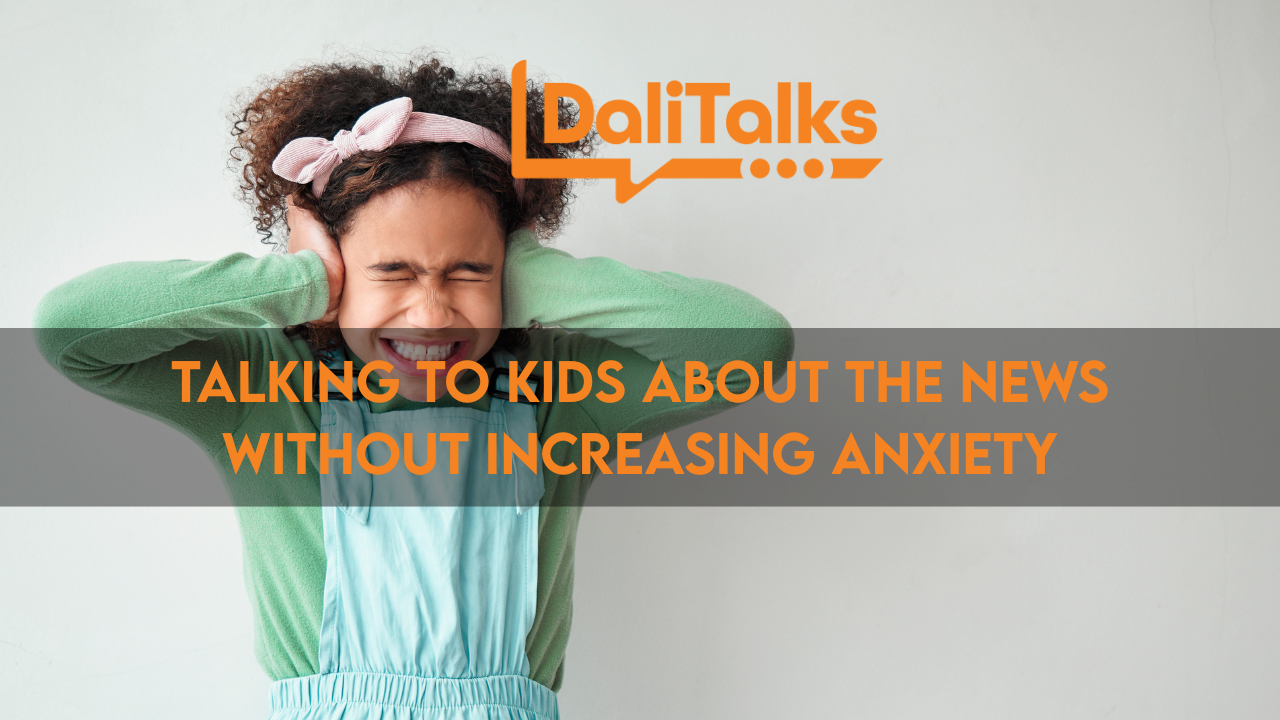
It’s been a heavy week, hasn’t it?
The news can be overwhelming for all of us. Recent events like the tragic shootings in Uvalde, Texas highlight how heavy the headlines can feel. Parents often feel the urge to protect their children by shielding them from the news. While this instinct comes from love, it’s important to remember: children are already aware of what’s happening, often through social media or conversations with peers.
Even when kids seem calm, they may carry fears and confusion. Checking in with them regularly helps ensure they feel safe, heard, and supported.
Why Talking About World Problems Matters
Children are naturally curious about the world. Ignoring difficult topics does not make them safer, it can lead to misinformation, heightened anxiety, and feelings of isolation.
When parents and guardians talk openly, they provide:
- Clarity – helping children separate fact from rumor
- Reassurance – showing that adults are actively thinking about safety
- Empowerment – ...
