
3 Ways to Practice Forgiveness and Let Go of Emotional Pain
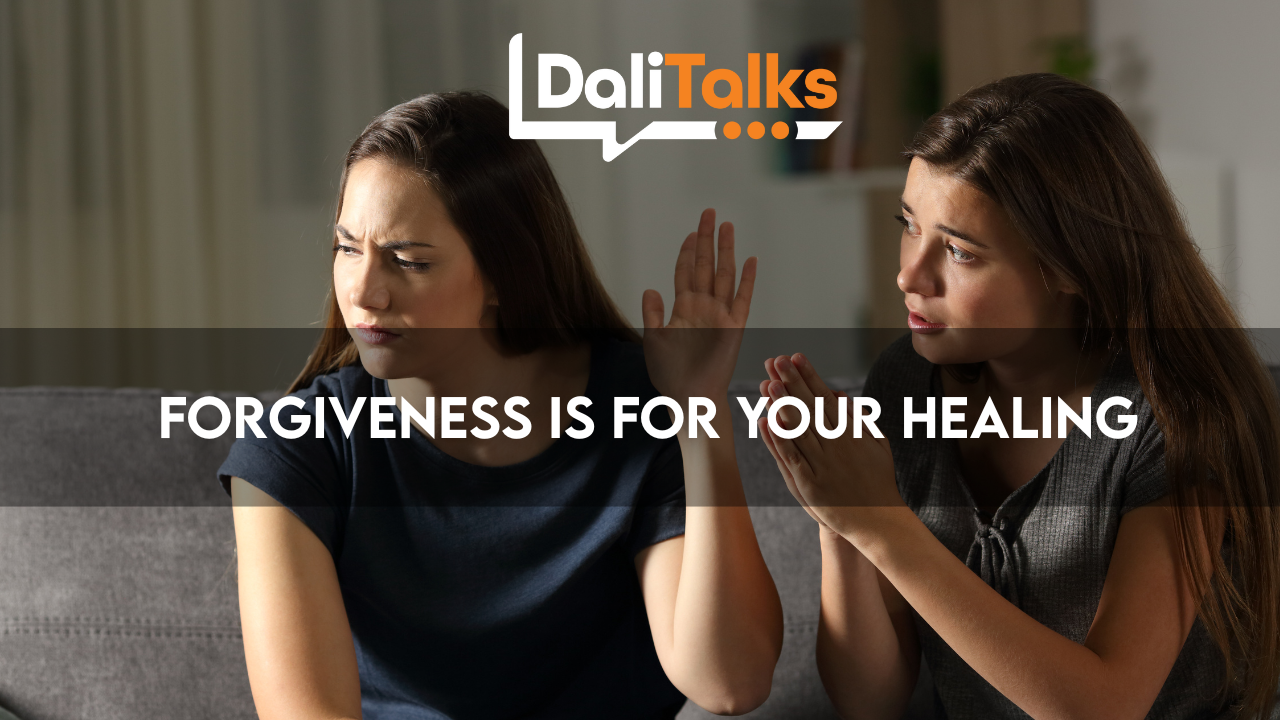
If you are carrying pain caused by someone you cannot bring yourself to forgive, this is for you.
I recently found myself reflecting deeply on forgiveness while reading You Are a Badass by Jen Sincero. Her words stirred memories of my own struggles with forgiving people who had hurt me in ways that changed how I moved through the world.
I do not believe there is a single person who has lived without experiencing emotional pain. The impact of that pain varies, but some wounds run so deep that they shape how we trust, how we love, and how we protect ourselves.
For me, betrayal created walls. I would trust people only partway, maybe 80 or 90 percent, but never fully. At the time, I told myself I was being cautious. In reality, I was afraid.
What Forgiveness Is Not
Many people resist forgiveness because it is misunderstood.
Forgiveness does not mean:
- Saying what happened was acceptable
- Allowing someone back into your life
- Giving permission for the behavior to continue
- Forgetting the harm that was done
Forgiveness is not about the other person.
It is about freeing yourself.
When you forgive, you are allowed to set boundaries. Strong ones. Forgiveness and boundaries can exist at the same time.
You also do not have to tell the person you are forgiving them. What matters is that forgiveness is sincere within you.
Holding On Hurts More Than Letting Go
Sometimes people believe that withholding forgiveness is a form of punishment. But if your heart is filled with vindictiveness, resentment, or a need for validation, the pain remains.
Not forgiving often hurts the person carrying the pain far more than the person who caused it.
Sincero shares several ways to move toward forgiveness. I wish I had learned these tools earlier, when I was deep in my own pain. I may have saved myself years of emotional weight.
Below are three approaches that feel realistic and achievable.
1. Find Compassion Without Excusing Harm
One suggestion is to imagine the person who hurt you as a child who was once hurt themselves.
This does not excuse their behavior.
It does not justify what they did.
It simply humanizes them.
Seeing someone as flawed rather than evil can soften the grip of anger enough to allow healing to begin.
2. Remove the Person From the Story
Sincero shares an analogy that resonates deeply.
Imagine you are in a boat and another boat crashes into you. You would likely be angry at the person who caused it. But if you later realized no one was actually inside the boat, your anger would have nowhere to land.
By removing the person from the emotional equation, you can sometimes release the need to assign blame and begin letting go of the pain.
3. Choose Peace Over Being Right
This is often the hardest step.
Sometimes we hold on because we want validation. We want acknowledgment. We want the other person to fully understand the depth of our pain.
But happiness and peace often require choosing release over righteousness.
Everything we do is a choice, including how long we hold on to pain.
Teaching Forgiveness to Children
While this conversation often centers on adult pain, it is important to remember that children experience hurt too.
They may be hurt by friends, classmates, or even bullies.
Teaching children how to forgive does not mean teaching them to tolerate harm. It means teaching them how to release pain without carrying it into their future.
Forgiveness is a powerful social emotional learning skill. When children see adults model empathy, boundaries, and emotional regulation, they learn how to navigate conflict with resilience.
Forgiveness Is Freedom
To forgive is to unlock the shackles from your soul.
Unforgiveness weighs heavily, even when we pretend it does not. The work is not easy, but it is worth it.
When you practice forgiveness, you are not just healing yourself. You are teaching those around you, especially your children, how to navigate pain with strength, empathy, and growth.
If you want to explore this topic more deeply, tune in to this week’s podcast episode where I share tools to help you move toward forgiveness in a healthy and empowering way.
