
The Lie Kids Are Taught About Snitching
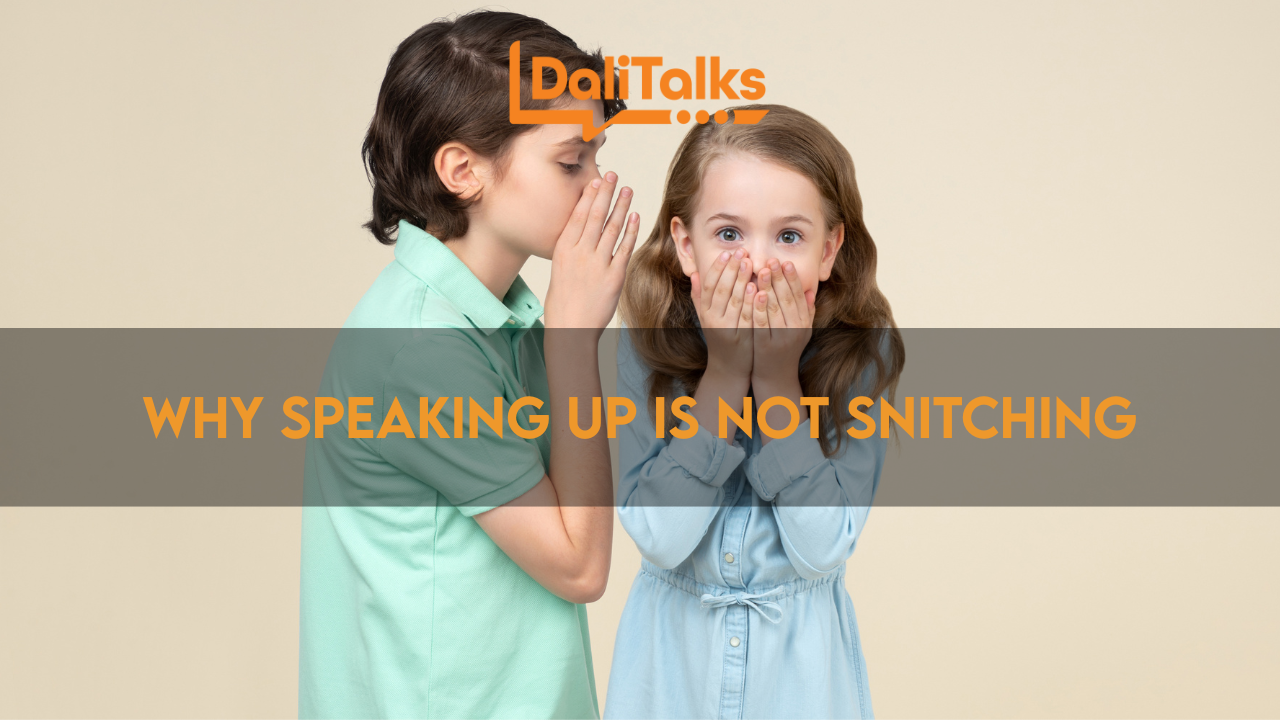
Why the Phrase “Snitches Get Stitches” Is So Dangerous
Most of us have heard the phrase “snitches get stitches.” It is often said casually, joked about, or passed down as a rule of loyalty.
But pause for a moment and really think about what that phrase teaches children.
It teaches silence over safety. Fear over responsibility. Compliance over compassion.
What many people fail to understand is that reporting harm is not snitching. When someone speaks up to protect themselves or others, they are seeking safety, not punishment.
The Reality of Bystanders and Bullying
Research consistently shows that bystander intervention is far less common than it should be. Many students witness bullying, harassment, or harmful behavior and choose not to report it or intervene.
Schools and organizations work hard to encourage students to speak up, yet the fear of being labeled a “snitch” often outweighs the desire to do what is right.
This culture of silence does not exist by accident. It is reinforced every time adults dismiss bullying as harmless, every time peers stay quiet, and every time safety is confused with betrayal.
Why Fear Keeps Kids Silent
The fear of reporting is real.
Many children worry that speaking up will make them the next target. Others fear losing friendships or being excluded. Some believe that loyalty means protecting people even when they cause harm.
This belief is not limited to schools. Movies, media, and real life events often portray reporting wrongdoing as a violation of community loyalty.
Research shared through The Journalist’s Resource highlights that youth and marginalized communities are less likely to report harm due to a lack of trust in authority figures and fear of unfair consequences. When young people believe that speaking up will not protect them, silence feels safer.
How Small Acts of Injustice Grow Into Bigger Harm
Violence does not begin suddenly. It is built over time through small acts of injustice that go unchecked.
Bullying is often the foundation.
When bullying is ignored because it seems minor, a dangerous message is sent. The message is that harm is acceptable. The message is that silence equals approval.
But when communities respond quickly, kindly, and consistently to bullying, a different standard is set. One that says harmful behavior will not be tolerated and safety matters.
Why Peer Influence Is So Powerful
One of the most powerful forces in shaping behavior is peer response.
Parents and educators know this well. A child may ignore adult correction, but the moment a peer rejects a behavior, change happens.
When peers speak up against bullying, even in simple ways, the behavior often stops. When peers stay silent, bullying gains power.
Teaching children how to safely speak up and support others turns bystanders into upstanders.
The Solution: Normalize Speaking Up as an Act of Care
The goal is not punishment. The goal is protection, accountability, and growth.
We must teach children that:
- Speaking up is not snitching
- Reporting harm is an act of courage
- Protecting others is a form of leadership
- Silence allows harm to continue
When families, schools, and communities adopt the habit of addressing harmful behavior early and consistently, they create safer environments for everyone.
If we want to raise confident, bully proof kids, we must challenge the culture of silence.
👉 Schedule a consultation if your child or school is struggling with bullying or fear of reporting
When we teach children that safety is everyone’s responsibility, we change the culture for good.
