
Understanding the Different Types of Cyberbullying
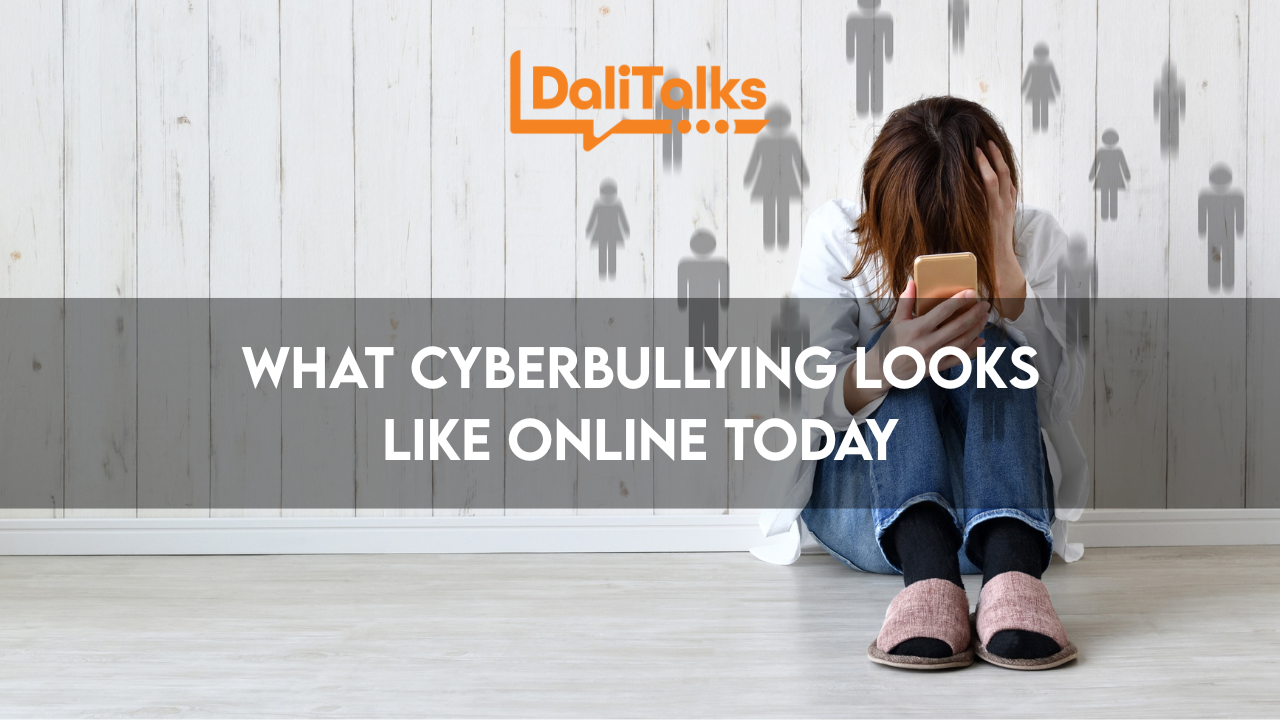
How much do you really know about cyberbullying?
The term “cyberbullying” first appeared in 1998 and refers to bullying that takes place online through digital platforms. In simple terms, cyberbullying is bullying that follows someone wherever they go, through phones, tablets, computers, and social media.
Unlike playground bullying, cyberbullying leaves digital footprints. Old posts, comments, and messages can resurface years later, which is why you may hear about celebrities or public figures being held accountable for harmful content shared early in the internet age.
As technology has evolved, cyberbullying has increased. Unfortunately, laws and protections have struggled to keep up.
The Issue: Why Cyberbullying Is Especially Dangerous
Cyberbullying is not just online teasing. It is repeated behavior intended to shame, humiliate, threaten, or emotionally harm someone.
It is complex, constantly evolving, and often difficult to regulate or define legally. In the United States and many other countries, there is still no single federal definition of cyberbullying.
What makes cyberbullying especially harmful is that it can be:
- Anonymous
- Persistent
- Public
- Permanent
- Easy to overlook
- Emotionally traumatizing
- Damaging to a person’s reputation and sense of safety
For children and teens, this can feel inescapable.
What the Data Tells Us
Here are a few important facts every parent, guardian, and educator should know:
- Over 20 percent of students report experiencing some form of bullying
- Youth who identify as LGBTQ are significantly more likely to experience cyberbullying
- Children who are bullied are at increased risk for anxiety, depression, academic struggles, and school avoidance
- Those who bully others are more likely to experience substance abuse and violent behavior later in life
Cyberbullying impacts everyone involved, not just the target.
The Different Types of Cyberbullying
Cyberbullying can take many forms, including:
- Harassment
- Cyberstalking
- Exclusion
- Outing private information
- Masquerading or impersonation
- Frapping
- Fake profiles
- Dissing
- Trickery
- Trolling
- Catfishing
These behaviors often overlap and can escalate quickly if not addressed.
The Solution: Stay Curious, Not Confrontational
One of the most important things parents can do is stay informed and connected.
Do not underestimate the impact of what happens online. Ask your child:
- Who they are interacting with
- What platforms they use most
- How they feel after being online
- Whether they have ever experienced hurtful messages or behavior
Create space for honest conversations without fear of punishment or dismissal.
When children feel safe talking to adults, they are more likely to ask for help early.
How #DABA and DaliTalks LLC Can Support You
The Diversity & Anti-Bullying Academy (#DABA) and DaliTalks LLC offer trusted resources to help families and schools navigate cyberbullying and online safety:
- Online courses on bullying awareness, prevention, and confidence building
- Live online workshops for parents, educators, and caregivers
- Parent book guide: Confident, Bully-Proof Kids
Available on Amazon: https://www.amazon.com/dp/B0CGKVFW8V - Your Guide to Bullying Prevention 101
Available at https://www.dalitalks.com/store - One-on-one parent consultation sessions
- Consultations with school administrators to strengthen prevention programs
- Keynote speaking by Dali Rivera, founder of DaliTalks LLC and creator of #DABA
- Parent and guardian coaching services
- Personal development programs for organizations serving families and children
Cyberbullying thrives in silence and confusion.
If you want support navigating online safety, understanding monitoring tools, or advocating for your child, schedule a consultation with DaliTalks LLC today.
